
Why is Eyelid Hygiene Important?

Why is Eyelid Hygiene Important?

Why is Eyelid Hygiene Important?

Why is Eyelid Hygiene Important?

Why is Eyelid Hygiene Important?

Why is Eyelid Hygiene Important?

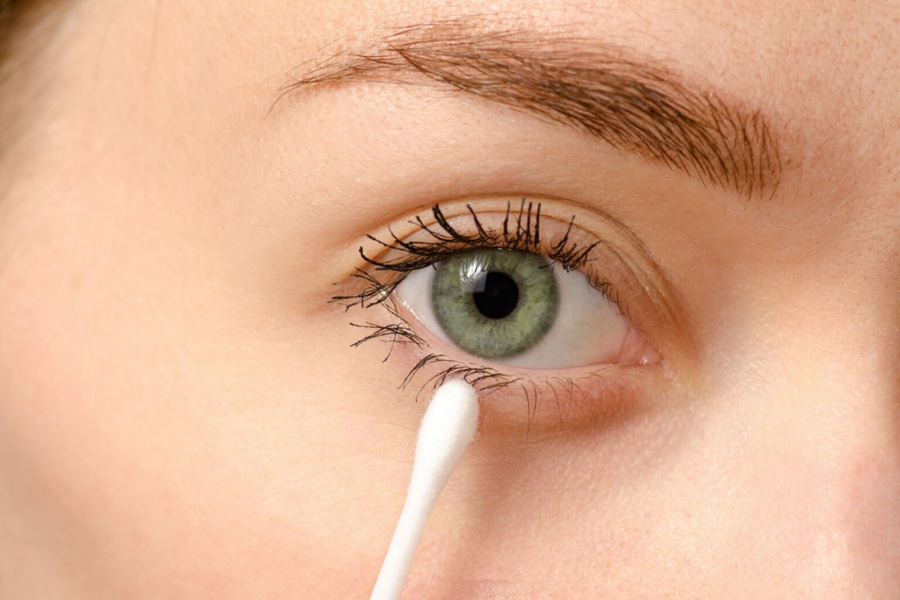
What Is Eyelid Hygiene and Why It Matters
Eyelid hygiene refers to the regular cleaning and care of your eyelids to maintain the health of your eyes and the delicate skin around them. Just like brushing your teeth or washing your face, eyelid hygiene is an essential part of personal care that is often overlooked. While you may not think much about it, your eyelids play a vital role in protecting your eyes from dirt, debris, and infection.
The skin on your eyelids is some of the thinnest on your body, making it prone to irritation and buildup. Additionally, tiny oil glands called meibomian glands are located along the edge of your eyelids. These glands produce oils that form a protective layer over the surface of your eyes, preventing dryness and discomfort. Without proper hygiene, these glands can become clogged with debris or bacteria, leading to potential eye health issues.
Why Eyelid Hygiene Matters
Prevention of Eye Infections: The eyelids can harbor bacteria, oil buildup, or even small mites like Demodex that thrive in unclean areas. Regular cleaning reduces this risk.
Support for Tear Production: Clean lids help ensure that meibomian glands function properly to produce healthy tears for eye comfort.
Comfort for Contact Lens Wearers: Individuals who wear contact lenses can be more prone to irritation if their lids aren’t clean since particles or bacteria may transfer easily to the lenses.
Reduction in Eye Irritation: Dust and allergens can settle on the lashes or lid margins; cleansing minimizes these irritants' impact on sensitive eyes.
Neglecting Lid Hygiene Can Lead To:
Clogged oil glands resulting in dry eye symptoms such as itchiness or a burning sensation.
Irritated eyelids which can cause redness or swelling.
Chronic conditions like blepharitis (inflammation of the eyelids) that require long-term management.
Eyelid hygiene becomes especially critical for individuals with certain conditions like blepharitis or chronic dry eye syndrome. However, even if you don't currently experience any major symptoms, taking proactive steps toward maintaining clean lids can help you avoid future complications while keeping both your eyes and skin healthy.
By prioritizing regular attention to this often-neglected area during daily routines such as skincare regimens or bedtime rituals, you’ll ensure better long-term overall eye health while providing relief from minor irritations caused by pollution/screen strain etc .
How Poor Eyelid Hygiene Affects Eye Health
Eyelid hygiene plays a critical role in maintaining not just the health of your eyelids, but also your overall eye function. Neglecting this aspect can lead to a range of eye-related issues, some of which might require medical attention if left unaddressed. Here’s an overview of how poor eyelid hygiene can directly impact your eye health.
Accumulation of Debris and Bacteria
Throughout the day, oils produced by the glands in your eyelids mix with environmental debris such as dust, pollen, makeup residue, and dead skin cells.
- This buildup creates an environment where bacteria and other microorganisms thrive.
- Over time, bacterial colonies can lead to infections or inflammation.
Without proper care, these conditions worsen and may even compromise vision by damaging the delicate structures of your eyes.
Inflammation and Irritation
Dirty or unclean eyelids can cause chronic irritation or inflammation known as blepharitis.
- Redness along the lash line
- Swelling around the eyelid area
- Burning sensations or excessive tearing
Left untreated, blepharitis may affect tear production and contribute to conditions like dry eye syndrome—a chronic issue causing discomfort and blurry vision.
Clogged Meibomian Glands
The meibomian glands located along the edges of your eyelids are responsible for producing oils that help stabilize tear films on the surface of your eyes. Poor hygiene can result in clogged glands due to accumulated debris or hardened oils.
- Dry eye symptoms from insufficient lubrication
- Styes (painful lumps caused by blocked or infected glands)
Long-term neglect could cause permanent gland dysfunction.
Risk of Infections
Unclean lids that harbor bacteria increase susceptibility to infections such as:
- Conjunctivitis (pink eye), which spreads easily if proper hygiene isn't practiced
- Hordeolum (stye), a painful bump resulting from infected sebaceous glands
These infections not only cause discomfort but may require antibiotics or other treatments if they persist.
Impact on Contact Lens Wearers
Poor eyelid hygiene is especially problematic for those who wear contact lenses since dirty lids transfer debris directly onto lenses.
- Corneal ulcers caused by bacterial contamination
- Discomfort while wearing contacts due to improper tear film balance
Practicing good lid care minimizes these risks significantly.
By understanding how poor eyelid hygiene affects various aspects of eye health—from bacterial buildup to gland function—you can prioritize taking steps toward proper maintenance practices. Neglecting this essential routine doesn't just cause temporary discomfort; it could lead to long-term complications that are difficult—and costly—to treat later on.
Common Conditions Linked to Dirty Eyelids (Blepharitis, Dry Eye)
Poor eyelid hygiene can lead to a variety of eye-related conditions that not only cause discomfort but can also escalate into more serious health issues if left untreated. Among these, blepharitis and dry eye syndrome are some of the most common concerns. Understanding these conditions and their connection to improper eyelid care gives insight into why maintaining regular hygiene is critical.
Blepharitis: The Inflammation of the Eyelids
Blepharitis occurs when bacteria, dead skin cells, and oils accumulate along the edge of the eyelids, leading to inflammation. It’s one of the main conditions directly linked to poor eyelid cleanliness.
- Symptoms: Redness, swelling, crusting at the lash line, irritation, and sometimes a burning sensation in the eyes.
- Causes: Build-up of debris on eyelids or lashes provides an environment for bacterial overgrowth. This is often exacerbated by makeup residue or infrequent cleaning routines.
- Complications: Without treatment, blepharitis can contribute to styes (painful bumps on the eyelid), chalazions (cyst-like lumps), or even issues with proper tear production.
Managing Blepharitis
Regularly clean your eyelids using gentle cleansing solutions recommended for eyelid care.
Avoid harsh scrubbing as it may aggravate already sensitive skin.
Consult with an ophthalmologist if symptoms persist for tailored treatment options.
Dry Eye Syndrome: A Common Partner to Poor Hygiene
Dry eye syndrome is another condition that may emerge when debris or oily residues clog glands along the eyelids (Meibomian glands), disrupting normal tear production. Proper lid hygiene helps prevent this buildup from interfering with gland function.
Symptoms: Stinging sensations, sensitivity to light, blurred vision, dryness in both eyes.
Connection to Hygiene: Blocked glands due to neglect in cleaning can alter the composition of your tears—leading to quicker evaporation and insufficient lubrication for your eyes.
Impact on Daily Life: Chronic dry eyes can make it difficult to focus during reading or working on digital devices while increasing overall discomfort throughout the day.
How To Address Dry Eye Syndrome
Incorporate warm compresses into your nightly routine; they help unblock Meibomian glands.
Use artificial tears as recommended by a healthcare professional.
Pay attention not just to cleaning but also ensuring you hydrate adequately throughout the day.
Other Related Conditions Tied To Dirty Eyelids
Beyond blepharitis and dry eye syndrome, dirty lids can have far-reaching impacts on your ocular health. For instance: 1.Styes and Chalazions: These occur when bacteria infect hair follicles or oil glands at the lash line due to accumulated dirt. 2.Conjunctivitis (Pink Eye): Dirty hands transferring germs while rubbing unclean lids can lead to infection in this highly contagious condition. 3.Demodex Infestation: Microscopic mites naturally residing on human skin thrive in poorly maintained lashes or brows—causing itching and irritation if unchecked.
Why Prevention Matters
Once these conditions develop, they often require consistent management rather than quick fixes—and in many cases may never fully resolve without diligent care. However: - Implementing simple daily practices like proper cleansing prevents bacterial build-up. - Early intervention reduces complications such as chronic discomfort or impaired vision associated with these conditions.
Regularly taking care of your lids protects not only their immediate health but also safeguards long-term ocular wellness by minimizing risks tied directly back dirty lids’ impact.
Benefits of Maintaining Proper Eyelid Hygiene
Maintaining proper eyelid hygiene is essential for overall eye health and offers numerous benefits that go beyond just cleanliness. The sensitive nature of your eyes and surrounding areas, particularly the eyelids, requires consistent care to promote both comfort and visual health.
Prevents Eye Infections
Reduces bacterial buildup: Your eyelashes and eyelids can harbor bacteria, oil, and debris that accumulate over time. Without proper cleaning, this environment can foster infections like styes or conjunctivitis.
Minimizes contamination risks: Regularly cleaning your lids decreases the chances of transferring harmful microorganisms from your hands or environment to your eyes.
Alleviates Symptoms of Dry Eye
Unclogs Meibomian glands: These tiny glands along the edge of the eyelids produce an oily layer essential for a healthy tear film. Blocked glands can lead to dry eye symptoms such as irritation, redness, and burning sensations.
Improves tear quality: Proper lid care ensures that oil secretions flow freely into your tears, enhancing moisture retention on the eye surface.
Reduces Inflammation
Controls blepharitis: This common condition causes inflammation along the lash line due to bacteria and debris buildup. Cleaning your eyelids regularly prevents flare-ups by keeping this area clean.
Prevents swelling: Consistent care reduces puffiness or redness caused by dirt or allergens trapped on the skin near your eyes.
Enhances Comfort for Contact Lens Wearers
If you wear contact lenses, maintaining clean eyelids is critical to avoid irritation while wearing lenses. Debris on unclean lids can easily transfer to lenses during insertion or removal, causing discomfort and increasing infection risk.
Promotes Healthy-Looking Eyes
A well-maintained lid area not only reduces medical concerns but also supports cosmetic benefits: - Fresher appearance with less puffiness. - Fewer visible flakes or crusting around lash lines. - Healthier-looking lashes supported by clean follicles.
Long-Term Advantages
Practicing regular eyelid hygiene helps preserve vision quality over time. Keeping inflammation under control mitigates risks associated with conditions like chronic blepharitis or dry eye disease that could otherwise worsen without appropriate care. Additionally: - It minimizes reliance on medications for recurring bacterial issues. - It supports better responses to treatments like artificial tears or prescription therapies by removing barriers such as residue buildup.
Investing in daily eyelid hygiene may not seem urgent at first glance but has profound impacts on overall ocular health in both the short-term and long-term horizons. Taking proactive steps today prevents complications tomorrow—making it a vital element of personal healthcare routines aimed at protecting one’s eyesight for years ahead.
Step-by-Step Guide to Cleaning Your Eyelids
Maintaining clean eyelids is a key component of overall eye health, and the process doesn't need to be complicated. By incorporating a proper cleaning routine into your daily habits, you can prevent discomfort, reduce the risk of infections, and alleviate symptoms associated with various eye conditions such as blepharitis or dry eye. Below is a step-by-step guide on how to safely and effectively clean your eyelids.
Step 1: Wash Your Hands Thoroughly
Before touching your eyes, it’s essential to wash your hands using soap and warm water. This minimizes the transfer of dirt, bacteria, or other harmful particles from your fingers to your sensitive eyelid area.
Step 2: Gather the Right Tools
For safe and effective eyelid cleaning, use tools specifically designed for the delicate skin around your eyes.
- Sterile wipes: Pre-moistened eyelid wipes available in medical stores. These are gentle and often infused with soothing ingredients like tea tree oil or chamomile.
- Lid scrubs: Over-the-counter solutions that can be applied using a cotton pad or swab. These are effective at removing debris or oils that accumulate along the lash line.
- Warm compresses: A clean washcloth soaked in warm water helps loosen debris and soften oil buildup on your lids.
Step 3: Apply a Warm Compress
Place a warm (not hot) compress over closed eyes for about 5–10 minutes. This helps to soften any crusts or secretions that might have formed at the base of your eyelashes while also improving oil flow from the meibomian glands in your eyelids.
Step 4: Use an Eyelid Wipe or Lid Scrub Solution
Close one eye gently without squeezing too tightly.
Use the wipe or cotton swab dipped in lid scrub solution to carefully clean along the base of both upper and lower eyelashes.
Sweep outward in smooth motions, ensuring you remove any visible debris such as makeup residue, dead skin cells, or oil buildup.
Avoid pressing too hard on this delicate area.
Repeat this process for both eyes, ensuring you use separate tools (or sides of a wipe) for each eye to prevent cross-contamination.
Step 5: Rinse (If Needed)
If instructed by an ophthalmologist or if you’re using a non-leave-on product like diluted baby shampoo for cleansing, gently rinse the area with lukewarm water after cleaning.
Step 6: Dry Your Eyelids Gently
Pat your eyelids dry with a soft towel. Avoid rubbing harshly as this can irritate the sensitive skin around your eyes.
Tips for Effective Eyelid Cleaning
To maximize results from your cleaning routine: - Avoid using harsh soaps, facial cleansers, or alcohol-based products near your eyes as they can cause irritation. - If you wear makeup regularly: - Remove it thoroughly before bed using hypoallergenic removers. - Replace mascara every three months to minimize bacterial contamination. - For those with blepharitis or chronic dry eye syndrome: - Consult an ophthalmologist about prescription-strength lid scrubs specifically designed for managing these conditions.
By following these steps consistently—whether daily or as recommended—you can maintain healthy lids free from irritation while reducing risks posed by improper hygiene practices.
Tips to Keep Your Eyes Healthy Daily
Maintaining healthy eyes goes beyond occasional care. Daily habits and lifestyle choices play a significant role in ensuring your eyes remain in optimal condition.
Prioritize a Balanced Diet
What you eat directly impacts your eye health.
- Include foods rich in omega-3 fatty acids, like salmon, walnuts, and flaxseeds.
- Consume leafy green vegetables, such as spinach and kale, which are high in lutein and zeaxanthin—nutrients that protect the retina.
- Add foods high in vitamin C (citrus fruits) and vitamin E (nuts and seeds) to support overall eye health.
- Incorporate carrots or sweet potatoes for their beta-carotene content, which supports night vision.
Practice the 20-20-20 Rule
Prolonged screen time can strain your eyes, leading to discomfort or digital eye strain (also called computer vision syndrome).
This gives your eyes a much-needed break from focusing on screens.
Stay Hydrated
Dehydration can lead to dry or irritated eyes. Drink at least 8 glasses of water per day to stay hydrated and maintain sufficient tear production.
Protect Your Eyes Outdoors
Exposure to harmful UV rays can increase the risk of cataracts or other long-term eye issues.
- Wear sunglasses that provide 100% UV protection. Look for labels stating they block both UVA and UVB rays. - Use wide-brimmed hats for extra shade when spending extended periods outdoors.
Keep Hands Clean Before Touching Your Eyes
Your hands come into contact with countless germs throughout the day. Touching your eyes without washing can transfer bacteria or viruses, leading to infections like conjunctivitis. Always wash your hands thoroughly before rubbing your eyes or handling contact lenses.
Maintain Proper Eyelid Hygiene Daily
Eyelid hygiene is equally important as other aspects of general eye care:
1. Gently clean your eyelids with a warm compress or recommended eyelid cleanser if you notice buildup along the lash line. 2. Regularly remove makeup before bedtime. 3. Use hypoallergenic makeup products to avoid irritation.
Limit Screen Time Where Possible
While technology is unavoidable, minimize unnecessary screen exposure by:
- Setting screen time breaks throughout work hours. - Adjusting screen settings (brightness filters) that reduce blue light exposure. - Using artificial tears if prolonged screen use causes dryness.
Get Regular Eye Exams
Eye exams are vital even if you don’t experience noticeable problems with your vision:
- Adults should have their eyes checked every 1–2 years depending on age and existing conditions. - A professional exam can detect subtle changes early on, such as signs of glaucoma or diabetic retinopathy.
Integrating these habits into your daily routine helps ensure long-term eye health while minimizing risks associated with common stressors like dirt buildup, digital screens, poor nutrition, or lack of UV protection—all factors that could compromise visual clarity over time.
Tips to Keep Your Eyes Healthy Daily
Caring for your eyes is a critical aspect of overall health and well-being, yet it’s easy to overlook. Incorporating daily practices into your routine can help you maintain optimal eye health and reduce the risk of discomfort or long-term issues.
Prioritize Proper Eyelid Hygiene
Gently clean your eyelids using warm water and a clean washcloth, or use a specially-formulated eyelid cleanser.
Avoid harsh soaps, as these can irritate delicate skin around the eyes.
Remove all makeup thoroughly before bedtime to prevent buildup on your lash line.
Digital screens are part of modern life, but prolonged exposure can strain your eyes.
Stay Hydrated and Eat Nutrient-Rich Foods
Hydration plays a vital role in tear production and maintaining moisture in your eyes:
- Drink plenty of water throughout the day to prevent dryness. - Incorporate foods rich in omega-3 fatty acids, like salmon or walnuts, to support eye lubrication. - Add leafy greens (spinach, kale) and colorful fruits (oranges, carrots) to promote overall eye health with antioxidants like lutein and zeaxanthin.
Wear Sunglasses with UV Protection
The sun’s ultraviolet rays can harm your eyes over time:
- Choose sunglasses that block 100% UVA and UVB rays. - Consider wearing wraparound styles for additional protection against peripheral sunlight.
Pay Attention to Contact Lens Care
Improper contact lens use can lead to infections or discomfort:
- Wash hands thoroughly before handling lenses. - Use fresh cleaning solutions daily—never reuse old solutions. - Avoid sleeping in contacts unless approved by your optometrist.
Create an Eye-Friendly Workspace
For those spending long hours at a desk or computer: - Adjust screen brightness to match room lighting. - Position monitors so they’re about an arm’s length away from your face, with the top of the screen at or below eye level. - Use anti-glare screens if needed.
Don’t Ignore Warning Signs
Promptly address any signs of discomfort or changes in vision: - Redness, irritation, persistent dryness, or blurred vision should not be ignored. Visit an eye care professional if you notice symptoms persisting beyond what seems normal.
By adopting these habits as part of your daily routine, you can significantly improve not only the comfort but also the longevity of your eye health while preventing common issues such as dryness or irritation from becoming more severe concerns over time.


© 2026 Memorial Vision - All Rights Reserved - Privacy Policy - Accessibility Statement
Powered by
