
What You Should and Shouldn’t Do After Your Cataract Surgery

What You Should and Shouldn’t Do After Your Cataract Surgery

What You Should and Shouldn’t Do After Your Cataract Surgery

What You Should and Shouldn’t Do After Your Cataract Surgery

What You Should and Shouldn’t Do After Your Cataract Surgery

What You Should and Shouldn’t Do After Your Cataract Surgery

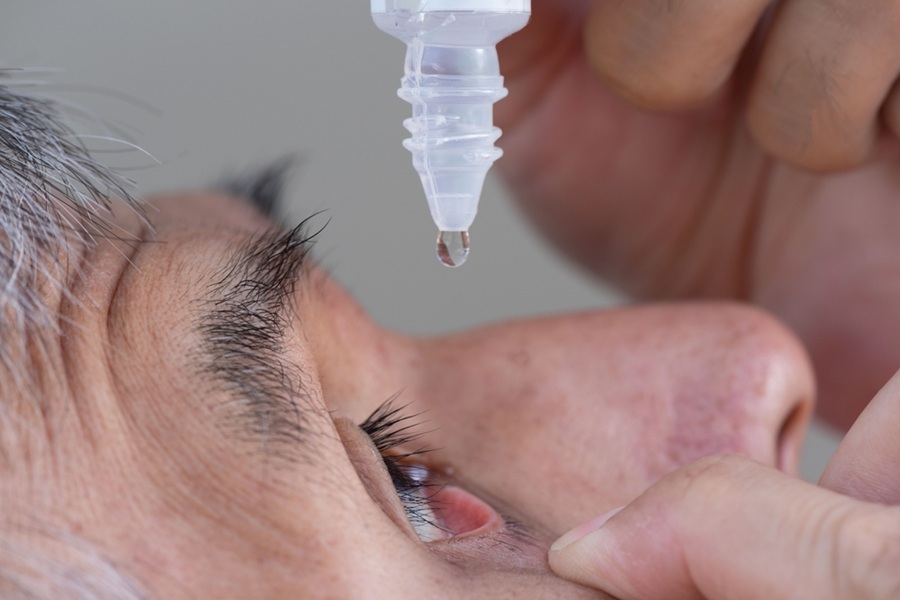
Understanding the Cataract Surgery Recovery Process
Cataract surgery is a common and highly effective procedure that restores vision by replacing the clouded lens in your eye with an artificial one. While the surgery itself is straightforward and typically lasts less than an hour, the recovery process is equally important for achieving optimal results. Understanding what happens during this period can help you navigate it more confidently and avoid complications.
The recovery process generally begins immediately after surgery when you’re monitored for a short time before being allowed to go home. During this early stage, your eye may feel sensitive or itchy, and some mild discomfort such as light sensitivity or blurry vision is normal. These symptoms usually improve within a few days as your eye adjusts to its new lens and begins to heal.
Most patients can resume light daily activities within 24 hours of their procedure. However, full recovery can take several weeks, during which it’s crucial to follow specific guidelines from your surgeon. Simple precautions, such as using prescribed eye drops to prevent infection or reduce inflammation, play a significant role in ensuring proper healing.
Although cataract surgery boasts a very high success rate, complications like infection or swelling are possible if post-operative care instructions aren’t followed carefully. It’s vital to prioritize rest while avoiding any activities that could place unnecessary strain on your eyes during this critical time.
The timeline for recovery varies depending on individual factors, including age, overall health, and how closely post-op instructions are followed. While many people experience significant vision improvement within days or weeks of their procedure, others may notice incremental changes over several months.
Patience is key during this process. It’s normal for the full benefits of surgery—such as sharper vision and brighter colors—to become more noticeable gradually as healing continues. If at any point you experience severe pain, sudden vision loss, or signs of infection like redness or discharge from the eye, contact your doctor immediately.
By being mindful of both expected milestones and potential warning signs during this period, you can set yourself up for long-term success with improved eyesight tailored precisely for your needs.
Understanding the Cataract Surgery Recovery Process
The recovery phase allows your eyes to adjust to the removal of the cloudy lens and replacement with an artificial intraocular lens (IOL). Knowing what to anticipate both physically and emotionally after surgery can help you feel more prepared and reduce anxiety.
Immediately after your surgery, your eye may feel slightly sore, gritty, or sensitive. These sensations are normal as the eye begins to heal from the procedure. Vision improvements may be noticeable within a few hours, but full stabilization can take several weeks. During this period, you’ll need to follow specific guidelines provided by your surgeon to protect your eye and promote proper healing.
The first stage of recovery generally takes place within the first 24 to 48 hours following surgery. During this time, it’s common for patients to experience mild discomfort like dryness or itchiness in the treated eye. Your doctor may prescribe lubricating drops or anti-inflammatory medications to alleviate these symptoms and prevent complications such as swelling or infection. While these symptoms are normal, it’s important to report any severe pain or sudden changes in vision immediately, as these could indicate complications that require prompt intervention.
Your surgeon will likely schedule follow-up appointments throughout your recovery timeline. These check-ins are crucial for monitoring progress and ensuring that healing is proceeding as expected. During these visits, adjustments can also be made if necessary—for example, altering your medication regimen based on how well you’re responding.
It’s essential during this time to avoid putting any strain on your recovering eye. Rest is a critical component of this process; overexertion or engaging in certain activities too soon can slow healing or increase risks such as dislodging the IOL implant or causing irritation.
Understanding that every patient heals at their own pace is also vital. While some individuals regain clear vision quickly after their procedure, others might require additional time depending on factors like age, overall health condition, and the severity of their cataracts before surgery.
By keeping realistic expectations about what recovery entails and adhering closely to medical advice during this delicate period, you’re setting yourself up for long-term success with improved visual clarity and health outcomes following cataract surgery.
How to Protect Your Eyes During Recovery
Your eyes are particularly vulnerable during the recovery period, so taking precautions will help safeguard your vision and enhance your overall outcome. Here’s what you need to know about keeping your eyes safe while they heal.
Follow Your Doctor’s Recommendations
Your ophthalmologist will provide specific instructions tailored to your condition and surgery. This may include prescribed eye drops to prevent infection or reduce inflammation, as well as guidelines on how and when to use them. Always stick closely to these recommendations, as they form the foundation for a successful recovery. Missing doses or ignoring advice can put unnecessary strain on your healing eyes.
Wear Protective Eyewear
Wearing protective eyewear is essential, especially in environments where dust, wind, or bright light could irritate your eyes. Most surgeons recommend using a protective shield over your eye while sleeping for at least the first week following surgery. This helps you avoid rubbing or accidentally pressing on your eye during sleep, which could cause harm.
Sunglasses with UV protection are also recommended when venturing outdoors, even on cloudy days. Post-surgery eyes are highly sensitive to light, so shielding them from harmful ultraviolet rays will not only make you more comfortable but also protect against potential damage.
Avoid Rubbing or Pressing on Your Eye
If discomfort becomes bothersome, speak with your doctor about approved methods for relief.
Limit Exposure to Potential Irritants
During recovery, it’s important to avoid environments where irritants like smoke, strong odors, dust particles, or chemical fumes are present. These substances can aggravate sensitive eyes and potentially slow down healing. If exposure is unavoidable—for example, in work settings—make sure you wear safety goggles designed for added protection.
Similarly, avoid getting water directly into your eye while bathing or showering during the initial recovery phase. Splashing water can introduce bacteria and lead to infections. Your surgeon may advise avoiding activities like swimming until given clearance.
Practice Good Hygiene
Wash your hands thoroughly before applying any medications such as prescribed eye drops or ointments. Never touch the area near your eye with unwashed hands.
If wearing makeup is part of your routine, steer clear of applying any cosmetics around the operated eye until you're fully recovered—and replace old mascara or eyeliners that might harbor bacteria before using them again.
Stay Mindful of Physical Strain
Protective measures also extend beyond environmental factors—physical activity plays an important role too. Avoid heavy lifting and strenuous exercises during recovery since these actions can increase pressure in the eye and negatively impact healing progress.
Activities You Should Avoid After Surgery
After undergoing cataract surgery, your eyes are in a delicate state, and avoiding certain activities is essential to ensure a smooth recovery. Although the procedure is highly effective and relatively quick, adhering to your doctor’s post-operative instructions plays a significant role in preventing complications and promoting healing.
One of the first things to avoid is strenuous physical activity, including heavy lifting, bending from the waist, or engaging in high-impact exercises. These actions can increase pressure on the eye, which may disrupt the healing process or cause discomfort. Even everyday tasks like vacuuming and gardening should be postponed during the initial recovery period.
Steering clear of swimming pools, hot tubs, or any body of water is strongly recommended for at least a week after surgery. Water can harbor bacteria that might lead to infections if it comes into contact with your healing eye. Similarly, you should avoid getting water or soap directly into your eyes while showering or washing your face.
Driving is another activity that should be avoided until you receive clearance from your surgeon. Cataract surgery can temporarily affect depth perception and visual sharpness. Until you are certain that your vision has stabilized and meets driving standards, refrain from getting behind the wheel for safety reasons.
Rubbing or pressing on your eyes must also be completely avoided during recovery. Even though you may feel itchiness or mild discomfort as part of the healing process, touching your eye can interfere with recovery by introducing germs or disrupting surgical incisions.
Using makeup products around your eyes—such as mascara, eyeliner, and eyeshadow—should be paused during this time as well.
Lastly, exposure to dusty and polluted environments should be minimized whenever possible. Fine particles in such settings can irritate your eyes and potentially delay their recovery. If avoiding these environments isn’t feasible due to work-related commitments or other necessities, wearing protective eyewear can help shield them effectively.
By steering clear of these activities during the critical weeks following cataract surgery, you create an optimal environment for healing while reducing risks associated with complications like infection or strain on the eye. Always consult with your ophthalmologist if you're unsure about when it's safe to resume specific activities in order to prioritize both safety and long-term results.
How to Protect Your Eyes During Recovery
The steps you take to safeguard your vision during this period can significantly impact the healing process and help ensure long-term success. Since your eyes are in a more vulnerable state post-surgery, it’s essential to create an environment where they’re shielded from harm, irritants, and strain. Here’s how you can protect them effectively during this time.
Use Protective Eyewear
This is not just for comfort but serves as a physical barrier against accidental touching, rubbing, or exposure to harmful elements like dust or wind. You should wear this shield while sleeping for at least the first few nights after surgery, as it prevents unintentional pressure on your eye while you rest.
The operated eye may be more sensitive to light than usual, and prolonged exposure to sunlight can cause discomfort or even hinder healing. Sunglasses will not only reduce glare but also protect your eyes from harmful UV rays.
Avoid Touching or Rubbing Your Eyes
If dryness or irritation becomes bothersome, use prescribed lubricating eye drops instead of attempting self-soothing by hand.
For those concerned about accidentally rubbing their eyes while asleep or distracted, wearing an eye patch or shield throughout recovery can provide additional peace of mind.
Shield Against Environmental Hazards
Your immediate surroundings play a big role in protecting your eyes during recovery. Dusty environments should be avoided at all costs because particles in the air could enter your eye and increase irritation. Similarly, stay away from areas with strong winds as they might carry debris into your eyes.
Wearing glasses in such situations offers added protection while maintaining safety.
Limit Screen Time
Digital screens such as computers, TVs, and smartphones emit blue light that may strain recovering eyes if exposed for extended periods—especially during the initial days post-surgery when sensitivity levels are heightened. Minimize screen time whenever possible and practice regular breaks using techniques like looking away every 20 minutes to rest your vision.
Follow Doctor’s Instructions for Eye Drops
These drops often include antibiotics and anti-inflammatory medication designed specifically for post-operative care. Administer them precisely as directed by your ophthalmologist—both dosage and timing matter greatly when protecting newly operated eyes.
Using improper techniques while applying drops can compromise hygiene; wash hands thoroughly beforehand and avoid letting the bottle tip touch any surface near your eye.
Maintain Hygiene Around Your Eyes
Keeping the area around your eyes clean is another way to protect them during recovery without interfering with natural healing processes. Refrain from using makeup products like mascara or eyeliner until cleared by your doctor since they might introduce irritants into sensitive areas around surgical incisions.
Also avoid swimming in pools or hot tubs until fully healed because water sources may harbor bacteria that pose a significant risk of infection following surgery.
By carefully taking these steps over time—whether it’s shielding against environmental threats or adhering closely to prescribed care routines—you’ll help create optimal conditions for safe healing while protecting one of life’s most precious senses: sight.
How to Protect Your Eyes During Recovery
The eye is in a delicate state following the procedure, and providing proper protection will promote healing, prevent complications, and ensure optimal outcomes. Here are some essential ways to shield your eyes during this sensitive period.
Wear Protective Eyewear
These shields help prevent accidental rubbing or pressure on the eye during sleep and keep out dust or debris that could irritate the surgical site. It’s important to follow your surgeon’s guidelines on how long to use these protective devices.
Sunglasses are another key element of post-surgery care. Your eyes may be more sensitive to light during recovery, so wearing high-quality UV-protective sunglasses when outdoors reduces discomfort and shields your eyes from harmful ultraviolet rays.
Avoid Touching or Rubbing Your Eyes
Resisting the urge to touch or rub your eyes is paramount during recovery. If itchiness or dryness occurs—a common side effect—use lubricating eye drops recommended by your doctor instead of attempting to relieve discomfort manually.
Be Cautious Around Dusty or Polluted Environments
When at home, you should also avoid using strong household cleaners with harsh fumes that could irritate your eyes. Keep rooms well-ventilated but avoid sitting directly in front of fans or air conditioners that might blow particles toward your face.
Limit Screen Time
Prolonged use of digital screens can strain not only your recovering eye but also contribute to dryness and discomfort. During the initial recovery phase, limit screen time as much as possible and take frequent breaks if screen use cannot be avoided entirely. Using artificial tears can further alleviate any dryness caused by screen exposure.
Practice Good Hygiene
Adhering to strict hygiene practices minimizes the risk of introducing bacteria into the healing eye area. Always wash your hands thoroughly before applying prescribed eye drops or adjusting protective eyewear provided by your surgeon. In addition, make sure towels and pillowcases are clean since they come into contact with areas near your face.
Follow Your Doctor’s Instructions for Eye Drops
Prescribed medicated eye drops play a vital role in protecting against infection and reducing inflammation after surgery. Using them as directed ensures that your eye heals properly while reducing irritation risks from exposure to external elements.
By keeping these protective measures top-of-mind throughout the recovery process, you’ll give yourself every opportunity for a smooth transition back into everyday life with improved vision—while minimizing any risk of complications along the way.
Tips for a Smooth and Successful Recovery
While the surgery itself is often quick and minimally invasive, how you manage your recovery can significantly impact the success of the procedure. Following a few practical tips with diligence can help you enjoy clear vision more quickly and avoid complications.
Follow Post-Operative Instructions Closely
These guidelines are designed to promote healing, minimize discomfort, and reduce the risk of complications like infection or inflammation. Use prescribed eye drops as instructed since they play a crucial role in preventing infection and managing swelling. Do not skip doses or discontinue eye drops prematurely unless advised by your doctor.
Prioritize Rest
Allowing yourself sufficient rest during the first few days after surgery is vital. Avoid strenuous activities that could strain your eyes or increase intraocular pressure. Rest does not merely mean avoiding physical exertion—it includes giving your eyes a break from tasks like reading, using digital screens, or watching television for extended periods.
Maintain Excellent Hygiene Practices
Keeping your hands clean is essential every time you touch near your eyes, especially when administering eye drops or adjusting protective shields provided by your surgeon. Avoid rubbing or touching the operated eye unnecessarily to reduce the risk of introducing bacteria or irritants into the healing area.
Wear Protective Eyewear
Protective eyewear can shield your eyes from accidental bumps, dust, wind, and harsh light during recovery. Sunglasses with adequate UV protection are especially beneficial when going outdoors since sunlight can make sensitivity worse after surgery. If a protective shield was provided post-surgery, wear it while sleeping as directed to prevent unintentional injury to the eye during rest.
Keep Physical Activities Light
While light walking may be permitted soon after surgery, refrain from activities that involve heavy lifting, bending over excessively (which increases pressure on the eyes), or exposure to environments where dust or debris is present. Resuming exercise should be gradual; consult with your doctor before engaging in any high-impact activities.
Manage Screen Time Effectively
Limiting screen use is crucial as digital devices can strain recovering eyes due to prolonged focus and exposure to blue light. Take frequent breaks using techniques like the 20-20-20 rule: every 20 minutes, look at an object 20 feet away for at least 20 seconds.
Stay Hydrated and Eat Nutritious Foods
A balanced diet rich in vitamins A and C, omega-3 fatty acids, and antioxidants supports overall eye health during recovery. Ensure you drink plenty of water throughout the day to keep hydrated as this aids healing processes across all body tissues.
By following these strategies consistently throughout your recovery period—and seeking clarification from your healthcare provider if needed—you increase the likelihood of achieving excellent visual outcomes while minimizing potential setbacks along the way.


© 2026 Memorial Vision - All Rights Reserved - Privacy Policy - Accessibility Statement
Powered by
