
What Foods To Avoid If You Have Glaucoma

What Foods To Avoid If You Have Glaucoma

What Foods To Avoid If You Have Glaucoma

What Foods To Avoid If You Have Glaucoma

What Foods To Avoid If You Have Glaucoma

What Foods To Avoid If You Have Glaucoma

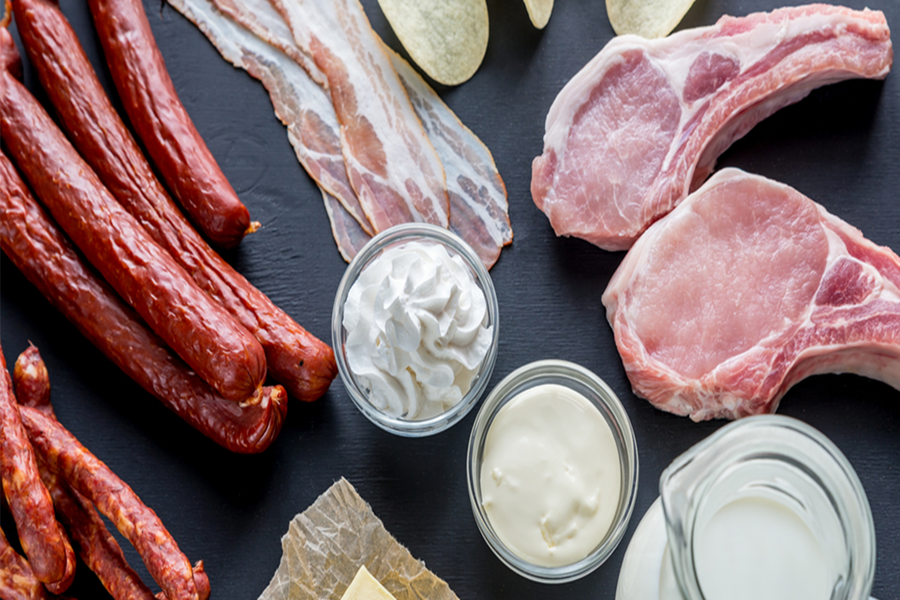
What Foods Should You Avoid If You Have Glaucoma
Diet plays an essential role in managing health, and if you have glaucoma, being mindful of what you eat may help in managing symptoms or reducing risk factors. While no diet can cure glaucoma, certain foods may negatively impact eye pressure or overall eye health, so it’s worth considering adjustments to your diet. Below is a general guide to foods that are best avoided or consumed in moderation.
Foods High in Sodium
Excess sodium can contribute to high blood pressure, which may indirectly affect intraocular pressure (IOP), a key factor in glaucoma management. Reducing sodium intake is especially important for individuals with a history of hypertension or cardiovascular concerns.
Examples of high-sodium foods:
- Processed and packaged snacks (e.g., chips, crackers)
- Canned soups and stews
- Fast foods
- Pickled or cured products such as sausages and deli meats
- Frozen ready-to-eat meals
Opt for low-sodium alternatives whenever possible by reading labels carefully. Cooking at home can also give you greater control over salt levels in your meals.
Sugary and Processed Foods
Highly processed foods or those loaded with refined sugars can lead to systemic inflammation and increased oxidative stress—both of which are linked to worsening overall health. Systemic inflammation might also play a role in the progression of glaucoma.
Examples include:
- Sodas and sugary beverages
- Candy, pastries, and desserts with added sugars
- Pre-packaged baked goods like muffins or cookies
To satisfy sweet cravings, consider fresh fruit as a healthier alternative.
Trans Fats and Unhealthy Oils
Trans fats found in fried items, baked goods, margarine, or processed snacks can negatively affect blood circulation. Reduced blood flow might impair the delivery of oxygen to the optic nerve—an area already vulnerable in individuals with glaucoma. Consider replacing trans fats with healthier options like olive oil or avocado oil.
Foods that commonly contain trans fats:
- Fried fast foods (e.g., French fries)
- Packaged microwave popcorn
- Commercially baked pies and pastries
Check ingredient lists for terms like "hydrogenated oils" when avoiding trans fats.
Caffeine-Rich Beverages
Caffeine consumption has been shown to potentially raise IOP temporarily. For people sensitive to its effects, monitoring caffeine intake could provide some benefit.
Common sources of caffeine:
- Coffee (especially strong brews)
- Energy drinks
- Certain teas (like black tea)
If you’re concerned about caffeine’s impact on your condition, consult your healthcare provider about an appropriate daily limit.
Alcohol
Excessive alcohol consumption may cause fluctuations in eye pressure levels over time. While moderate use may not pose significant harm for everyone, heavy drinking is generally discouraged for maintaining optimal well-being.
Adopting a mindful approach toward food choices is one way to support overall health when living with glaucoma. Small adjustments today could make a difference over time toward promoting long-term eye health.
What Foods Should You Avoid If You Have Glaucoma
Managing glaucoma involves more than just regular check-ups and treatments. Lifestyle choices, including diet, can play a role in supporting overall eye health. While no single food is directly tied to causing or curing glaucoma, some foods may negatively impact intraocular pressure (IOP) or eye health in general. Below is an overview of foods that are typically recommended to avoid or consume with caution for individuals with glaucoma.
Foods High in Sodium
Excess sodium can lead to fluid retention and increased blood pressure, which may indirectly affect intraocular pressure. It’s advised to limit the intake of:
- Processed foods such as canned soups and frozen meals
- Salty snacks like potato chips and pretzels
- Condiments with high sodium content (e.g., soy sauce, ketchup)
Tip: Check food labels when grocery shopping to ensure sodium levels are within a healthy range.
Caffeinated Beverages
Although moderate caffeine consumption is generally considered safe for most people, excessive caffeine intake has been shown in studies to temporarily increase ocular pressure. To protect your eye health:
- Limit coffee consumption to one or two cups per day
- Reduce intake of caffeinated teas and energy drinks
- Avoid consuming caffeine close to bedtime as it might interfere with sleep, which is important for overall wellness
Trans Fats and Saturated Fats
Unhealthy fats can contribute to poor blood circulation, potentially impacting optic nerve health over time. To reduce trans fats and saturated fats in your diet:
- Avoid fried fast foods like French fries and fried chicken
- Choose healthier cooking oils such as olive oil instead of margarine or shortening
- Minimize consumption of processed baked goods like pastries, cookies, and cakes
Sugary Foods and Beverages
High-sugar diets can lead to spikes in blood sugar levels, which may have downstream effects on vascular health, including the tiny blood vessels that support the eyes. Some items to avoid include:
- Regular sodas and sugary juices
- Candy bars and other high-sugar snacks
- Sweetened cereals
Consider Alternatives: Opt for naturally sweet options like fresh fruits instead.
Alcohol Consumption
Excessive alcohol use has been linked with dehydration and potential changes in blood circulation that could adversely affect the eyes. While moderate alcohol use might not have significant impacts for everyone with glaucoma, it’s prudent to:
- Limit alcoholic beverages during social gatherings
- Stay hydrated by drinking water alongside any alcohol you consume
Highly Processed Carbohydrates
Foods made from refined grains may result in sharp increases in blood sugar levels. Over time, this could affect circulation throughout the body—including the eyes. Examples include:
| Refined Carb Food | Healthier Alternative |
|-------------------|-----------------------|
| White bread | Whole grain bread |
| White rice | Brown rice |
| Regular pasta | Whole wheat pasta |
Adjusting your diet doesn’t need drastic changes all at once; small steps can build sustainable habits over time.
By focusing on balanced eating habits rich in nutrients that support eye health—such as leafy greens high in antioxidants—you create a foundation for maintaining overall well-being alongside ongoing management of glaucoma symptoms or treatment plans prescribed by healthcare professionals. Always consult your ophthalmologist before making major dietary changes if you have concerns about how certain foods interact with your condition.
What Foods Should You Avoid If You Have Glaucoma
Glaucoma is a condition that affects the optic nerve and can lead to vision loss if not managed effectively. While treatment often involves medication or surgery, diet can play a supplementary role in managing symptoms. Certain foods may contribute to oxidative stress, inflammation, or increased intraocular pressure (IOP), all of which are factors to consider for glaucoma patients. Avoiding these foods may help support overall eye health and potentially complement other treatments.
Foods High in Trans Fats
Trans fats, commonly found in processed and fried foods, are known for their negative impact on cardiovascular health. They can also impede blood flow throughout the body, including the optic nerve. Reduced blood flow could exacerbate symptoms of glaucoma over time.
Examples of trans fat-containing foods:
- Fried fast foods (e.g., french fries, fried chicken)
- Packaged snacks such as chips and crackers
- Margarine or shortening
- Store-bought baked goods like cookies and pastries
Opting for healthier fats such as those found in nuts, seeds, avocados, and fish oils is a better alternative.
Sugary Foods and Beverages
Dietary choices rich in sugar can lead to blood sugar spikes, which have been linked to oxidative stress and inflammation. Both of these conditions might aggravate glaucoma-related complications.
Examples include:
- Sugary sodas or energy drinks
- Candies
- Desserts with added sugars (e.g., cakes, ice cream)
Replace sugary snacks with options like fresh fruit or unsweetened yogurt to satisfy cravings without harming your eye health.
Caffeinated Beverages
While moderate caffeine intake might not directly cause harm for everyone with glaucoma, excessive consumption has been associated with short-term increases in intraocular pressure. This risk is especially relevant for individuals sensitive to caffeine.
Beverages to limit:
- Coffee (particularly multiple servings per day)
- Energy drinks containing high levels of caffeine
- Some caffeinated teas
Switching to herbal teas or decaffeinated coffee can help reduce caffeine intake while still offering enjoyable alternatives.
Sodium-Rich Foods (High-Salt Diets)
Excessive salt consumption has been linked to higher blood pressure levels, which might indirectly affect eye health by influencing circulation around the optic nerve.
Common high-sodium foods:
| Food | Approximate Sodium Content per Serving |
|------|---------------------------------------|
| Processed meats like bacon | 400–600 mg |
| Canned soups | 700–1,000 mg |
| Packaged frozen meals | 800–1,500 mg |
To reduce sodium intake: choose fresh ingredients when cooking meals at home and season them with herbs rather than salt-heavy alternatives.
Alcohol Consumption
Alcohol may influence intraocular pressure temporarily depending on the amount consumed. Although occasional alcohol use isn’t necessarily harmful for everyone with glaucoma, drinking excessively could interfere with overall health management strategies.
Guidelines recommend moderation: limit alcohol consumption where possible and prioritize hydration by drinking water throughout the day instead.
By making mindful dietary choices—such as reducing unhealthy fats or sodium—you may create a supportive environment for your eye health alongside other treatments prescribed by your ophthalmologist. Always consult your healthcare provider before making significant dietary changes specific to managing glaucoma symptoms.
Are There Any Foods That Help Glaucoma Patients
For individuals managing glaucoma, making thoughtful dietary choices can play a supportive role in maintaining eye health. While no single food can cure or reverse glaucoma, certain nutrients and foods may help support overall eye health and potentially slow the progression of the condition. Below is an overview of foods that might benefit glaucoma patients based on their nutrient content and potential impact on ocular health.
Foods Rich in Antioxidants
Oxidative stress has been linked to damage in the optic nerve, which is associated with glaucoma. Consuming foods high in antioxidants can help combat oxidative stress and support eye health.
Leafy Greens (e.g., spinach, kale, collards): Rich in lutein and zeaxanthin, which are beneficial for overall eye health.
Berries (e.g., blueberries, strawberries): Contain high levels of vitamin C and other antioxidants.
Citrus Fruits (e.g., oranges, grapefruits): Excellent sources of vitamin C.
Omega-3 Fatty Acids
Omega-3 fatty acids are known to support overall vascular health, including blood flow to the eyes. They may also provide some protection against conditions that could exacerbate glaucoma symptoms.
Fatty Fish (e.g., salmon, mackerel, sardines)
Foods High in Vitamin A
Vitamin A plays a crucial role in maintaining healthy vision. Incorporating vitamin-A-rich foods into your diet may help keep your eyes functioning well.
Magnesium-Rich Foods
Magnesium is thought to improve blood circulation and potentially aid in reducing intraocular pressure (IOP), a key factor for people with glaucoma.
Zinc-Packed Choices
Zinc has been associated with maintaining healthy retina function. Including zinc-rich options can be supportive for those managing glaucoma.
Hydration Practices
Staying hydrated is important for overall well-being but should be done mindfully by those with glaucoma. Sipping water throughout the day rather than consuming large volumes at once may be better for regulating intraocular pressure.
Key Nutrients to Focus On in Table Form
Nutrient | Benefits for Eye Health | Food Sources |
Lutein & Zeaxanthin | Protects against oxidative damage | Leafy greens like kale and spinach |
Omega-3 Fatty Acids | Supports vascular circulation | Fatty fish like salmon; chia seeds |
Vitamin A | Essential for vision | Carrots, sweet potatoes |
Magnesium | May reduce intraocular pressure | Avocados, almonds |
Zinc | Supports retinal function | Oysters, beans |
While these foods can contribute positively to eye health when incorporated into a balanced diet, they should not replace medical treatments or advice provided by an ophthalmologist. Always consult with your healthcare provider regarding dietary changes tailored to your specific needs as someone managing glaucoma.
Call Your Ophthalmologist If Symptoms Worsen
Managing glaucoma often involves a combination of medical treatments, lifestyle adjustments, and regular monitoring. While addressing dietary and lifestyle factors is crucial to maintain eye health, it is equally important to stay vigilant about any changes in symptoms. Knowing when to contact your ophthalmologist can help prevent further complications and preserve your vision.
Recognizing When to Call Your Ophthalmologist
Sudden Loss of Vision
A rapid or significant loss of vision could indicate a serious issue that requires immediate professional attention.Increased Eye Pain or Discomfort
Persistent or worsening pain around the eyes could signal elevated intraocular pressure or other complications associated with glaucoma.Severe Headaches
Recurring headaches, particularly those accompanied by blurred vision or eye pain, may suggest changes in your condition that need evaluation.Halos Around Lights
Seeing halos around lights, especially at night, can be a sign of increased eye pressure or optic nerve damage.Eye Redness That Does Not Subside
Prolonged redness in one or both eyes may indicate irritation, inflammation, or worsening glaucoma symptoms.
Why Prompt Attention Matters
Glaucoma is a progressive eye disease that affects the optic nerve and can lead to permanent vision loss if left unchecked. Early detection and intervention are key to minimizing damage and slowing down its progression. If symptoms worsen unexpectedly, this could mean that current treatment plans need adjustment or additional tests are required.
Preparing for Your Appointment
Note the exact nature of the symptom (e.g., type of pain, duration of vision loss).
Mention when the symptom started and whether it has worsened over time.
Share any recent lifestyle changes (e.g., diet adjustments) that might impact your condition.
Additionally, keep track of medications you’re taking for glaucoma management as well as any over-the-counter supplements or treatments being used.
Regular Checkups vs Emergency Visits
Sudden onset symptoms like sharp pain or sudden blindness should be treated as emergencies.
For less urgent issues such as mild discomforts or subtle changes in vision clarity, schedule an appointment at the earliest convenience rather than delay care.
Final Reminder
Contacting an ophthalmologist when necessary helps ensure timely adjustments in treatment plans while reducing risks associated with untreated complications. Always prioritize open communication with your healthcare provider and report even subtle shifts in symptoms promptly for optimal management outcomes.
Are There Any Foods That Help Glaucoma Patients
Foods Rich in Antioxidants
Antioxidants help combat oxidative stress, which may contribute to the development or worsening of glaucoma. Include the following in your diet:
- Leafy green vegetables: Spinach, kale, collard greens
- Fruits: Blueberries, strawberries, oranges
- Nuts and seeds: Walnuts, flaxseeds, almonds
Omega-3 Fatty Acids
Omega-3 fatty acids are known for their anti-inflammatory properties and ability to enhance blood circulation. Good sources include:
- Fatty fish like salmon, mackerel, and sardines
- Chia seeds and flaxseeds
- Walnuts
Magnesium-Rich Foods
Magnesium helps relax blood vessels and may improve blood flow to the eyes. Consider these options:
| Food | Magnesium Content (per 100g) |
|------------------|-----------------------------|
| Spinach | 79 mg |
| Dark Chocolate | 228 mg |
| Quinoa | 64 mg |
Vitamin A & C Sources
Vitamins A and C play an essential role in maintaining healthy vision. Foods high in these vitamins include:
- Vitamin A sources: Sweet potatoes, carrots, cantaloupe
- Vitamin C sources: Bell peppers, citrus fruits (oranges), broccoli
Lutein and Zeaxanthin-Rich Foods
These carotenoids are particularly beneficial for eye health as they protect against damage from light exposure. Incorporate foods such as:
- Corn
- Eggs (especially egg yolks)
- Zucchini
Hydration is Key
Proper hydration is critical for maintaining optimal eye pressure levels. Drink plenty of water throughout the day but avoid excessive fluid intake within a short period.
What to Avoid
Although this section focuses on helpful foods for glaucoma patients, it’s equally important to minimize or avoid high-sodium processed foods or those with added sugars that could indirectly influence eye health.
Making informed dietary choices can be an essential part of managing glaucoma alongside proper medical care or treatments recommended by your healthcare provider.
Are There Any Foods That Help Glaucoma Patients
Dietary choices play an important role in maintaining eye health, especially for individuals managing glaucoma. While no single food can cure or reverse the condition, certain nutrients and foods have been associated with supporting overall eye health and possibly reducing the risk of further damage. Below is a guide to some foods and nutrients that may benefit glaucoma patients.
Nutrients That Could Support Eye Health
Antioxidants: These help combat oxidative stress, which has been linked to nerve damage in glaucoma.
Sources: Berries (blueberries, raspberries), citrus fruits (oranges, lemons), kale, spinach.
Vitamin A: Essential for maintaining healthy vision.
Sources: Carrots, sweet potatoes, cantaloupe, mangoes.
Vitamin C: Known for its antioxidant properties that may help reduce intraocular pressure (IOP) over time.
Sources: Bell peppers, strawberries, broccoli.
Omega-3 Fatty Acids: May improve blood flow to the optic nerve and support overall eye health.
Sources: Salmon, mackerel, flaxseeds, walnuts.
Lutein and Zeaxanthin: Carotenoids that are beneficial for protecting against oxidative damage in the eyes.
Sources: Green leafy vegetables like kale and spinach, as well as eggs.
A Sample List of Eye-Friendly Foods
Food Group | Examples | Potential Benefits |
Leafy Greens | Spinach, Kale | Rich in lutein & zeaxanthin |
Fruits | Oranges, Berries | High in antioxidants & Vitamin C |
Fish | Salmon, Mackerel | Great source of Omega-3 fatty acids |
Nuts & Seeds | Walnuts, Flaxseeds | Provide healthy fats |
Vegetables | Sweet Potatoes, Carrots | High in Vitamin A |
Hydration Considerations
Staying hydrated is critical for overall health but over-consuming water within a short time can cause temporary spikes in intraocular pressure. It's better to drink small amounts throughout the day rather than large quantities at once.
Foods to Incorporate into Your Diet
Start your day with a smoothie made from spinach or kale blended with berries and orange juice.
Include fatty fish like salmon at least twice weekly.
Snack on nuts or seeds such as walnuts or flaxseeds to get essential omega-3s.
Add a colorful salad loaded with carrots and bell peppers to your meals daily.
Replace sugary snacks with fruits like oranges or strawberries that provide antioxidants naturally.
Though these foods are not a cure for glaucoma—they contribute to better overall wellness which may complement other treatments prescribed by healthcare professionals. Always consult with your doctor when making dietary changes specific to health conditions like glaucoma.


© 2026 Memorial Vision - All Rights Reserved - Privacy Policy - Accessibility Statement
Powered by
