
What Causes Blepharitis & How Do You Treat It?

What Causes Blepharitis & How Do You Treat It?

What Causes Blepharitis & How Do You Treat It?

What Causes Blepharitis & How Do You Treat It?

What Causes Blepharitis & How Do You Treat It?

What Causes Blepharitis & How Do You Treat It?

So, What Is Blepharitis?
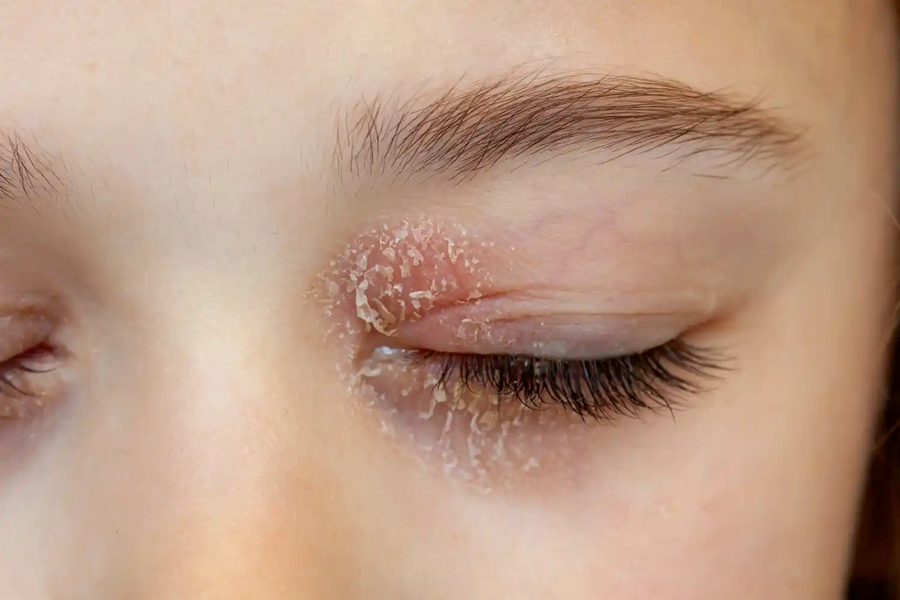
Blepharitis is a common eye condition that involves inflammation of the eyelids, particularly at the base of the eyelashes. It can affect one or both eyes and often leads to irritation, redness, and discomfort. While not typically vision-threatening, blepharitis can cause persistent symptoms that may interfere with daily life if left untreated.
This condition is frequently chronic, meaning it may recur over time. Although it does not spread from person to person, blepharitis can occur in people of all ages and often requires ongoing management to control symptoms effectively.
Common Symptoms of Blepharitis
Individuals with blepharitis may experience one or more of the following symptoms: - Redness: The edges of the eyelids may appear inflamed or swollen.
- Irritation: A sensation of burning or stinging in the eyes is common. - Crusting: Small flakes or crusts may form around the base of the eyelashes, especially upon waking. - Dry Eyes: Many people report dryness or grittiness in their eyes. - Itching: Persistent itching around the eyelid area is a frequent complaint. - Sensitivity to Light: Some individuals develop photophobia (light sensitivity).
- Watery Eyes: Paradoxically, people with blepharitis may experience excessive tearing.
Who Is at Risk?
Certain factors increase a person’s likelihood of developing blepharitis: 1. Poor eyelid hygiene habits. 2. Skin conditions such as rosacea or seborrheic dermatitis. 3. Pre-existing eye conditions like dry eye syndrome or allergies. 4. An abnormal growth of bacteria along the eyelid margins.
How Does It Affect Daily Life?
Blepharitis can range from mild irritation to more problematic cases that disrupt normal routines. For example: - Makeup application and removal can exacerbate symptoms if products are not hypoallergenic or are used incorrectly. - Extended use of contact lenses may become uncomfortable for those with recurrent episodes.
By understanding what blepharitis is and recognizing its signs early on, individuals can take steps toward improving their eye health and preventing further complications associated with this condition.
What Causes Blepharitis of the Eye?
Blepharitis is a common condition that affects the edges of the eyelids, leading to discomfort, redness, and irritation. Understanding its causes is essential to managing symptoms effectively. While the precise cause may vary from person to person, blepharitis often stems from a combination of factors.
Common Causes of Blepharitis
Bacterial Overgrowth
One of the most common causes is an overgrowth of bacteria on the eyelid margins. These bacteria can build up along the lash line and cause inflammation.Blocked Meibomian Glands
The meibomian glands, located along the edges of your eyelids, produce oils that are essential for keeping your eyes lubricated. When these glands become clogged or dysfunctional, it can lead to blepharitis.Skin Conditions
Skin disorders such as rosacea or seborrheic dermatitis (a condition that causes flaky skin) may also trigger or worsen blepharitis.Allergies
Allergic reactions to environmental irritants, contact lenses, or even makeup products can contribute to inflammation around the eyes and subsequently lead to blepharitis.Demodex Mite Infestation
Tiny mites called Demodex are naturally present on human skin. However, an overpopulation of these mites at the base of eyelashes can result in irritation and inflammation associated with blepharitis.
Risk Factors That May Increase Susceptibility
Poor eyelid hygiene habits
Using old or expired eye makeup
Wearing contact lenses for prolonged periods without cleaning them properly
Pre-existing conditions like dry eye syndrome or dandruff on other parts of your body
Differentiating Between Anterior and Posterior Blepharitis
Type | Definition | Common Triggers |
Anterior Blepharitis | Affects the outer edge of the eyelid where eyelashes are located | Bacterial infections; Demodex mites |
Posterior Blepharitis | Involves inflammation affecting the inner edge where meibomian glands are situated | Blocked glands; skin disorders like rosacea |
Preventative Tips
Clean your eyelids regularly with a gentle cleanser as part of your daily skincare routine.
Replace old makeup products and avoid sharing them with others.
Take frequent breaks when using digital devices to minimize eye strain.
If you wear contact lenses, ensure they are cleaned thoroughly and replaced as recommended by an eye care specialist.
Address any underlying skin conditions promptly under medical guidance.
By addressing these potential causes and adopting preventative measures, individuals prone to blepharitis may reduce flare-ups while improving overall comfort around their eyes.
Are There Ways to Treat Blepharitis?
At-Home Care Tips
Warm Compresses: Soak a clean cloth in warm water, wring it out, and place it over your closed eyes for 5–10 minutes. This helps to loosen crusts on the eyelids and improve oil gland function.
Use a gentle lid cleanser or diluted baby shampoo to clean your eyelid margins daily.
Gently massage the base of your eyelashes in small circular motions to help unclog oil glands.
Avoid using harsh soaps or chemicals that might irritate your eyes.
Avoid Eye Makeup Temporarily: During an active flare-up, pause wearing mascara or eyeliner to prevent further irritation.
Medical Treatments
In some cases, self-care alone may not be enough to control symptoms. Your healthcare provider may recommend additional treatments depending on the severity of the condition.
Topical Antibiotics: Ointments or eye drops containing antibiotics may be prescribed if bacterial infection is suspected.
Oral Antibiotics: For more persistent cases or those involving rosacea-related blepharitis, oral antibiotics such as doxycycline might be prescribed.
Steroid Drops or Ointments: Corticosteroid medications can help reduce inflammation if symptoms are severe.
Artificial Tears: Over-the-counter artificial tear solutions can help alleviate dryness associated with blepharitis.
Lifestyle Adjustments
Maintain proper hand hygiene to avoid introducing bacteria near your eyes.
Replace old makeup products frequently as they can harbor bacteria.
Adjust environmental factors—use a humidifier if dry air contributes to discomfort.
Limit screen time when possible to reduce digital eye strain that could exacerbate symptoms.
Advanced Treatments (If Necessary)
Treatment Type | Description |
Thermal Pulsation Devices | These devices apply heat and gentle pressure to unclog meibomian glands. |
Intense Pulsed Light (IPL) | A procedure aimed at reducing inflammation in more severe cases of blepharitis. |
Blepharitis treatment often requires patience and consistency since symptoms may take time to improve fully. Whether through daily lid hygiene routines or medical interventions, effective management is achievable with commitment over time.
Complications of Blepharitis
Blepharitis, while often manageable, can lead to several complications if left untreated or improperly managed. These complications may vary depending on the severity of the condition and the overall eye health of the individual. Understanding these potential issues can help you recognize when additional care or treatment might be necessary.
Common Complications
Blepharitis is closely linked to dry eyes due to inflammation affecting oil glands in the eyelids (meibomian glands).
Reduced oil production impacts tear quality and evaporation, leading to discomfort such as burning, itching, or a gritty sensation.
Blocked meibomian glands may result in a painless lump or cyst on the eyelid called a chalazion.
While typically harmless, it can cause swelling and tenderness if infected.
A bacterial infection around an eyelash follicle or gland can lead to a stye—a red, painful bump near the edge of the eyelid.
Styes often resolve on their own but may require medical attention if symptoms worsen.
Inflammation from blepharitis can spread to surrounding areas, potentially causing conjunctivitis—a condition characterized by red, itchy eyes and discharge.
Chronic blepharitis might lead to abnormal growth patterns in eyelashes, such as misalignment or loss (madarosis).
Severe cases of blepharitis may cause inflammation or damage to the cornea (the clear front surface of the eye), known as keratitis. This complication requires prompt medical attention due to its potential impact on vision.
Rare but Serious Complications
Scarring of Eyelids: Long-term inflammation could result in thickened or scarred eyelid margins.
Visual Impairment: While rare, untreated complications like keratitis can potentially interfere with vision if not addressed promptly.
Tips for Preventing Complications
Maintain good eyelid hygiene by cleaning your eyelids daily using warm compresses and gentle cleansers recommended by an eye care professional.
Avoid rubbing your eyes excessively, as this can aggravate symptoms or introduce bacteria.
Use artificial tears if dry eyes persist.
Follow any prescribed treatments consistently (such as antibiotics or anti-inflammatory medications) without skipping doses.
Having regular check-ups with an eye care provider is also essential for monitoring your eye health over time and addressing symptoms before they worsen.
By recognizing early warning signs of possible complications and adhering to preventive measures, you can better manage blepharitis and protect your overall ocular health effectively.
Complications of Blepharitis
Untreated or improperly managed blepharitis can lead to various complications that may affect the overall health of the eyes and vision. While most cases of blepharitis are not serious, persistent inflammation can occasionally result in more significant issues. Understanding these potential complications can help individuals take appropriate steps to manage and prevent further problems.
Common Complications of Blepharitis
Chronic inflammation from blepharitis can disrupt the normal production and quality of tears, leading to dryness and irritation.
Symptoms include a gritty sensation, burning, redness, or sensitivity to light (photophobia).
A chalazion is a small, painless lump on the eyelid that develops when one of the oil-producing glands becomes blocked due to chronic blepharitis.
Though often harmless, larger chalazia may press against the eye and cause discomfort or blurred vision.
A stye is a red, painful bump on the eyelid caused by an infected oil gland or hair follicle near the eyelashes.
Recurrent styes are often linked to ongoing inflammation associated with blepharitis.
Also referred to as pink eye, conjunctivitis involves inflammation or infection of the thin membrane covering the white part of the eye and lining the inner eyelids.
Blepharitis increases susceptibility to this condition due to bacteria on the eyelids spreading into other parts of the eye.
Long-term blepharitis may lead to misdirected eyelashes (trichiasis), where lashes grow inward toward the eye.
It can also cause lash loss (madarosis) or brittle lashes that break easily.
In severe cases, bacteria and inflammation may spread to the cornea—the clear front surface of the eye—resulting in keratitis or corneal ulcers.
These conditions can cause pain, increased sensitivity to light, and even vision loss if left untreated.
Preventing Complications
Regularly clean your eyelids using a warm compress followed by gentle cleansing with diluted baby shampoo or over-the-counter lid scrubs.
Avoid rubbing your eyes excessively as it may worsen irritation.
Follow recommended treatment plans such as prescribed medications like antibiotic ointments or anti-inflammatory drops when needed.
Address contributing factors like allergies, skin conditions (e.g., rosacea), or contact lens issues promptly.
Schedule routine check-ups with an eye care professional for monitoring if symptoms persist.
When Professional Care is Necessary
If symptoms worsen despite self-care measures or if you experience signs such as severe pain, changes in vision, swelling around your eyes, or discharge beyond what’s typical for blepharitis, seek medical evaluation promptly. Early intervention helps prevent long-term consequences while ensuring effective management strategies are implemented appropriately for your condition.
When Should You Visit Your Ophthalmologist?
Blepharitis, while common, can sometimes lead to persistent discomfort or complications if not managed appropriately. Knowing when to seek care from an ophthalmologist is essential for maintaining eye health and preventing potential issues. Below are some situations in which you should consider scheduling a visit with your eye care professional.
Persistent or Worsening Symptoms
If your blepharitis symptoms, such as redness, swelling, itching, or crusting on the eyelids, do not improve after trying home remedies or over-the-counter treatments for several days, it may be time to consult an ophthalmologist. Worsening symptoms can be a sign that the condition requires more targeted treatment.
Changes in Vision
Any changes in vision—whether they involve blurriness, difficulty focusing, seeing floaters, or sensitivity to light—should prompt a visit to an eye specialist. Although blepharitis primarily affects the eyelids and not vision directly, complications arising from untreated cases may interfere with your ability to see clearly.
Recurrent Episodes
If blepharitis becomes a recurring issue despite diligent eyelid hygiene practices and other preventive measures, it’s wise to seek professional advice. Chronic blepharitis might require ongoing management plans or specialized treatments tailored for your specific condition.
Signs of Infection
Blepharitis can sometimes lead to secondary infections in or around the eyes. If you notice any of the following symptoms, you should contact an ophthalmologist immediately:
- Yellowish discharge from the eyes or eyelids
- Severe pain around the eyes
- Increased swelling and redness beyond what is typically associated with blepharitis
These signs might indicate a bacterial infection requiring prescription medication like antibiotic ointments or drops.
Development of Eye Complications
In some cases, blepharitis can contribute to other eye-related conditions such as:
- Styes (hordeolum): Painful lumps on the edge of your eyelid caused by blocked oil glands.
- Chalazion: A painless bump resulting from inflammation of clogged glands within the eyelid.
- Dry Eye Syndrome: Insufficient tear production due to disrupted oil layers in tears caused by inflamed glands.
If these conditions arise and persist despite self-care efforts, consulting an ophthalmologist is advisable.
Difficulty Managing At-Home Care
For some individuals, maintaining consistent eyelid hygiene routines may prove challenging due to physical limitations or uncertainty about proper techniques. An ophthalmologist can provide guidance on safe and effective cleaning methods as well as recommend additional tools like lid wipes or warm compresses designed for people struggling with this aspect of care.
Additional Tips Before Visiting Your Ophthalmologist
Prepare a List of Symptoms: Write down all issues you've noticed along with their duration and severity.
Document Past Treatments: Note any over-the-counter products you've tried or at-home remedies used.
Bring Current Medications: Share details about any medications (both oral and topical) you're currently taking.
By seeking professional help when necessary and staying proactive about managing symptoms at home, you can reduce discomfort while minimizing potential complications linked to blepharitis.
When Should You Visit Your Ophthalmologist?
Blepharitis is a condition that can often be managed with proper care and hygiene. However, there are certain situations where it’s important to seek the help of an ophthalmologist. Delaying professional medical attention could lead to complications or prolonged discomfort, so knowing when to consult an expert is essential.
Signs That Warrant a Visit
Persistent Symptoms: If your symptoms, such as redness, swelling, or irritation, do not improve despite consistent at-home treatments (e.g., warm compresses or lid hygiene routines).
Severe Discomfort: If the burning or itching sensation becomes unbearable and interferes with daily activities.
Blurry Vision: Any changes in vision, including blurriness or difficulty seeing clearly, should be evaluated promptly.
Unusual Eyelid Changes: Swelling that worsens over time or noticeable deformities (like drooping eyelids) should not be ignored.
Frequent Eyelash Issues: Recurrent loss of eyelashes (a condition called madarosis) or lashes growing in abnormal directions could indicate underlying issues.
Eye Discharge: Excessive discharge that is yellow, green, or thick in consistency may suggest infection and requires medical evaluation.
Recurring Styes: Frequent styes (small painful lumps caused by blocked glands) can sometimes accompany chronic blepharitis and might need medical attention.
Situations Requiring Emergency Care
Severe Eye Pain: Pain that does not subside with over-the-counter remedies may indicate a more serious problem requiring urgent care.
Extreme Sensitivity to Light (Photophobia): This could suggest corneal involvement caused by untreated blepharitis.
Sudden Vision Loss: Rapid changes in vision must always be evaluated without delay.
What Your Ophthalmologist May Do
Procedure | Purpose |
Slit Lamp Examination | To inspect eyelid margins, oil glands, and overall eye health |
Tear Film Evaluation | To assess tear quality and any signs of dry eye syndrome |
Eyelid Scraping | In cases of suspected infection, a sample may be taken for analysis |
Based on their findings, they may recommend additional treatments like prescription medications (antibiotics for bacterial infections), lubricating drops for dryness relief, or even more advanced procedures such as intense pulsed light therapy if appropriate.
Benefits of Early Consultation
Seeking timely care helps prevent complications associated with untreated blepharitis such as chronic discomfort or damage to the cornea. It also allows you to restore comfort sooner while minimizing disruptions to everyday life.
By recognizing when professional input is necessary and acting on these signals promptly, you ensure better outcomes for your long-term eye health.


© 2026 Memorial Vision - All Rights Reserved - Privacy Policy - Accessibility Statement
Powered by
