
The Truth About Styes: Understanding and Managing Eye Stye Infections

The Truth About Styes: Understanding and Managing Eye Stye Infections

The Truth About Styes: Understanding and Managing Eye Stye Infections

The Truth About Styes: Understanding and Managing Eye Stye Infections

The Truth About Styes: Understanding and Managing Eye Stye Infections

The Truth About Styes: Understanding and Managing Eye Stye Infections

What Is a Stye and Why Does It Develop
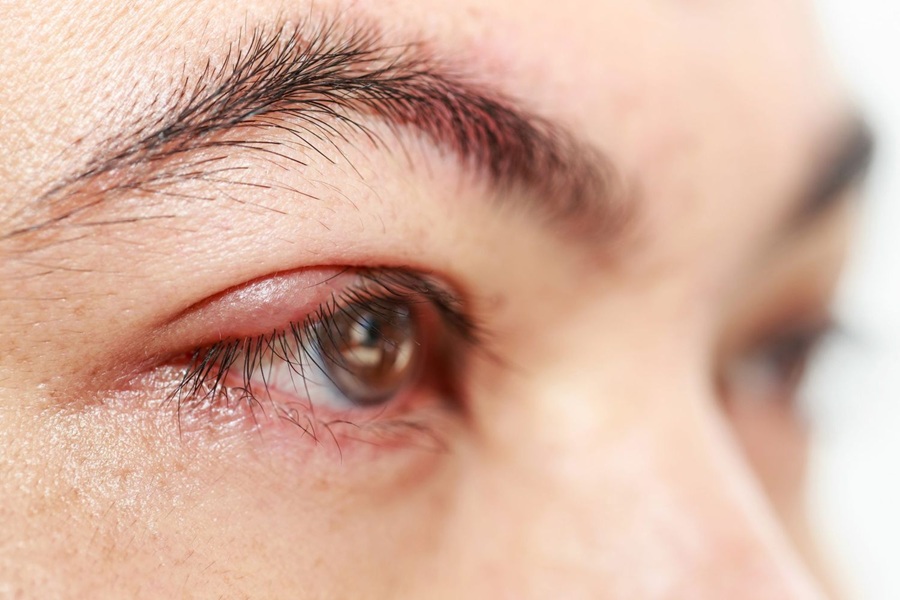
A stye, medically known as a hordeolum, is a small, red, and often painful lump that forms along the edge of the eyelid. It typically occurs when an oil gland or hair follicle at the base of an eyelash becomes clogged and subsequently infected with bacteria. While styes are not usually serious, they can cause discomfort and temporary disruption to daily activities.
Styes most commonly result from infection by the Staphylococcus aureus bacterium. These bacteria naturally occur on human skin and are normally harmless; however, when they invade an oil gland or follicle in the eyelid, they can trigger inflammation. This leads to swelling, redness, tenderness, and sometimes discharge from the affected area.
There are two primary types of styes: external and internal. External styes appear on the outer edge of the eyelid and are more common. They form in glands surrounding the base of eyelashes. Internal styes develop on the inside surface of the eyelid due to infection in one of the meibomian glands responsible for secreting oil that lubricates the eye.
Several factors contribute to why styes develop. Poor hygiene is one crucial element; touching your eyes with unwashed hands introduces bacteria to sensitive areas around your eyes. The buildup of dead skin cells or debris along your lash line can also clog glands, creating an environment where bacteria thrive. Additionally, individuals with certain skin conditions like rosacea or blepharitis (chronic inflammation of the eyelids) may have a higher predisposition to developing styes.
Stress may also play a subtle role in stye development. When under stress, some people unintentionally rub their eyes more frequently or neglect proper hygiene routines—both behaviors increase susceptibility to infections like styes. Wearing outdated or improperly cleaned eye makeup is another risk factor as it introduces foreign particles and bacteria into delicate areas around your eyes.
Understanding what causes a stye is pivotal for recognizing early signs and taking preventive measures before it escalates into a larger infection or recurring issue. By maintaining good hygiene practices and addressing underlying factors like chronic inflammation or environmental irritants that clog oil glands, many cases can be avoided altogether—or at least managed effectively when they occur.
Keep in mind that while home remedies may provide relief (such as warm compresses), persistent or recurrent cases should not be ignored as they could indicate other underlying health concerns requiring medical evaluation by an eye care professional.
Common Symptoms of an Eye Stye
An eye stye, medically referred to as a hordeolum, is a red, painful lump that forms along the edge of the eyelid. Understanding its symptoms not only helps in identifying the condition early but also aids in seeking appropriate care. While styes are typically harmless and resolve on their own, they can cause considerable discomfort if left untreated.
One of the most prominent signs of a stye is the formation of a small, tender bump near the base of your eyelashes or inside the eyelid. This bump often resembles a pimple or boil and may be accompanied by redness and swelling in the surrounding area. In some cases, multiple styes can develop simultaneously, leading to more significant irritation.
Another common symptom is localized pain or tenderness at the site of the stye. This discomfort often intensifies when you blink or touch the affected area. Some individuals may also notice increased sensitivity to light (photophobia) due to irritation on or around the eyelid.
Swelling is a hallmark feature of an eye stye and can sometimes extend beyond the immediate area of infection. This can give your entire eyelid a puffy appearance, making it difficult to open your eye fully. In severe cases, this swelling might even impair vision temporarily.
Many people with a stye experience excessive tearing as well. The infection can stimulate your tear glands, causing watery eyes even when you’re not feeling emotional or exposed to environmental irritants like wind or dust.
Crusting along the eyelid margins is another symptom that commonly accompanies an eye stye. As pus drains from the infected gland, it may dry on your lash line during sleep, leaving behind visible crusts that are often sticky and uncomfortable upon waking.
Styes can also cause itching or irritation around your eyes. While you might feel tempted to rub this area for relief, doing so increases your risk of spreading bacteria and prolonging infection.
In some instances, yellowish discharge may be present if the stye begins to drain naturally. Though it’s part of your body’s healing process, improper hygiene during this phase could lead to secondary infections or complications.
If you observe any combination of these symptoms—painful swelling near your eyelashes, redness in one eye with crusting around lashes—take careful note and monitor progression closely. While most cases improve without intervention within days to weeks through warm compresses and proper care practices at home (covered later), worsening symptoms such as fever should prompt immediate medical evaluation since they could indicate cellulitis rather than just localized inflammation related specifically toward blocked oil glands triggering external/internal Hordeola development
Risk Factors That Increase the Likelihood of Styes
A stye, also known as a hordeolum, can develop when the oil glands along the edge of the eyelid become clogged or infected. While anyone can experience a stye at some point in their life, certain risk factors increase the likelihood of developing one. Understanding these factors is essential for identifying personal risks and taking preventive measures.
Poor Eyelid Hygiene
One of the primary risk factors for developing a stye is poor eyelid hygiene. Failing to clean your face and eyes regularly can result in an accumulation of dirt, oils, and bacteria along the eyelids. This creates an environment where bacteria such as Staphylococcus aureus can easily grow and block oil glands, leading to an infection.
Makeup Usage and Improper Removal
Wearing makeup around the eyes—especially products like mascara, eyeliner, or eyeshadow—can increase your risk if not used properly. Sharing eye makeup or using expired products introduces bacteria that may cause infections. Additionally, sleeping with makeup on prevents proper cleaning of the eyelid area, further contributing to clogged glands over time.
Touching or Rubbing Your Eyes
Frequent eye-touching with unclean hands transfers bacteria directly onto the eyelids. This habit not only irritates sensitive skin but also promotes bacterial growth that could lead to styes. Individuals prone to allergies may rub their eyes more frequently due to itchiness, thus increasing their susceptibility.
Pre-existing Skin Conditions
Certain skin conditions like rosacea or seborrheic dermatitis can make individuals more prone to developing styes. These conditions often cause inflammation or excess oil production on facial skin and around the eyes, which can clog glands and lead to infections.
Contact Lens Use
Wearing contact lenses without adhering to strict hygiene standards is another significant factor. Reusing lenses without proper cleaning or touching them with unwashed hands introduces bacteria into the eye area. Even minor irritations caused by lenses can potentially contribute to gland blockages.
Chronic Blepharitis
Blepharitis—a condition characterized by inflammation along the edges of your eyelids—is a common underlying cause of recurring styes. Chronic blepharitis results in persistent redness and irritation that increases bacterial buildup near oil glands.
Weakened Immune System
A weakened immune system makes it harder for your body to fend off bacterial infections like those causing styes. Conditions such as diabetes or illnesses that compromise immunity may heighten one's vulnerability to these infections.
Stress and Fatigue
Prolonged periods of stress or lack of sleep have been linked to lowered immunity and changes in skin health. For some individuals, these factors might indirectly raise their risk of developing frequent styes due to reduced overall resilience against infections.
Managing Risk Factors Effectively
The good news is that many risk factors associated with styes are manageable through preventive care and lifestyle adjustments: - Practice daily eyelid hygiene by gently washing your face with a mild cleanser. - Avoid sharing personal items such as towels or cosmetics. - Replace makeup products regularly and remove all traces before sleeping. - Handle contact lenses only after thoroughly washing hands. - Manage stress levels through healthy habits like exercise, meditation, and adequate sleep. By addressing these risks head-on, you can significantly reduce your chances of experiencing painful eye stye infections while promoting long-term health for your eyes.
At-Home Treatments That May Help Relieve Symptoms
Managing a stye at home can be straightforward and effective if done correctly. While styes often resolve on their own within a week or so, certain remedies can speed up the healing process, alleviate discomfort, and reduce swelling. It’s important to approach at-home treatments with care to avoid further irritation or infection.
Warm Compress Therapy
One of the most effective and widely recommended treatments for a stye is the use of warm compresses. Applying gentle heat to the affected eye encourages the clogged oil gland to open and drain naturally. To do this, soak a clean washcloth in warm water (not hot), wring it out, and press it gently against the eyelid for 10–15 minutes at a time, multiple times per day. Make sure to reheat the cloth as needed to maintain warmth.
Eyelid Hygiene
Keeping the eyelids clean is essential during a stye infection. Use a mild baby shampoo or an over-the-counter lid scrub solution mixed with water to gently cleanse your eyelids. This helps remove debris, dirt, or bacteria that may be worsening the condition. Be careful not to rub too harshly or directly touch the inflamed area.
Avoid Squeezing or Popping
It can be tempting to apply pressure or try to pop a stye in hopes of draining it faster; however, this should never be done. Attempting to squeeze a stye can lead to further irritation and even spread bacteria deeper into surrounding tissues, potentially causing more serious infections like cellulitis.
Over-the-Counter Remedies
Lubricating eye drops (often referred to as artificial tears) can help soothe irritation caused by dryness often associated with styes. Additionally, over-the-counter antibiotic ointments specifically designed for eye use may provide relief under guidance from a pharmacist.
Temporary Discontinuation of Makeup and Contact Lenses
If you wear makeup or contact lenses regularly, it's best to pause their use while treating a stye. Eye makeup could introduce more bacteria or clog glands further, while contact lenses may irritate an already sensitive area. Proper hygiene is key before resuming either activity after recovery.
Herbal Remedies: Proceed With Caution
Although some people turn to herbal remedies like tea bags (such as green tea or chamomile), which are believed by some to have antibacterial properties when used as compresses, scientific evidence supporting these claims is limited. Always ensure any materials applied near your eyes are clean and free from irritants.
These methods are designed for minor cases that don’t involve severe pain or widespread swelling around your eye. If symptoms persist beyond several days despite trying these remedies—or if they worsen—it’s crucial that you seek advice from an eye care professional promptly rather than relying solely on at-home care measures.
When to See an Eye Doctor for a Stye
While most eye styes are harmless and resolve on their own within a week or two, there are certain situations where professional medical attention is essential. Understanding when it’s necessary to consult an eye doctor can help prevent complications and ensure proper treatment if the condition worsens.
Persistent or Worsening Symptoms
If your stye does not improve after several days of home care or if it appears to be getting worse, it’s time to seek medical advice. Signs that a stye may require professional intervention include increasing redness, swelling that extends beyond the eyelid, or significant pain that disrupts daily activities. These symptoms could indicate that the infection is spreading or that there may be another underlying issue needing attention.
Vision Changes
Changes in vision associated with a stye are uncommon and should not be ignored. If you experience blurred vision, difficulty focusing, or any other visual disturbances while dealing with a stye, contact an eye doctor immediately. These symptoms could suggest pressure on the eye caused by severe swelling or another condition such as cellulitis.
Large or Recurrent Styes
A large stye, particularly one that causes significant discomfort or impairs eyelid movement, may need to be drained by a healthcare professional using sterile equipment. Additionally, if you experience recurrent styes — multiple episodes within a short period — an eye doctor can assess whether underlying conditions such as chronic blepharitis (inflammation of the eyelids) or meibomian gland dysfunction are contributing factors.
Signs of Serious Infection
Though rare, some styes can lead to more severe infections like orbital cellulitis—a condition where surrounding tissues become infected. Warning signs include fever, chills, severe pain around the eye socket, and difficulty moving your eyes. Immediate medical attention is critical in such cases.
Chalazion vs. Stye Confusion
Sometimes what appears to be a stubborn stye may actually be a chalazion — a blocked oil gland that doesn’t involve bacterial infection but can linger longer than typical styes and might require professional intervention. An eye doctor can differentiate between these conditions and provide specialized care tailored to your needs.
What To Expect During Your Visit
During your visit to the eye doctor, they will likely examine your eyelid closely and ask about your symptoms’ history and severity. Depending on the diagnosis, they may suggest treatments such as prescription antibiotic ointments or drops if bacterial infection is suspected. In some cases involving larger lesions, minor surgical drainage might be recommended under local anesthesia for relief.
Knowing when professional care is needed not only helps alleviate discomfort sooner but also reduces potential risks associated with untreated infections around such sensitive areas as the eyes. Do not hesitate to consult an expert promptly if you observe troubling signs beyond typical symptoms of this common yet manageable condition.
How to Prevent Future Eye Stye Infections
Preventing eye stye infections involves adopting a combination of good hygiene practices, understanding personal risk factors, and making small but impactful changes to your daily routine. While styes are relatively common and often harmless, taking proactive measures can significantly reduce the likelihood of recurrence. Here’s how you can help protect your eyes from future stye infections.
Maintain Proper Eye Hygiene
Cleanliness is crucial for keeping bacteria at bay. Make it a habit to wash your face thoroughly each day, paying special attention to the area around your eyes. Use a gentle cleanser that is free from harsh chemicals or fragrances, as these can irritate sensitive skin near the eyelids. If you wear makeup, ensure that all traces are removed before going to bed. Leaving makeup on overnight can clog the oil glands along your eyelids, creating an environment where bacteria thrive.
For contact lens wearers, always wash your hands before handling lenses and follow proper storage guidelines. Dirty hands or improperly cleaned lenses can introduce harmful bacteria into your eyes.
Avoid Touching Your Eyes
Your hands come into contact with countless surfaces throughout the day and often carry germs that could lead to infections like styes. Make a conscious effort not to rub or touch your eyes unnecessarily—especially with unwashed hands. If you must touch them (e.g., when applying eye drops), make sure your hands are freshly washed and clean.
Replace Old Makeup Products Regularly
Eye makeup products such as mascara, eyeliner, and eyeshadow should be replaced every three to six months to prevent bacterial buildup. Sharing makeup with others should also be avoided since it increases the risk of cross-contamination.
Additionally, make sure that brushes or applicators used for eye makeup are cleaned frequently using soap or specialized brush cleansers. This step is essential for preventing bacteria from transferring onto your eyelids.
Keep Towels and Bedding Clean
Items like pillowcases and face towels come into direct contact with your face daily and should be washed regularly in hot water. Dirty fabrics can harbor bacteria that may end up near your eyes while you sleep or dry off after washing.
If you’ve had an active stye recently, consider replacing these items entirely once it has healed to minimize reinfection risk.
Be Mindful of Your Diet and Lifestyle
A healthy immune system plays an important role in resisting infections like styes. Eating a balanced diet rich in vitamins A, C, E, and omega-3 fatty acids helps support overall eye health as well as immune function. Hydration is equally important—drink plenty of water throughout the day.
Stress management is another factor worth considering since chronic stress can weaken immunity over time. Prioritizing self-care activities such as exercise or mindfulness practices might contribute not only to fewer eye issues but also better overall health.
Manage Underlying Conditions
Certain conditions such as blepharitis (inflammation of the eyelids) or meibomian gland dysfunction (blockage in oil glands along the eyelid) increase susceptibility to styes by disrupting normal gland function near eyelashes. If diagnosed with one of these conditions—or if suspecting it—it’s essential to follow medical advice closely for long-term management strategies tailored specifically for you.
By practicing these preventative strategies consistently over time, you’ll reduce both discomfort associated with recurrent styes as well their impact on daily life significantly.
Common Myths and Facts About Styes
Styes are one of those conditions that seem simple at first glance but are often surrounded by a surprising amount of misinformation. Separating myths from facts is crucial for understanding how to properly address this common eye issue. Below, we'll explore several misconceptions about styes and contrast them with the actual truth, helping to clear up confusion and provide accurate insights.
Myth: Styes Are Caused by Poor Hygiene
One of the most widespread myths is that styes only develop because of poor hygiene. While cleanliness does play a role in preventing infections, styes are not exclusively caused by being unclean. Styes often develop due to blocked oil glands at the base of your eyelashes, which can become infected with bacteria such as Staphylococcus aureus. Even individuals who practice excellent hygiene can experience styes due to factors like hormonal changes, stress, or naturally oily skin.
Fact: Styes Are Contagious in Certain Scenarios
Another common belief is that styes are not contagious at all. While it’s not possible to “catch” a stye just from being near someone who has one, bacteria from an infected individual’s eye can transfer through shared items such as towels or pillowcases. Practicing good hygiene—like not sharing personal items—is essential to reducing the risk of spreading the infection.
Myth: A Stye Can Be Popped Like a Pimple
Many people mistakenly assume that treating a stye involves squeezing or popping it as you might with acne. In reality, doing so can worsen the infection and cause it to spread deeper into surrounding tissues. Instead of attempting to pop a stye, warm compresses are recommended as a safe method for encouraging natural drainage while reducing pain and swelling.
Fact: Makeup Use Can Aggravate or Trigger Styes
It’s true that using old or contaminated makeup products—especially eyeliner and mascara—can contribute to the development of a stye. This happens when bacteria transfer from these products onto your eyelids, increasing the likelihood of clogged oil glands becoming infected. Replacing eye makeup every few months and thoroughly cleaning brushes can reduce this risk.
Myth: All Eye Lumps Are Styes
Not every lump near your eye is necessarily a stye. Some might be chalazia, which form when oil glands become blocked but do not become infected like a stye does. Chalazia are generally less painful than styes and may require different treatment approaches if they persist.
Fact: Warm Compresses Are Highly Effective for Relief
One piece of advice commonly given about managing styes happens to be true: warm compresses work wonders in alleviating discomfort and promoting healing. The warmth helps increase circulation in the affected area, softens blockages in oil glands, and encourages drainage without invasive methods.
By distinguishing between myths and facts about styes, individuals can better understand how this condition develops—and how best to address it without misconceptions clouding judgment.


© 2026 Memorial Vision - All Rights Reserved - Privacy Policy - Accessibility Statement
Powered by
