
Struggling with Night Vision? Here’s What It Could Mean

Struggling with Night Vision? Here’s What It Could Mean

Struggling with Night Vision? Here’s What It Could Mean

Struggling with Night Vision? Here’s What It Could Mean

Struggling with Night Vision? Here’s What It Could Mean

Struggling with Night Vision? Here’s What It Could Mean

What Is Night Vision and Why Does It Matter
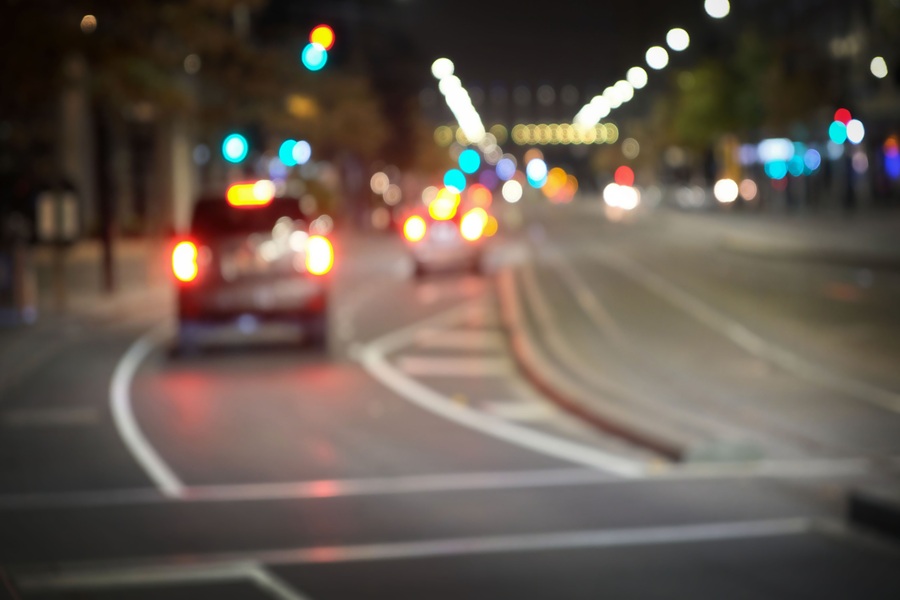
Night vision refers to the ability of your eyes to adapt and see clearly in low-light or dark conditions. This process involves a complex interaction between various parts of the eye, including the retina, which contains photoreceptor cells called rods and cones. Rod cells are especially crucial for night vision as they are highly sensitive to dim light, enabling us to navigate environments where lighting is minimal. When this ability is compromised, it can significantly affect daily activities such as driving at night, walking in poorly lit areas, or simply moving around your home after sunset.
Night vision plays an essential role in maintaining safety and independence. For instance, many people rely on their ability to drive during the evening hours for work or personal errands. Poor night vision could not only make these tasks more challenging but also increase the risk of accidents and injuries. Beyond practical implications, struggling with night vision can hint at underlying health concerns that require attention.
The importance of good night vision extends beyond just convenience—it directly impacts quality of life. Tasks like recognizing faces across a dimly lit room or distinguishing objects on dark roads become increasingly difficult without proper visual adaptation. While some individuals naturally have less pronounced night vision due to genetic factors, dramatic changes in this ability over time should not be ignored.
Understanding why night vision matters also involves appreciating how it highlights overall eye health. The delicate structures that facilitate seeing in the dark are indicators of broader ocular function. Damage or inefficiencies in these structures could signal conditions like cataracts, glaucoma, or even systemic health issues such as diabetes.
By paying attention to your nighttime visual performance and addressing any challenges promptly, you can protect this critical aspect of sight while ensuring it doesn’t hinder your day-to-day activities—or rather, your “night-to-night” ones. Whether you notice subtle adjustments in how well you see after dusk or experience more severe symptoms like halos and glare around lights, understanding why night vision matters is the first step toward safeguarding this invaluable sense for years to come.
Common Signs of Night Vision Problems
Struggling with night vision can often feel subtle at first, but over time, it may begin to impact your daily life—especially if left unaddressed. The signs are not always obvious, and many people adapt without realizing they are compensating for a deeper issue. Being mindful of these common indicators can help you identify whether you might be experiencing difficulties with your night vision.
One of the clearest signs is increased difficulty seeing in dim lighting or at night. For example, you might find it challenging to navigate a dark room or recognize objects on an evening walk. Activities that rely on clear eyesight, such as driving after sunset, may become increasingly stressful as glare from headlights or streetlights seems harsher than before.
Another common symptom is slower adjustment when transitioning between bright and dim environments. If your eyes take longer than usual to adapt when stepping indoors after being outside in sunlight, this could point to underlying issues affecting your ability to see in low-light conditions.
Halos around lights are another potential sign. You might notice glowing rings around headlights, streetlamps, or other light sources when it’s dark out. This phenomenon can make already difficult nighttime driving even more daunting.
People experiencing night vision problems may also deal with blurry or distorted vision in low light. Details such as road signs, faces in dimly lit rooms, or even simple objects can appear fuzzy or unclear, requiring extra effort to focus.
Additionally, some individuals report seeing reduced contrast at night. This means that distinguishing between darker and lighter surfaces becomes harder—for instance, spotting black ice on roads during winter evenings might be more difficult due to decreased contrast sensitivity.
Eye strain and fatigue after prolonged periods of being in low light are also worth noting. Struggling to focus under these conditions often requires extra effort from your visual system, which can leave eyes feeling tired or sore after activities like reading under dim lighting.
While some of these symptoms might seem minor initially, they should not be ignored if they persist or worsen over time. Even mild struggles with night vision could signal an underlying issue that could benefit from early intervention. Recognizing the warning signs early allows you to take proactive steps toward better eye health and safer nighttime activities.
Eye Conditions That Can Affect Night Vision
Night vision relies heavily on the intricate workings of your eyes' specialized structures. When these components do not function optimally, it can lead to difficulty seeing in low-light conditions or complete impairment of night vision.
One common condition linked to night vision difficulties is cataracts. This makes tasks like driving after dark particularly challenging.
Another significant contributor to reduced night vision is retinitis pigmentosa, a rare genetic disorder that affects the retina's ability to respond to light. People with this condition often experience difficulty seeing in dim lighting and may lose their peripheral vision over time. Early signs might include tripping over objects in low-light settings or struggling in environments where lighting levels suddenly change.
Diabetic retinopathyis another condition that can interfere with night vision. As fluctuating blood sugar levels damage the blood vessels within the retina, individuals with uncontrolled diabetes often notice challenges seeing clearly at night. This issue becomes especially concerning as it progresses because untreated diabetic retinopathy can lead to permanent blindness.
Vitamin A deficiency, although less common in developed countries, can also impair your ability to see at night. Vitamin A plays a critical role in maintaining healthy photoreceptors — cells in your retina responsible for detecting light. Without adequate vitamin A intake, these photoreceptors cannot function effectively, leading to symptoms such as difficulty adapting from bright settings into darkness.
Additionally, glaucoma, a condition characterized by increased pressure within the eye that damages the optic nerve, may contribute indirectly to poor night vision by affecting peripheral vision first and later advancing toward central sight challenges if untreated.
Lastly, macular degeneration, particularly its dry form found commonly among older adults, might make nighttime reading or distinguishing fine details more difficult under low-light circumstances due to damage near the center of your retina (the macula).
Each of these conditions poses unique challenges for nighttime visibility but requires tailored treatment approaches based on accurate diagnosis by an eye care professional. Regular check-ups are essential not only for managing these issues but also for preventing their progression before they severely impact your quality of life after sunset.
If you struggle with seeing clearly at nighttime or notice persistent changes in how well you adjust between lighting environments—such as streetlights glaring more harshly than before—it’s worth exploring whether one of these underlying health issues could be playing a role.
How Aging Impacts Vision in Low-Light Conditions
Aging is an inevitable process that affects nearly all aspects of the body, including vision. This decline can make activities such as driving at night, navigating dimly lit environments, or even recognizing faces in shadowy settings more challenging over time. Understanding how aging impacts your ability to see in low-light conditions can help you take proactive steps to protect and enhance your visual health.
Changes in the Eye with Age
As we grow older, various physiological changes occur in the eye that directly affect its capacity to adapt to reduced lighting. One primary factor is the gradual loss of elasticity and efficiency in the lenses of your eyes. Over time, these lenses naturally thicken and become less transparent, allowing less light to enter and reach the retina. This reduced light transmission diminishes clarity and contrast sensitivity in low-light settings.
Additionally, pupil size tends to shrink with age—a condition referred to as senile miosis—which limits how much light can enter the eye. In brighter settings, this may not be noticeable; however, when transitioning into a darker environment, older eyes often struggle more than younger ones because they cannot dilate as effectively.
Decline in Rod Cells
The retina contains two types of photoreceptor cells: rods and cones. Rod cells are primarily responsible for vision in dim lighting. Unfortunately, rod density declines as we age, reducing our ability to see clearly at night or adapt quickly from bright light to darkness (a function known as dark adaptation).
This reduction can mean that tasks like walking through a poorly lit room or driving on an unlit road may take extra effort or pose safety risks for older adults.
Common Complaints Related to Aging
Increased glare sensitivity: Headlight glare while driving at night becomes more distracting.
Blurry vision: Objects may appear less defined without adequate lighting.
Longer adjustment periods: Moving from bright areas into darkness might feel disorienting due to slower dark adaptation.
Reduced depth perception: Judging distances accurately becomes harder when lighting is insufficient.
Lifestyle Adjustments for Better Night Vision
Ensure good indoor lighting by using adjustable lamps or layered lighting systems.
Wear anti-glare glasses if needed while driving at night.
Avoid using dim screens late at night which can strain aging eyes further.
Scheduling regular eye exams also plays a critical role; an optometrist can help monitor any natural decline while ruling out other underlying conditions like cataracts or macular degeneration that could exacerbate challenges with low-light vision.
By understanding how aging impacts your ability to see at night and making meaningful adjustments early on, you can maintain both safety and confidence when navigating after dark.
When Poor Night Vision May Signal a More Serious Issue
Struggling to see clearly in dim or low-light conditions can sometimes be more than just an inconvenience. While many people dismiss poor night vision as a normal part of aging or a minor challenge, it can, in certain cases, indicate a more serious underlying issue. Understanding when to take your night vision problems seriously is essential for protecting both your eye health and overall wellbeing.
Potential Medical Causes of Night Vision Problems
Night vision issues may point to underlying medical conditions that require prompt attention. In early stages, cataracts might only cause slight glare or difficulty distinguishing details in low light. However, if left untreated, they can significantly impair your quality of life and make even daytime vision challenging.
Another possible cause is retinitis pigmentosa, a rare genetic disorder that damages the retina’s ability to process light properly. Individuals with this condition often first notice difficulties seeing in dark environments before experiencing broader peripheral vision loss. Glaucoma is another concern; this progressive condition damages the optic nerve and can lead to narrow visual fields and trouble seeing at night.
Systemic diseases like diabetes shouldn't be overlooked either.
Nutritional Deficiencies
Sometimes, poor night vision reflects nutritional deficiencies rather than structural damage within the eyes themselves. Vitamin A deficiency is perhaps the most well-known example; this essential nutrient plays a crucial role in maintaining healthy photoreceptors responsible for processing light under dark conditions. Without enough vitamin A, you might notice increasing difficulty adapting from bright environments to dimly lit ones.
Though less common in developed countries due to fortified diets, vitamin A deficiencies can still occur among individuals with malabsorption conditions like Crohn’s disease or celiac disease. Addressing these deficiencies through diet adjustments or supplementation is vital for reversing symptoms.
Warning Signs That Warrant Attention
It’s important to recognize when trouble seeing at night may signal something more significant than simple fatigue or environmental factors like glare from oncoming headlights. Pay close attention if your symptoms are worsening over time or accompanied by other issues such as eye pain, frequent headaches, double vision, or visible changes in your eyes like redness or swelling.
Additionally, sudden onset of poor night vision should always prompt immediate evaluation by an eye care professional; abrupt changes are often indicative of acute medical concerns like retinal detachment or optic neuritis that demand urgent intervention.
The Importance of Timely Action
Ignoring signs of poor night vision won’t make them go away—and delaying care could increase risks associated with undiagnosed conditions. Beyond physical safety concerns (such as struggling to drive safely after dark), untreated issues could cause long-term damage that affects more than just nighttime visual clarity.
If you suspect there’s an underlying issue affecting your ability to see well at night, don’t hesitate—schedule an appointment with an ophthalmologist or optometrist promptly for testing and further evaluation. Early diagnosis not only improves outcomes but often allows for simpler treatment options before complications arise.
Treatment Options for Night Vision Difficulties
Addressing the issue promptly can improve your quality of life and help prevent potential accidents in low-light conditions. Here, we’ll explore some of the most common treatments and strategies for managing night vision problems.
This is particularly true if you have refractive errors such as myopia (nearsightedness) or astigmatism.
Addressing Cataracts
Cataracts are a common cause of night vision difficulties, especially in older adults. They create cloudiness in the eye’s lens, which scatters light and reduces clarity in dim conditions. This procedure involves replacing the cloudy lens with an artificial one that restores clear vision.
Managing Dry Eyes
Dry eye syndrome can exacerbate night vision issues by causing irritation and fluctuations in visual focus. Applying lubricating eye drops or using prescription treatments like cyclosporine can help keep your eyes hydrated and reduce discomfort. Additionally, incorporating lifestyle changes like increasing humidity levels at home or taking breaks from screens may provide relief.
Nutritional Support for Eye Health
A lack of essential nutrients such as vitamin A may contribute to difficulty seeing at night. Ensuring your diet includes foods rich in key nutrients—like carrots, sweet potatoes, leafy greens, and fish high in omega-3 fatty acids—can support overall eye health. In some cases, supplements specifically formulated for ocular wellness may be recommended by an eye care professional.
Tackling Underlying Medical Conditions
Certain medical conditions such as diabetes or retinitis pigmentosa can impair low-light vision. Managing these conditions effectively through medication, lifestyle changes, or other therapeutic interventions often helps alleviate related visual symptoms. Collaboration between your general physician and ophthalmologist is critical if systemic health issues are contributing to poor night vision.
Vision Therapy
For individuals whose night vision problems stem from specific functional issues like difficulty adjusting between light levels (contrast sensitivity), customized vision therapy programs may be beneficial. These programs involve guided exercises designed to strengthen visual skills and improve adaptability in different lighting environments.
Advanced Optical Solutions
In some cases where traditional options aren’t sufficient, advanced optical aids like specialized low-vision devices or tinted lenses may help enhance your ability to navigate dim settings more comfortably.
When to Schedule an Eye Exam for Night Vision Concerns
If you’re struggling with seeing clearly at night, it might be tempting to dismiss the issue as a minor inconvenience or something that comes with age. However, poor night vision can sometimes indicate underlying issues that require professional attention. Knowing when to schedule an eye exam can mean the difference between addressing a manageable issue early and allowing a more serious condition to progress undiagnosed.
Persistent Difficulty Seeing in Low-Light Conditions
One of the clearest signs that you should schedule an eye exam is if nighttime driving or navigating dimly lit areas has become consistently problematic. Occasional difficulty adjusting your eyes from light to dark may not necessarily be concerning, but when this becomes an ongoing struggle, it’s important to seek advice from an eye care professional.
Trouble Seeing Halos or Glare Around Lights
Do you notice excessive glare or halos around car headlights or streetlights while driving at night? These symptoms could indicate cataracts, changes in the cornea, or other eye conditions that affect the way light is processed by your eyes. An optometrist can help determine whether these issues stem from natural changes in your vision or something more serious.
Frequent Eye Strain or Fatigue in Dim Settings
If your eyes feel tired even after brief periods of time spent reading under low light or working on screens in poorly lit rooms, it could signify a deeper issue affecting your visual acuity. While some level of strain can be caused by external factors like screen use without breaks, recurring fatigue may signal problems such as uncorrected refractive errors or early stages of other ocular conditions.
Compromised Peripheral Vision During Nighttime
If you find it difficult to detect movement or objects outside your central focus during nighttime activities, this could hint at underlying retinal issues. Diseases like glaucoma can initially affect peripheral vision before progressing further. Timely diagnosis through comprehensive exams can help manage such conditions effectively.
Family History of Eye Disorders
Even if you do not currently experience significant night vision problems, having a family history of eye disorders like retinitis pigmentosa, macular degeneration, or glaucoma warrants regular checkups. Many conditions have genetic components and may manifest subtly over time before leading to noticeable impairment.
Unusual Sensitivity to Darkness After Bright Environments
If transitioning from bright outdoor sunlight into dimly lit indoor spaces takes longer than usual for your eyes to adjust—or if this adjustment seems incomplete—consider having a professional evaluation. Slow adaptability between light levels might point toward specific vitamin deficiencies (such as Vitamin A) or structural changes within the retina.
Proactive Care for Chronic Health Issues
Certain medical conditions such as diabetes and hypertension are known contributors to poor night vision due to their effects on blood vessels in the retina. If you have been diagnosed with any systemic health concerns that could impact your eyesight, regular monitoring and check-ins with both your physician and optometrist are essential.
Scheduling regular eye exams is crucial not only for addressing current concerns but also for proactively safeguarding your long-term vision health. By paying attention to these signs and prioritizing timely care, you ensure that potential issues don’t hinder both safety and quality of life during nighttime activities.


© 2026 Memorial Vision - All Rights Reserved - Privacy Policy - Accessibility Statement
Powered by
