
How to Take Care of Your Contact Lenses and Glasses

How to Take Care of Your Contact Lenses and Glasses

How to Take Care of Your Contact Lenses and Glasses

How to Take Care of Your Contact Lenses and Glasses

How to Take Care of Your Contact Lenses and Glasses

How to Take Care of Your Contact Lenses and Glasses

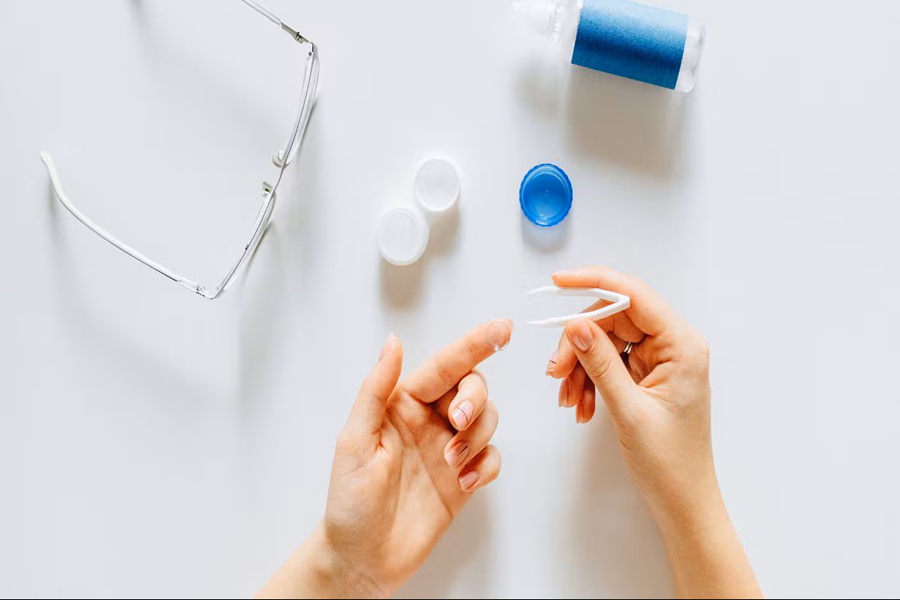
Why Proper Care of Contacts and Glasses Matters
By understanding why lens and glasses care is critical, you take the first step toward preserving both your investment and your ocular well-being.
Protecting Eye Health
Preventing Infections: Contact lenses sit directly on the surface of your eyes, making them susceptible to bacteria and microorganisms if not cleaned properly.
Avoiding Irritation: Dirty lenses or smudged glasses can cause discomfort, redness, or even blurred vision over time.
Minimizing Allergies: Dust buildup on glasses or improper storage of contacts might exacerbate allergy symptoms.
Prolonging the Life of Your Glasses and Lenses
Proper care ensures that you get the most out of your investment: - Prevent Scratches: Regular cleaning with appropriate materials can prevent small scratches that compromise visibility in glasses.Reduce Wear and Tear: Proper handling during cleaning and storage extends the usability of both eyewear types.
Enhancing Vision Quality
Maintaining clean contact lenses ensures: - Clearer vision without obstructions caused by buildup, such as protein deposits on soft contact lenses. For eyeglasses: - Smudge-free lenses provide sharper focus for work, reading, or outdoor activities.
Financial Benefits
Replacing scratched glasses or damaged contact lenses regularly can become expensive. Investing time in routine care reduces these replacement costs by keeping your eyewear functional longer.
Environmental Responsibility
With many lens cases, disposable contacts, and packaging contributing to waste, careful use prolongs their usability. For glasses wearers especially, maintaining one pair reduces the need for premature purchases that add unnecessary manufacturing impact.
By acknowledging why proper care matters, you not only protect your own health but also contribute positively to reducing unnecessary expenses while serving environmental considerations.
Why Proper Care of Contacts and Glasses Matters
Preventing Eye Infections
Contact lenses sit directly on the surface of your eyes, which makes hygiene crucial. Without proper cleaning, they can harbor harmful bacteria, fungi, or deposits that may cause infections like conjunctivitis or more severe corneal ulcers.
Glasses may seem less critical in this regard, but dirty lenses can transfer bacteria from your hands to your face if handled improperly.
Extending Longevity
Regular maintenance helps avoid scratches on your glasses or protein buildup on contact lenses. This ensures they last longer and perform optimally.
Avoiding damage to your eyewear saves money by reducing frequent replacements.
Enhancing Visual Clarity
Dust, smudges, or grime on glasses impair vision quality. Similarly, unclean contact lenses create cloudy vision due to deposits.
Proper cleaning ensures clearer sight while preventing strain on your eyes.
Supporting Overall Eye Health
Neglecting lens hygiene can result in red eyes, irritation, dryness, and even long-term damage to the cornea. Keeping contact lenses clean and following recommended practices ensures optimal comfort and reduces risks.
Environmental Responsibility
For those opting for sustainable materials like bamboo glasses frames (if applicable), proper care ensures these eco-friendly choices stay durable and effective over time.
How Improper Care Impacts Your Daily Life
Neglecting proper care introduces complications into everyday tasks: - Wearing damaged contacts can cause blurred vision during critical moments like driving. - Dirty or scratched glasses can make reading screens or books a struggle. - Eye infections resulting from poor hygiene may require expensive medical treatment or force you to stop wearing contacts altogether.
Investing just a few minutes each day into a consistent lens cleaning routine makes a significant difference not only for eye health but also for maintaining an active lifestyle without interruptions caused by preventable issues.
By understanding the importance of proper care for both contacts and glasses, it's easier to commit to maintaining their condition as part of a daily routine.
How to Store Contact Lenses Safely
Proper storage of contact lenses is a crucial part of maintaining your eye health. By following a few straightforward steps and incorporating hygienic practices, you can ensure your lenses remain safe and comfortable to wear.
Use the Right Contact Lens Case
Avoid makeshift containers or reusing old cases for too long.
Replace your lens case every three months. Over time, cases can harbor bacteria even with regular cleaning.
Choose an Appropriate Solution
Avoid substituting with water, saliva, or other liquids as they are not sterile and may introduce harmful microorganisms.
Never "top off" old solution in this case—always dispose of used solution and refill with fresh solution each time you store your lenses.
Clean Your Lens Case Daily
To prevent contamination: 1. Empty the used lens solution from the case after each use. 2. Rinse the case with fresh contact lens solution (not tap water). 3.
Avoid Exposing Lenses to Water
Water contains microorganisms that can cause severe eye infections like Acanthamoeba keratitis.
Remove contacts before swimming, showering, or using hot tubs unless you're wearing goggles or other protective gear approved for use with contacts.
Keep Your Storage Area Clean
Ensure that the area where you handle and store lenses is free from dust and debris.
Wash and dry your hands thoroughly before touching either your contacts or their storage case.
Travel Tips: Storing Lenses on the Go
When traveling: - Carry a travel-sized bottle of sterile contact lens solution that complies with airport security guidelines if flying. - Use a portable storage case but ensure it’s cleaned thoroughly just like your at-home one.
Proper care ensures that wearing contacts remains comfortable and safe over time.
Common Mistakes to Avoid with Eye Care Products
Below are some common errors to avoid when handling and maintaining your eye care products.
Using Water to Clean Contact Lenses
Tap water contains microorganisms, such as Acanthamoeba, which can cause severe eye infections like Acanthamoeba keratitis.
- Always use a sterile saline solution or the recommended contact lens cleaning solution from your optometrist.
- Avoid exposing your lenses to any non-sterile liquids, including distilled water or saliva.
Overwearing Contact Lenses Beyond the Recommended Time
- Sleeping in daily wear lenses unless they are marked as extended wear by your doctor.
To prevent such issues:
- Follow the replacement schedule for daily, bi-weekly, or monthly lenses as directed on the packaging or by your provider. - Set reminders if you're prone to forgetting replacement dates.
Ignoring Proper Hand Hygiene Before Handling Lenses or Glasses
Many overlook the importance of clean hands when touching their lenses or glasses. This can transfer bacteria and oils directly onto the surface.
Using Household Cleaners on Glasses
While it may seem convenient to use general cleaners like window spray on glasses, these products contain harsh chemicals that damage lens coatings (such as anti-scratch or anti-glare layers).
- Use a lens-specific cleaning spray approved for eyeglasses. - For quick cleaning, rinse glasses under lukewarm running water and gently wash with a drop of mild dish soap before drying with a microfiber cloth.
Reusing old solution from your lens case is another widespread mistake because it diminishes its sterilizing properties over time and allows bacteria growth.
- Emptying out used solutions after every use instead of “topping off” with fresh solution. - Thoroughly rinsing out the lens case with sterile solution before letting it air dry between uses.
Neglecting Regular Replacement of Lens Cases
Lens cases often become breeding grounds for bacteria if not replaced regularly. Many people overlook this step despite its significant impact on reducing infection risks.
- Replacing contact lens cases every three months at minimum. - Cleaning cases daily using sterile solution (not water), then leaving them open to dry completely.
Skipping Routine Eye Exams
Even if you feel no discomfort, skipping regular visits to an optometrist is a common but harmful habit. Prescriptions change over time, and professionals can detect early signs of conditions like dry eyes or ocular allergies during these appointments.
By avoiding these common pitfalls in caring for contacts and glasses, you not only extend their lifespan but also support better long-term eye health. Small adjustments in how you manage these essential items can make a significant difference in comfort and clarity throughout your day.
Common Mistakes to Avoid with Eye Care Products
Many people inadvertently make mistakes when handling their eye care products, which can compromise both the health of their eyes and the longevity of their eyewear. Below, we outline some of the most common mistakes people make and how to avoid them.
Overwearing Contact Lenses
One of the most frequent issues is wearing contact lenses for too long or beyond their recommended duration. Each type of lens—daily, bi-weekly, or monthly—has a specific lifespan designed to ensure optimal comfort and hygiene. Overwearing lenses can: - Increase the risk of eye infections. - Lead to dry eyes or irritation. - Reduce oxygen flow to the cornea.
How to Avoid:
Always follow your optometrist’s recommendations regarding wear times. Set reminders on your phone or calendar for when it’s time to replace lenses if you’re using bi-weekly or monthly options.
Using Water or Saliva as a Cleaning Solution
Some individuals mistakenly use water or saliva instead of proper cleaning solutions for contact lenses. This practice introduces harmful bacteria directly into your eye, increasing the risk of severe infections such as keratitis.
How to Avoid:
Only use sterile saline solution or multipurpose disinfectant solutions specifically designed for contact lenses. Keep travel-sized bottles handy when you're on the go.
Sleeping in Contact Lenses (Unless Approved)
Sleeping with non-extended wear contacts reduces oxygen supply to your corneas, which can cause discomfort and increase the likelihood of infection.
How to Avoid:
If you tend to forget about removing contacts before bed, establish a nightly routine that includes taking them out first. Use alarms if needed as a reminder.
Touching Eye Care Products with Dirty Hands
Handling glasses or contacts without washing your hands introduces dirt, oils, and microbes onto surfaces that come into direct contact with your eyes.
How to Avoid:
Neglecting Glasses Maintenance
Failing to clean glasses properly—such as wiping them with abrasive materials like paper towels—can lead to scratches on lenses and reduced clarity over time.
How to Avoid:
Clean glasses regularly using: - A microfiber cloth. - Lens-specific cleaning spray (never household cleaners).
Store glasses in a protective case when not in use rather than leaving them exposed on countertops where they could be damaged.
Reusing old solutions is another common mistake that compromises cleanliness. Once solution has been used, it loses its disinfecting properties and harbors bacteria from previous uses.
How to Avoid:
Always discard old solutions after each use. Refill lens cases with fresh disinfectant before storing contacts every day.
Skipping Regular Eye Exams
Neglecting visits to an optometrist prevents early detection of vision changes or potential issues related to eye health caused by improper eyewear care habits.
How To Avoid:Schedule routine check-ups based on your doctor’s recommendations—even if you don’t notice immediate problems—to ensure both corrective prescription accuracy and overall ocular health monitoring.
Stay mindful about proper handling practices for long-term benefits.
Hygiene Tips to Protect Your Eye Health
Maintaining proper hygiene is crucial for protecting your eye health, especially when handling contact lenses and glasses. Here are some essential tips to incorporate into your routine for better eye care.
Wash Your Hands Before Touching Your Eyes or Lenses
One of the most important yet commonly overlooked practices is handwashing before handling contact lenses or touching your eyes. Your hands come into contact with countless bacteria and germs throughout the day.
Use soap and warm water before handling contacts or cleaning glasses.
Avoid Using Tap Water on Contact Lenses
Tap water may contain microorganisms that can cause severe eye infections like Acanthamoeba keratitis.
Never rinse your contacts with tap water—only use sterile saline solution or a lens care product recommended by your optometrist.
If you swim while wearing contact lenses, use waterproof goggles to reduce exposure to waterborne pathogens.
Keep Glasses Hygienic
Glasses sit directly on your face and can easily accumulate dirt, oil, and bacteria.
Wipe down frames daily using an alcohol-free lens cleaner and a microfiber cloth.
Remove smudges from lenses gently using lukewarm water and a drop of mild dish soap.
Avoid Sharing Personal Eye Care Items
Sharing items like contact lens cases, solution bottles, or even glasses can expose you to germs from others. Maintain strict personal use for all eyewear-related products.
Replace Cases and Supplies Regularly
Replace contact lens cases every 1–3 months.
Ensure that solutions are always fresh; never "top off" old disinfecting solution in the case.
Be Mindful of Makeup Hygiene
Avoid applying makeup near the lash line where particles can transfer onto lenses.
Choose hypoallergenic products designed for sensitive eyes.
Replace mascara every three months to prevent bacterial growth.
Store Products in Clean Environments
Keep all eyewear accessories such as cases, cleaning cloths, and solutions in clean areas away from humidity (e. g. , avoid storing them in bathrooms).
By following these simple but effective hygiene tips, you protect not only the condition of your eyewear but also safeguard one of your most valuable assets—your vision. Proper hygiene practices ensure both comfort and long-term ocular health without compromise.
Hygiene Tips to Protect Your Eye Health
Maintaining proper hygiene is essential to protect your eyes from infections and discomfort, particularly when using contact lenses and glasses. Since both come into direct or indirect contact with your eyes, adhering to good hygiene practices ensures long-term eye health and comfort. Below are practical hygiene tips to safeguard your eyes.
Wash Your Hands Thoroughly
Use soap free from fragrances or oils, as these can leave residues.
Avoid Touching Your Eyes Unnecessarily
Be mindful of this habit, especially if you’re in public spaces where surfaces may be contaminated.
Clean Contact Lenses Regularly
Always use fresh, multipurpose lens solution for cleaning and storage.
Never rinse lenses with tap water or saliva as these can introduce harmful microorganisms.
Replace Lens Cases Frequently
Lens cases can harbor bacteria if not cleaned regularly.
Wash lens cases daily using sterile solution (not tap water).
Allow them to air dry by leaving them open and upside down on a clean surface.
Replace lens cases every 1–3 months.
Disinfect Glasses Regularly
Clean glasses using a microfiber cloth and an appropriate lens cleaner. Avoid using tissues or paper towels that may scratch the surface.
Wipe down frames frequently with alcohol-based wipes to remove oils and pathogens from areas that touch your skin.
Avoid Sharing Contact Lenses or Glasses
Never share contact lenses—even cosmetic ones—or glasses with others. Sharing increases the likelihood of transferring bacteria, viruses, or fungal infections between users.
Be Cautious Around Makeup Products
Makeup particles can easily enter the eyes when applying products close to them.
Apply makeup after inserting contact lenses to avoid contaminating them.
Choose hypoallergenic products designed for sensitive eyes.
Remove makeup thoroughly before going to bed.
Maintain Overall Facial Hygiene
Wash eyelids gently using an eyelid cleanser or baby shampoo diluted in warm water if recommended by an eye care professional.
Ensure eyebrows are kept clean as they can collect dust and debris that might fall into your eyes over time.
By following these hygiene practices carefully every day, you’ll significantly reduce exposure to harmful germs while promoting better eye health overall.


© 2026 Memorial Vision - All Rights Reserved - Privacy Policy - Accessibility Statement
Powered by
