
How To Keep Your Eyes Healthy As You Age?

How To Keep Your Eyes Healthy As You Age?

How To Keep Your Eyes Healthy As You Age?

How To Keep Your Eyes Healthy As You Age?

How To Keep Your Eyes Healthy As You Age?

How To Keep Your Eyes Healthy As You Age?

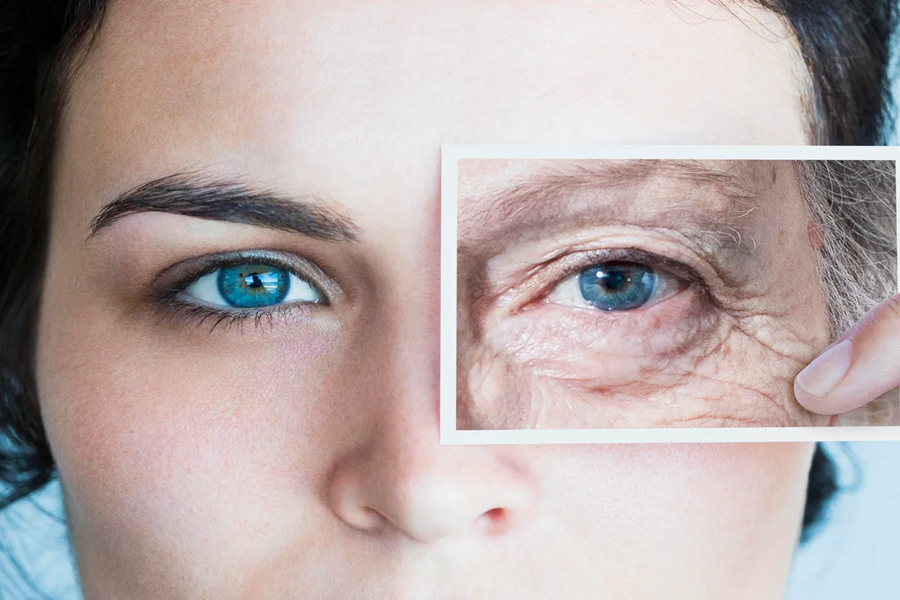
Get Tips & Tricks For Healthy Eyes
Practice the 20-20-20 Rule
Prolonged screen time can strain your eyes, leading to discomfort or fatigue. To reduce eye strain:
- Every 20 minutes, look away from your screen.
- Focus on something at least 20 feet away.
- Hold your gaze for 20 seconds before returning to work.
This method helps relax the eye muscles and prevents digital eye strain, a common issue in today’s digital era.
Maintain Good Lighting
Proper lighting minimizes strain on your eyes during activities like reading or working. Consider these tips:
- Use soft, evenly distributed light instead of harsh glare.
- Position light sources behind you when reading to prevent shadows on the page.
- Avoid working in dimly lit environments for extended periods of time.
Avoid Rubbing Your Eyes
Rubbing your eyes might seem harmless, but it can transfer dirt and bacteria to sensitive areas, potentially leading to irritation or infections like conjunctivitis. If you feel discomfort, opt for artificial tears or gently rinse with clean water instead of rubbing.
Blink More Often
When focusing on tasks for long periods (e.g., using a computer), people tend to blink less frequently, causing dryness in their eyes:
- Make a conscious effort to blink every few seconds when concentrating on screens or documents.
- If dryness persists, consider lubricating eye drops recommended by an ophthalmologist.
Manage Screen Time Wisely
If you regularly spend several hours using digital devices:
- Adjust the brightness of screens to match ambient lighting.
- Increase font sizes to make reading easier.
- Keep screens at arm's length (about 25 inches) from your face.
Quit Smoking
Smoking contributes significantly to various age-related vision problems like cataracts and macular degeneration:
- Reduce smoking gradually if quitting all at once feels overwhelming.
- Seek professional help or join support programs designed specifically for smoking cessation.
Adopting these everyday practices can go a long way toward safeguarding your vision as you age while promoting overall eye comfort and clarity.
Common Age-Related Eye Problems
As we age, our eyes undergo natural changes that can affect vision and overall eye health. While some of these changes are a normal part of aging, others may signal more serious conditions. Understanding common age-related eye problems can help you identify potential issues early and take proactive steps to maintain healthy eyes.
1. Presbyopia
Presbyopia is the gradual loss of the eye’s ability to focus on close objects. It typically begins in your 40s and is considered a normal aging process of the lens losing its flexibility. Symptoms include difficulty reading small print or needing to hold objects farther away to see them clearly.
How to manage presbyopia:
- Use reading glasses or contact lenses designed for near vision. - Consider multifocal lenses or progressive lenses for seamless transition between distances. - Discuss surgical options like LASIK with an eye care professional if appropriate.
2. Cataracts
Cataracts occur when the lens of the eye becomes cloudy, leading to blurred or dimmed vision. They develop gradually over time and are one of the most common causes of vision loss in older adults.
Preventive tips:
- Protect your eyes from UV rays by wearing sunglasses with 100% UV protection. - Maintain a healthy diet rich in antioxidants (e.g., leafy greens, carrots). - Avoid smoking, as it increases the risk of cataracts.
3. Glaucoma
Glaucoma is a group of diseases that damage the optic nerve, often due to increased pressure inside the eye. Left untreated, it can lead to permanent vision loss or blindness.
Risk reduction strategies:
- Schedule regular checkups with an ophthalmologist for early detection. - Use prescribed medications as directed if diagnosed with glaucoma. - Keep conditions like diabetes and high blood pressure under control.
4. Age-related Macular Degeneration (AMD)
AMD affects the macula — a part of the retina responsible for sharp central vision. This condition can result in blurred or distorted central vision, making tasks like reading or recognizing faces difficult.
Steps to support macular health:
- Consume foods high in omega-3 fatty acids and lutein (e.g., fish, spinach).
- Avoid smoking and limit exposure to blue light from digital screens. - Use magnifying devices for improved functionality if AMD develops.
5. Dry Eye Syndrome
Dry eyes become more common as tear production decreases with age. This condition may cause redness, irritation, and sensitivity to light.
Ways to alleviate dry eyes:
- Use artificial tears or moisturizing eye drops regularly. - Increase indoor humidity levels during dry weather. - Take breaks during screen time activities by following the 20/20/20 rule: every 20 minutes, look at something at least 20 feet away for 20 seconds.
Summary Table: Common Age-related Conditions
Condition | Main Symptom | Preventive Action |
Presbyopia | Difficulty focusing on close objects | Use reading glasses; discuss corrective options |
Cataracts | Blurred/dimmed vision | Wear UV-blocking sunglasses; eat antioxidant-rich food |
Glaucoma | Vision loss starting at edges | Regular eye exams; manage overall health |
Age-related Macular Degeneration (AMD) | Loss of central vision | Eat nutrient-rich food; avoid smoking |
Dry Eye Syndrome | Irritated/red eyes | Apply artificial tears; follow screen break rules |
Regular attention to these conditions can reduce their impact on quality of life while helping preserve your eyesight over time. Adopting healthier habits now will pay dividends later in maintaining lifelong visual health.
Protect Your Eyes with Safety Glasses
As we age, it becomes increasingly important to protect our eyes from potential injuries or harm. Safety glasses are a simple yet highly effective tool to safeguard your vision during various activities where there’s a risk of eye damage. Whether you’re working in your garden, handling DIY projects at home, or performing tasks in a professional setting, safety glasses can help reduce the chance of eye injuries.
When to Use Safety Glasses
DIY Projects: Tasks such as cutting wood, sanding surfaces, or using power tools can expose your eyes to sawdust, splinters, and sharp objects.
Gardening: Activities like trimming branches or mowing the lawn may cause dirt particles or plant debris to fly towards your face.
Chemical Use: Handling cleaning products or working with strong chemicals in industrial settings requires protective eyewear to prevent harmful substances from reaching your eyes.
Sports and Recreational Activities: Certain sports like racquetball and cycling may involve fast-moving objects or wind exposure that could harm your eyes.
Features to Look For in Safety Glasses
Feature | Description |
Durable Material | Polycarbonate lenses are impact-resistant and provide excellent durability. |
UV Protection | Some safety glasses offer additional protection against harmful UV rays. |
Anti-Fog Coating | Prevents lenses from fogging up during prolonged use in humid conditions. |
Comfortable Fit | Adjustable frames and padded nose bridges ensure long-term wearability. |
Side Shields | Provides additional coverage by protecting the sides of the eyes as well. |
Tips for Caring for Your Safety Glasses
Clean lenses regularly using a microfiber cloth and lens cleaner to remove smudges or dirt.
Store them in a protective case when not in use to prevent scratches.
Inspect them periodically for visible damage such as cracks or loose parts; replace if necessary.
Avoid exposing them to extreme temperatures that may warp or weaken the material.
Investing in high-quality safety glasses and wearing them consistently during risky activities is a proactive step toward maintaining healthy eyesight as you age. Even brief exposure to hazards can lead to lasting damage, so make protective eyewear an essential part of your routine when needed.
By prioritizing eye protection through tools like safety glasses, you’ll reduce the risk of injury while preserving your vision for years to come—an invaluable benefit as you age gracefully with healthy eyes.
Protect Your Eyes with Safety Glasses
Safeguarding your vision through the use of safety glasses is a critical step in maintaining eye health, especially as you age. Many everyday activities, hobbies, and work environments can expose your eyes to potential hazards. By wearing appropriate protective eyewear, you significantly reduce the risk of injury or long-term damage to your eyes.
When Should You Wear Safety Glasses?
Home Improvement Projects: Activities like drilling, sawing, or hammering can produce flying debris, which may harm your eyes.
Sports and Recreational Activities: High-impact sports such as racquetball or woodworking hobbies often involve risks of sudden impact to the face.
Gardening and Yard Work: Mowing the lawn, trimming bushes, or using leaf blowers may expose your eyes to dust, dirt particles, or small flying objects.
Work Environments: Certain jobs in construction, manufacturing, or laboratories often involve exposure to chemicals, dust particles, and sharp objects that pose risks.
Types of Safety Glasses
Type | Features | Suggested Use |
Impact-resistant lenses | Made with polycarbonate material for durability | Construction work or sports |
Wraparound styles | Provide side protection from debris and harmful particles | Woodworking projects or mechanic tasks |
UV-protective safety glasses | Shield eyes from harmful ultraviolet rays | Outdoor activities under strong sunlight |
Chemical splash goggles | Offer full coverage and seal around your eyes | Laboratory work involving chemicals |
Tips for Using Safety Glasses Effectively
Ensure Proper Fit: Glasses should sit snugly on your face without slipping but not cause discomfort.
Inspect Regularly: Check for scratches or damage that could impair visibility or compromise protection.
Clean After Use: Use a soft cloth and lens cleaner to remove smudges and maintain clear vision.
Select Certified Products: Look for certifications indicating compliance with high-quality standards (e.g., ANSI Z87 certification).
Additional Considerations
If you already wear prescription eyeglasses daily but need additional protection during certain tasks, consider investing in prescription safety glasses or over-the-glasses protective eyewear.
By taking these precautions and incorporating safety glasses into appropriate activities throughout your life stages, you support better long-term eye health while reducing risks of preventable injuries.
Stay Hydrated
Maintaining proper hydration is essential for overall well-being, and your eyes are no exception. When your body is dehydrated, it can lead to symptoms such as dry eyes, irritation, or discomfort. As you age, keeping your eyes adequately hydrated becomes even more critical to avoid complications that could impact your vision and general eye health.
Why Staying Hydrated Is Important for Eye Health
Tear Production: Proper hydration helps the body produce an adequate volume of tears. Tears are essential for keeping the surface of the eye moist and preventing dryness or irritation.
Eye Lubrication: Dehydration can reduce the lubrication needed to maintain clear vision and comfort throughout the day.
Prevention of Dry Eye Syndrome: Chronic dehydration may contribute to conditions like dry eye syndrome, where the eyes fail to produce enough tears or quality tears.
Practical Tips to Stay Hydrated
Aim for at least 8 cups (64 ounces) of water per day as a general guideline.
Adjust water intake based on factors such as climate, activity level, and health needs.
Fruits and vegetables with high water content can support hydration levels. Some examples include: | Food | Approximate Water Content | |--------------------|---------------------------| | Cucumber | 95% | | Watermelon | 92% | | Zucchini | 94% | | Strawberries | 91% |
Reduce consumption of beverages like coffee, tea, or alcohol that may have diuretic effects and increase fluid loss.
Dry indoor air can contribute to dehydration and exacerbate dry eyes. Using a humidifier helps maintain optimal moisture in the air.
Set reminders to drink water periodically throughout the day, particularly if you tend to forget when busy.
Signs You May Be Dehydrated
It’s important to recognize early signs of dehydration before it affects your eyes or other functions: - Dryness or grittiness in your eyes
- Blurred vision caused by inadequate tear production
- Fatigue or dizziness
- Dark-colored urine, which indicates low hydration levels
By prioritizing proper hydration as part of your daily routine, you not only support healthier vision but also enhance other aspects of physical wellness over time.
See An Ophthalmologist Regularly
Regular visits to an ophthalmologist are a fundamental part of maintaining healthy eyes as you age. Eye health can deteriorate gradually, and often, significant conditions present minimal or no symptoms in their early stages. Routine eye exams can help detect these issues early and provide effective management strategies to preserve your vision.
Benefits of Regular Eye Exams
Early Detection of Eye Diseases: Many eye conditions, such as glaucoma or macular degeneration, can develop silently over time. Regular check-ups allow for early diagnosis, which is crucial for slowing disease progression.
Vision Correction Updates: Your vision changes as you age. Routine visits ensure that your glasses or contact lens prescription is up-to-date and tailored to meet your current needs.
Monitoring Overall Health: The eyes can provide clues about systemic health conditions like diabetes or hypertension. An ophthalmologist may detect signs of these conditions during an exam and recommend further evaluation if necessary.
Preventive Care Guidance: Your eye doctor can offer personalized advice on how to protect your vision and maintain eye health based on your lifestyle and risk factors.
How Often Should You Visit an Ophthalmologist?
Age Group | Recommended Frequency |
Under 40 Years | Every 2-4 years (or as directed by your doctor) |
40-64 Years | Every 1-3 years |
65+ Years | Annually (or more frequently if recommended) |
Individuals with specific risk factors—such as a family history of glaucoma or diabetes—should consult their ophthalmologist about more frequent evaluations.
What To Expect During an Eye Exam?
Vision Testing: Determines whether you need corrective lenses or an updated prescription.
Eye Pressure Check: Measures intraocular pressure to screen for glaucoma.
Retinal Examination: Evaluates the back of the eye for signs of damage or disease.
Visual Field Test: Checks peripheral (side) vision.
Pupil Dilation: Provides a detailed view of internal structures like the retina and optic nerve.
Preparing for Your Appointment
To make the most out of your visit: - Write down any symptoms you've noticed, even if they seem minor. - Bring a list of current medications and supplements you take. - Note any family history of vision problems or medical conditions.
Taking proactive steps by seeing an ophthalmologist regularly is essential for maintaining eyesight and addressing potential concerns promptly—even before symptoms appear. This simple habit could make all the difference in preserving clear vision throughout aging stages while enhancing overall quality of life through attentive care practices over time.
See An Ophthalmologist Regularly
Regular eye exams are essential for maintaining optimal eye health, particularly as you age. Many age-related eye conditions can develop slowly, often without noticeable symptoms in their early stages. By seeing an ophthalmologist regularly, these conditions can be detected early and managed effectively to preserve your vision.
Benefits of Regular Eye Exams
Early Detection: Many common eye issues like cataracts, glaucoma, and macular degeneration can progress silently. Routine check-ups allow your ophthalmologist to identify these problems before they significantly impair vision.
Monitoring Vision Changes: Your visual needs often change with age. Regular exams ensure that any adjustments to your prescription for glasses or contact lenses are made promptly.
Overall Health Indicator: Eye exams not only evaluate your vision but also provide clues about other health conditions such as diabetes or high blood pressure, which can affect the eyes.
Recommended Frequency of Eye Exams
Age Range | Recommended Frequency |
Under 40 | Every 2-4 years |
40-54 | Every 2-3 years |
55-64 | Every 1-2 years |
65 and older | Annually |
Those with pre-existing conditions like diabetes or a family history of glaucoma may need more frequent visits as recommended by their healthcare provider.
What To Expect During an Eye Exam
A comprehensive ophthalmology exam typically includes: - Review of Medical History: Discussion of personal and family medical history related to vision and overall health. - Visual Acuity Test: Measures the clarity of your vision using an eye chart. - Refraction Test: Determines whether you need corrective lenses or if your current prescription needs updating. - Eye Pressure Measurement: Assesses intraocular pressure to screen for glaucoma. - Dilated Eye Exam: Allows the doctor to examine the retina and optic nerve in detail.
How To Prepare for Your Visit
To get the most out of your appointment: 1. Bring a list of any medications you’re taking. 2. Note any changes in vision or symptoms you've experienced recently (e.g., blurry vision, floaters). 3. Be prepared to discuss family history related to eye diseases.
Making regular visits to an ophthalmologist a priority not only protects against potential vision loss but also helps maintain long-term quality of life through healthy eyesight.


© 2026 Memorial Vision - All Rights Reserved - Privacy Policy - Accessibility Statement
Powered by
