
How to Get Rid Of a Stye Safely & Properly

How to Get Rid Of a Stye Safely & Properly

How to Get Rid Of a Stye Safely & Properly

How to Get Rid Of a Stye Safely & Properly

How to Get Rid Of a Stye Safely & Properly

How to Get Rid Of a Stye Safely & Properly

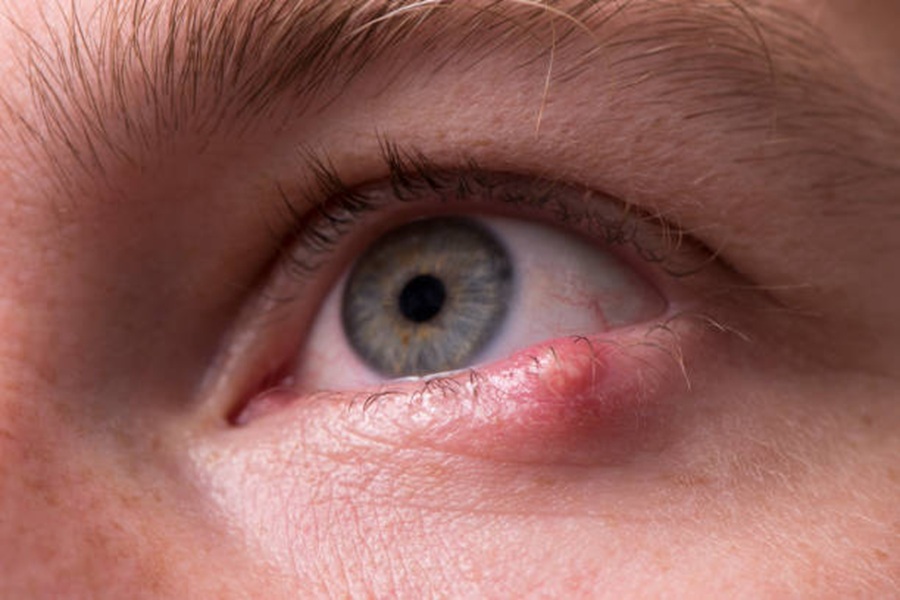
So, What Is A Stye?
Staphylococcus aureus. Styes can appear on either the upper or lower eyelid and may sometimes resemble a pimple. While generally harmless, they can cause discomfort and irritation.
External Stye: This type develops at the base of an eyelash due to a blocked follicle or gland. They’re more common and appear as red, swollen bumps on the outer edge of the eyelid.
Internal Stye: This occurs on the inner side of the eyelid when oil-producing glands (meibomian glands) become infected. These can sometimes be more painful than external styes but are less visible externally.
Common Symptoms of a Stye:
A red lump on the eyelid that is tender to touch
Swelling around the affected area
Pain or irritation in the eye
Sensitivity to light
Excessive tearing
A feeling that something is stuck in your eye
It’s important to differentiate between a stye and other eye conditions like chalazions (which are painless lumps caused by clogged oil glands) or general inflammation.
Causes of Styes:
- Blepharitis (inflammation at the base of eyelashes)
Understanding what a stye is can help you better identify its symptoms early on and take appropriate steps for treatment at home or with professional guidance if necessary.
How to Get Rid Of a Stye Faster
A stye can be an uncomfortable and unsightly condition, but there are steps you can take to help alleviate symptoms and promote faster healing. Below are practical and safe methods for addressing a stye effectively.
Warm Compresses
Applying a warm compress is one of the most effective ways to speed up the healing process for a stye. The warmth helps improve circulation in the affected area, which can promote drainage of the blocked gland.
Soak a clean cloth or cotton pad in warm (not hot) water.
Wring out any excess water so the cloth is damp, not dripping.
Gently place the cloth over your closed eyelid for 10–15 minutes.
Repeat this process 3–5 times daily.
This method helps reduce swelling and encourages any pus or discharge in the stye to drain naturally.
Maintain Proper Hygiene
Avoid rubbing or squeezing the stye, as this can worsen inflammation or spread infection.
Cleanse your eyelids gently with mild soap (such as baby shampoo) diluted in warm water if needed.
If you wear contact lenses, switch to glasses until the stye heals to avoid further irritation.
Avoid Makeup and Eye Products
These items may introduce additional bacteria and delay healing. Additionally, avoid sharing makeup with others during this time.
Massage Technique
Use clean fingers or a cotton swab.
Gently massage near—but not directly on—the stye in circular motions for about one minute after applying a warm compress.
Stop immediately if it causes discomfort or pain.
Stay Hydrated and Rest Well
Drink plenty of water throughout the day.
Aim for at least seven hours of sleep each night to support immune function.
Incorporate nutrient-rich foods into your diet, particularly foods high in vitamins A and C.
Avoid Popping It
While it may be tempting to try removing built-up fluid from a stye manually, popping it can cause further irritation, infection, and delayed healing. Stick with natural methods that encourage safe drainage through gentle heat application instead.
By following these steps consistently, many individuals find their symptoms improve within days without complications. However, if discomfort persists or worsens despite these efforts, seek advice from an eye care professional for further evaluation.
How to Get Rid Of a Stye Faster
A stye, while typically harmless, can be uncomfortable and irritating. Below are practical tips and methods to help get rid of a stye faster in a safe and effective way.
A warm compress is one of the most effective ways to manage a stye and promote quicker healing. The heat helps increase blood circulation to the area, which can encourage the stye to drain naturally.
Soak a clean cloth or cotton pad in warm (not hot) water.
Wring out excess water so it’s damp but not dripping.
Gently press it on the affected eyelid for about 10-15 minutes.
Repeat this process three to four times daily.
Make sure you use a fresh, clean compress each time to avoid introducing bacteria that could worsen the situation.
Proper hygiene is critical when dealing with an active stye. Cleanliness can help prevent further irritation or infection.
Use a gentle, non-irritating cleanser designed for sensitive skin or specifically for eyelid care.
If you wear makeup, avoid using any until the stye has completely healed.
You may also consider gently cleaning your eyelids with diluted baby shampoo or pre-moistened eyelid wipes designed for sensitive skin.
It might be tempting to squeeze or pop a stye in an effort to drain it faster, but this should be avoided at all costs. Doing so can spread bacteria, potentially prolonging the infection or causing complications.
Allow the stye to drain naturally through consistent use of warm compresses. If it becomes excessively painful or does not resolve after several days, seek professional attention instead of trying self-intervention methods.
If you experience discomfort from swelling or tenderness associated with your stye, over-the-counter pain relievers such as acetaminophen or ibuprofen may help reduce pain and inflammation. Always use these medications as directed on their packaging.
Your body’s natural immune response plays an important role in healing infections like styes.
Nutrient | Foods | Benefit |
Vitamin C | Oranges, strawberries | Supports immune function |
Zinc | Nuts, seeds | Promotes tissue repair |
Vitamin A | Carrots, sweet potatoes | Maintains eye health |
Couple good nutrition with adequate rest—this allows your body more energy for recovery processes.
Key Reminders:
Avoid wearing contact lenses until the stye resolves completely.
Refrain from sharing towels or pillowcases while managing an active stye.
Do not rub your eyes as this may irritate them further and spread bacteria.
By following these approaches carefully and consistently, you may be able to alleviate symptoms more quickly while promoting safe healing practices for your eye health overall. If symptoms persist despite home care efforts—or if they worsen—seek advice from an eye care professional promptly.
Applying Warm Compresses
Applying warm compresses is a simple and effective way to manage a stye. This method helps reduce discomfort, promotes drainage, and speeds up the healing process. A stye occurs when an oil gland near the base of your eyelashes becomes infected or blocked. Using warm compresses can help by softening the area and encouraging natural drainage of the clogged gland.
How to Use a Warm Compress
Soak a clean cloth or towel in warm water.
Ensure the water is not too hot to avoid burns—lukewarm temperatures work best.
Wring out excess water so it isn’t dripping.
Gently place the warm cloth over your closed eyelid where the stye is located.
Let it sit for 10-15 minutes at a time.
Re-wet the cloth as needed to maintain warmth.
Perform this process three to four times daily for optimal results.
Benefits of Warm Compresses
Reduces Swelling: The warmth can minimize any swelling caused by the stye.
Promotes Drainage: Heat encourages trapped oils or pus within the stye to drain naturally.
Relieves Pain: The gentle warmth can soothe irritation and discomfort around your eyelid.
Tips for Safe Use
Always use a clean cloth or towel for each application to avoid introducing bacteria that could worsen the condition.
Avoid pressing too hard on the affected area—gentle pressure is sufficient.
What If You Don’t See Improvement?
If you notice no improvement after several days of consistent use of warm compresses, consider consulting with an eye care professional for further evaluation or treatment options.
By incorporating this practice into your routine, you’re giving your body an opportunity to heal while reducing discomfort associated with a stye.
Applying Warm Compresses
Using a warm compress is one of the most effective and commonly recommended methods to alleviate discomfort and promote healing when dealing with a stye. Warm compresses work by encouraging blood circulation to the affected area, which helps drain the clogged gland causing the stye. Additionally, they can reduce tenderness, swelling, and irritation around the eye.
How to Use a Warm Compress for a Stye
Use a clean cloth or cotton pad for hygiene purposes. This minimizes the risk of introducing bacteria to the already sensitive area.
Ensure that the water you use is clean and at an appropriate temperature—not too hot—to prevent burns or further irritation.
Soak your clean cloth in warm (not boiling) water.
Wring out any excess water to avoid dripping into your eye.
Place the warm compress gently over your closed eyelid where the stye is located.
Avoid applying pressure directly on the stye; instead, rest it lightly on the eyelid.
Leave it on for 10-15 minutes.
Repeat this process 3-4 times daily until symptoms improve.
Always use a fresh cloth for each session.
Do not share compresses with others to prevent spreading bacteria.
Tips for Effective Use of Warm Compresses
Consistency Is Key:Regular application is essential to promote drainage and reduce inflammation effectively. Missing sessions can delay healing.
Check Water Temperature Carefully:Test it on your wrist before application. Water that’s too hot can damage delicate skin around your eyes.
Step | Details | Frequency |
Prepare Cloth | Clean cloth + warm water | Each session |
Apply | Hold gently over closed eyelid | 10–15 minutes |
Repeat | Multiple times per day | 3–4 sessions/day |
Benefits of Using Warm Compresses
Promotes natural drainage of oil glands
Relieves discomfort caused by swelling
Reduces redness and irritation
Can speed up recovery time if used regularly
Using warm compresses as part of stye care is a gentle yet effective approach, especially when combined with other self-care practices like good hygiene and avoiding eye makeup until healing occurs completely.
How to Prevent a Stye From Worsening
Preventing a stye from worsening is important to aid in faster healing and to avoid further discomfort. Here are some practical tips you can follow to minimize irritation and support recovery.
Maintain Proper Hygiene
Good hygiene is critical when dealing with a stye.
- Wash your hands regularly: Avoid touching your eyes with dirty hands. Use soap and warm water to clean your hands before applying any treatment or touching the affected area.
- Use clean towels: Always pat-dry your face with a clean, soft towel, as reusing unwashed towels can transfer bacteria.
- Avoid sharing personal items: Do not share washcloths, pillowcases, or eye makeup products with others while you have a stye.
Avoid Squeezing or Popping the Stye
Though it may be tempting to squeeze or attempt to pop the stye, doing so can lead to more inflammation or spread infection. Allow the stye to drain naturally as it heals.
Hold Off on Makeup and Contact Lenses
Using makeup or contact lenses while you have a stye can introduce bacteria into the affected area or increase irritation.
- Pause eye makeup: Avoid using mascara, eyeliner, or eyeshadow until the stye has fully healed. These products may irritate the eyelid further.Replace old products: If you've used makeup near your eye while having a stye, consider replacing it afterward since bacteria could remain on applicators.Switch from contacts to glasses temporarily: If you wear contact lenses, switch to glasses during this time to reduce strain on the infected eyelid and prevent contamination.
Apply Warm Compresses Gently
Consistently applying warm compresses can help alleviate symptoms and speed up healing without causing additional harm. To prevent worsening of the condition: - Use a freshly cleaned cloth each time. - Ensure that water is not too hot; lukewarm temperatures work best. - Apply gentle pressure for 10–15 minutes up to three times daily.
Rest Your Eyes
Resting your eyes helps minimize strain that could irritate the eyelid further: - Limit screen time if possible. - Take regular breaks when reading or working on digital devices.
Watch for Signs of Complications
While most styes resolve without complications within 1–2 weeks, monitoring its progress is essential: - Look out for increased swelling. - Watch for pain that worsens over time. If symptoms persist beyond two weeks despite proper care, seek professional advice from an ophthalmologist.
Taking these steps will help mitigate discomfort while promoting recovery efficiently.
When Should You Visit Your Ophthalmologist?
Persistent Symptoms
If your stye does not show signs of improvement within a week or worsens despite proper care, it may require evaluation. Signs to watch for include: - Continued swelling or redness. - Increasing pain or discomfort. - Lack of drainage from the stye when it appears mature.
Excessive Swelling
In some cases, the swelling from a stye may extend to other parts of the eyelid or surrounding areas, potentially obstructing vision. If this happens, it’s important to consult an ophthalmologist promptly.
Recurrent Styes
If you experience frequent occurrences of styes, this could indicate an underlying condition such as: - Chronic blepharitis (inflammation of the eyelids). - Meibomian gland dysfunction. - A weakened immune system. An ophthalmologist can help diagnose and manage these underlying issues.
Vision Changes
While rare, a stye or associated inflammation could affect your vision. Blurriness or difficulty seeing clearly should always be addressed by a professional.
Signs of Infection
A more serious infection could develop if the bacteria causing the stye spread to other areas. Seek medical attention immediately if you notice: - Fever. - Intense redness spreading around the eye. - Significant pain beyond normal levels expected for a stye.
Differential Diagnosis
Sometimes what appears to be a stye could actually be another condition like: - Chalazion: A painless lump caused by blocked oil glands. - Sebaceous gland carcinoma: A rare but serious type of cancer in the eyelid gland.
An ophthalmologist can distinguish between these conditions through examination.
How an Ophthalmologist May Help
1. Drainage Procedure
For larger or painful styes that do not drain naturally, your doctor may perform a minor in-office procedure to carefully drain it under sterile conditions.
2. Prescription MedicationsIn some cases, prescription-strength antibiotic ointments or oral antibiotics might be necessary—especially if secondary infection is suspected.
3. Treatment for Underlying CausesIf recurrent issues are present, your doctor may recommend long-term strategies like proper eyelid hygiene routines or medications tailored to chronic conditions.
Keeping Track of Symptoms
To help your doctor during your visit and get appropriate care quickly: 1. Note when symptoms started and how they’ve progressed. 2. Keep track of any treatments you've tried at home (e. g. , warm compresses) and their effectiveness. 3. Record any additional symptoms such as fever or visual disturbances.
By monitoring changes closely and seeking professional care when needed, you can ensure effective management while minimizing complications associated with persistent or recurrent styes.


© 2026 Memorial Vision - All Rights Reserved - Privacy Policy - Accessibility Statement
Powered by
