
How Long Does Pink Eye Last? Viral Vs. Bacterial

How Long Does Pink Eye Last? Viral Vs. Bacterial

How Long Does Pink Eye Last? Viral Vs. Bacterial

How Long Does Pink Eye Last? Viral Vs. Bacterial

How Long Does Pink Eye Last? Viral Vs. Bacterial

How Long Does Pink Eye Last? Viral Vs. Bacterial

Learn The Difference Between The Two
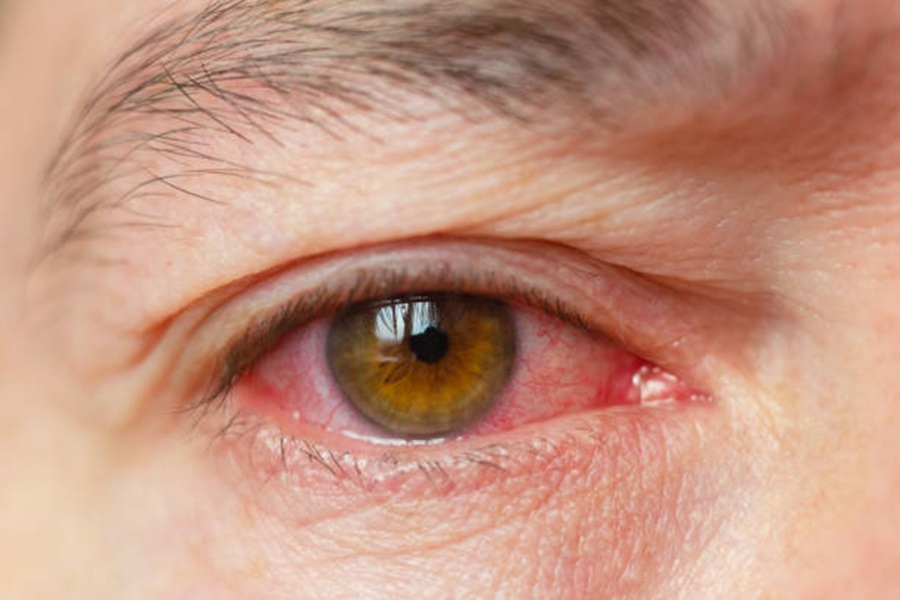
Pink eye, also known as conjunctivitis, is a common condition that affects the conjunctiva—the thin, clear tissue covering the white part of the eye and inside of the eyelids. It can be caused by several factors, but viral and bacterial infections are two of the most frequent causes.
Key Differences: Viral vs. Bacterial
Viral pink eye is typically caused by viruses like adenoviruses or those associated with colds or respiratory infections.
Bacterial pink eye is caused by bacteria such as Staphylococcus aureus, Streptococcus pneumoniae, or Haemophilus influenzae.
Viral conjunctivitis spreads easily through contact with infected surfaces, respiratory droplets, or close personal contact (like shaking hands).
Bacterial conjunctivitis can spread through direct contact with contaminated hands, objects, or through shared personal items like towels.
Symptoms of viral pink eye often last from 7 to 14 days but may persist longer in some cases.
Bacterial pink eye symptoms tend to clear up within a week when treated appropriately.
Visual Presentation
Feature | Viral Pink Eye | Bacterial Pink Eye |
Discharge | Watery, thin discharge | Thick yellow or green discharge |
Redness | Generalized redness | Intense redness |
Swelling | Mild swelling | Moderate to severe swelling |
Onset | Gradual onset | Sudden onset |
Additional Symptoms | Tearing, itchy eyes | Crustiness around eyelids |
Severity and Contagiousness
Both types are highly contagious; however, viral forms are often more challenging to contain because they can spread more easily through sneezing or coughing. While mild cases of either type may resolve on their own (especially viral), severe symptoms warrant medical guidance.
Understanding these distinctions ensures better awareness about how each type progresses and how it might be managed effectively.
Differences Between Viral and Bacterial Pink Eye
Pink eye, also known as conjunctivitis, can have different causes, with viral and bacterial infections being the most common. Understanding the distinctions between these two types is key to managing symptoms and choosing an appropriate treatment approach.
Cause
Viral Pink Eye: Caused by viruses such as adenoviruses or sometimes those associated with upper respiratory infections like the common cold.
Bacterial Pink Eye: Caused by bacteria such as Staphylococcus aureus, Streptococcus pneumoniae, or Haemophilus influenzae.
Mode of Transmission
Viral: Highly contagious; spreads through direct contact with infected eye discharge, respiratory droplets, or contaminated surfaces like towels or eye makeup.
Bacterial: Also contagious but often spreads through direct touch, exposure to infected surfaces, or contaminated hands coming into contact with the eyes.
Onset and Progression
Viral: Symptoms may come on gradually over a few days and often coincide with other symptoms such as cough or nasal congestion.
Bacterial: Symptoms can develop rapidly, often within 24–48 hours of exposure to bacteria.
Discharge Characteristics
One key difference lies in the type of discharge from the eyes:
| Feature | Viral Pink Eye | Bacterial Pink Eye |
|-----------------------|--------------------------|-------------------------|
| Discharge Appearance | Watery or clear | Thick, yellowish-green |
| Amount | Minimal | Often abundant |
Redness and Irritation
Both types cause redness in the whites of the eyes; however:
- Viral Pink Eyetends to cause more watery eyes and irritation that feels similar to having sand in your eye.
- Bacterial forms, on the other hand, may lead to significant swelling along with sticky eyelids due to discharge buildup.
Duration of Symptoms
Without treatment:
- Viral pink eye can last anywhere from 4–7 days but may extend up to two weeks depending on severity.
- Bacterial pink eye typically resolves faster (2–5 days) if treated with antibiotics but might persist for up to 10 days if untreated.
When you notice signs of conjunctivitis, assessing these differences alongside any accompanying symptoms can help guide your next steps toward proper care or medical consultation where needed.
While it can be caused by allergies or irritants, it is often viral or bacterial in nature. Recognizing the signs and symptoms can help identify whether pink eye may be present and determine whether to seek professional care.
Redness: One of the hallmark signs, redness occurs due to increased blood flow in response to inflammation.
Irritation or Gritty Sensation: Many individuals describe a feeling similar to having sand in their eyes.
Excessive Tearing: Pink eye often causes watery discharge that may increase throughout the day.
Swelling Around the Eyes: Mild swelling in and around the eyelids can sometimes occur as a reaction to irritation or infection.
Signs Specific to Viral Pink Eye
Viral conjunctivitis typically develops alongside other symptoms often associated with viral infections, such as colds or upper respiratory illnesses.
Watery Discharge: The discharge is typically clear or slightly sticky rather than thick.
Itching: Itching is common with viral causes but tends to be less pronounced compared to allergic conjunctivitis.
Gradual Onset: Symptoms tend to develop slowly over several days, starting in one eye before spreading to the other.
Signs Specific to Bacterial Pink Eye
Thick, Yellowish-Green Discharge: This type of discharge often crusts along the eyelashes or corners of the eyes, especially after sleeping.
Eye Sticking Shut: The affected eyelids may stick together upon waking due to dried discharge.
One-Sided at First: While it can spread from one eye to another, bacterial infections typically begin in one eye only.
Symptom | Viral Conjunctivitis | Bacterial Conjunctivitis |
Redness | Yes | Yes |
Watery Discharge | Yes | Rare |
Thick/Colored Discharge | Rare | Yes |
Eyelid Sticking | Rare | Yes |
Itchiness | Mild | Uncommon |
Onset | Gradual | Sudden |
Additional Considerations
While these symptoms provide general guidance for identifying pink eye types, individual experiences may vary based on severity, immune response, or concurrent conditions (e. g. , allergies). Monitoring changes over time is important for determining next steps.
Recognizing these differences helps assess whether further treatment might be needed while maintaining proper hygiene practices such as handwashing during care routines where applicable.
When to Seek Medical Attention
Pink eye, or conjunctivitis, is a common condition that often resolves on its own. However, there are certain situations where seeking medical attention is recommended. Understanding when to consult a healthcare provider can help address complications and ensure proper care.
Signs You Should Consult a Healthcare Professional
Severe Pain or Discomfort: If you experience significant pain in the affected eye(s), it may point to a more serious issue beyond standard pink eye.
Vision Changes: Blurry vision, sensitivity to light (photophobia), or any noticeable changes in vision warrant prompt medical attention.
Persistent Symptoms: If your symptoms persist beyond one week without improvement, it may be time to consult a doctor for further evaluation.
Intense Redness: Extreme redness could signal an underlying condition that requires specialized treatment.
Thick Eye Discharge: A significant amount of yellow or green discharge often indicates bacterial conjunctivitis and may require prescription antibiotics.
Swelling Around the Eye: Significant swelling of the eyelids or surrounding areas should not be ignored.
Recurrent Infections: Frequent occurrences of pink eye could indicate an underlying issue such as allergies or other infections requiring further investigation.
Special Considerations for Infants and Children
Pink eye in infants and young children should always be evaluated promptly by a healthcare provider. Their developing immune systems make them more vulnerable, and some forms of conjunctivitis in this age group can lead to complications if left untreated.
Additional Risk Factors Requiring Medical Attention
Certain pre-existing conditions or circumstances increase the need for professional care: - Pre-existing immune system disorders - Recent exposure to someone with an infectious form of pink eye - Contact lens wearers who develop symptoms like redness, pain, or discomfort
What To Expect During A Medical Visit
When you visit a health professional for pink eye concerns: 1. They will evaluate your symptoms through questions and an examination of your eyes. 2. In some cases, they may take a sample of discharge from your eyes for testing to confirm whether the cause is viral, bacterial, or allergic. 3. Based on their findings, they’ll recommend treatment options tailored to your specific diagnosis (e. g. , antiviral medication for severe viral cases, antibiotics for bacterial infections).
Taking note of these guidelines helps ensure timely intervention if needed while avoiding unnecessary worry over mild cases likely to resolve on their own with proper care at home.
When to Seek Medical Attention
Pink eye (conjunctivitis) is a common eye condition that often resolves on its own. However, there are certain situations where seeking medical attention is essential to ensure proper care and prevent complications. Knowing when to consult a healthcare professional can make a significant difference in managing your symptoms effectively.
Signs You Should See a Doctor
Severe pain in the eyes: Persistent or intense discomfort could indicate a more serious underlying condition.
Vision changes: Blurred or decreased vision that doesn’t improve should not be ignored.
Thick green or yellow discharge: Especially if it causes your eyelids to stick together; this may suggest bacterial conjunctivitis that requires treatment.
Swelling around the eyes: Significant puffiness or redness extending beyond the eyeball might need professional evaluation.
Symptoms lasting longer than expected: If your pink eye does not improve after several days (typically within 7–10 days for viral cases), consult a healthcare provider.
Sensitivity to light (photophobia): Unusual sensitivity to light may indicate an issue beyond typical conjunctivitis symptoms.
Fever or general unwellness: Pink eye accompanied by systemic symptoms like fever may require further medical investigation.
Special Considerations for Contact Lens Wearers
If you wear contact lenses and develop pink eye symptoms, remove your lenses immediately and avoid wearing them until cleared by a healthcare provider. Contact lens users have an increased risk of corneal infections, which can mimic or complicate conjunctivitis symptoms.
Pain, redness, or irritation after lens use
A feeling that something is stuck in your eye (foreign body sensation)
Consistent tearing along with other symptoms
For Infants and Children
Children’s immune responses differ from adults’, and early intervention can prevent potential complications.
Eye redness accompanied by swelling around the orbit
Difficulty keeping their eyes open
Any discharge that looks abnormal for their age group
What Happens at the Doctor’s Visit?
Review your medical history and current symptoms.
Conduct an examination of your eyes using specialized equipment.
Recommend treatments such as prescription antibiotic drops for bacterial cases, lubricating drops for comfort, or antiviral medications if needed.
By understanding when professional care is necessary, you can take proactive steps toward ensuring optimal recovery and avoiding potential complications related to pink eye episodes.
Prevention Tips
Preventing pink eye, whether viral or bacterial, involves maintaining good hygiene practices and taking steps to minimize the spread of germs that can lead to infection.
Practice Good Hand Hygiene
Wash your hands frequently using soap and water for at least 20 seconds.
Use hand sanitizer with at least 60% alcohol if soap and water are unavailable.
Avoid touching your face, especially your eyes, nose, or mouth.
Avoid Sharing Personal Items
Do not share items like towels, washcloths, or bedding with others.
Refrain from sharing makeup products such as mascara or eyeliner.
If you wear contact lenses, avoid sharing lens cases or solutions.
Proper Contact Lens Care
Always wash your hands before inserting or removing contact lenses.
Clean lenses as instructed by your eye care professional and replace them as recommended.
Avoid wearing contact lenses while experiencing symptoms of pink eye unless advised otherwise by a healthcare provider.
Minimize Eye Contact
Refrain from rubbing or touching your eyes unnecessarily.
If you suspect you have pink eye, avoid close physical contact with others to prevent spreading the infection.
Clean and Disinfect Frequently Touched Surfaces
Regularly disinfect common surfaces such as doorknobs, countertops, electronic devices, and keyboards.
Launder pillowcases, sheets, and towels in hot water to eliminate potential bacteria or viruses.
Protect Yourself from Irritants
Certain environmental factors may increase the risk of irritation that can mimic pink eye symptoms. To reduce this risk: - Wear protective eyewear in dusty environments or during activities that expose your eyes to debris. - Limit exposure to allergens like pollen by keeping windows closed during high-pollen seasons.
Additional Recommendations for Schools & Workplaces
If you believe you have pink eye: 1. Stay home if advised by a healthcare professional to reduce the risk of spreading infection in public places. 2. Inform those around you so they can take precautionary measures without alarm.
By following these preventative measures consistently, individuals can help safeguard against both viral and bacterial conjunctivitis while promoting overall eye health.
Viral Conjunctivitis
Viral conjunctivitis, often referred to as "pink eye," is one of the most common types of eye infections and is caused by a virus. Unlike bacterial conjunctivitis, which results from a bacterial infection, viral conjunctivitis is typically associated with viruses that also cause upper respiratory infections, such as adenoviruses. This type of conjunctivitis is highly contagious and can spread easily in crowded areas or through close contact with infected individuals.
Common Symptoms of Viral Conjunctivitis
Symptoms of viral conjunctivitis often develop in one eye but may spread to the other.
- Redness: The eye may appear bloodshot due to inflammation in the blood vessels.
- Watery Discharge: Unlike bacterial pink eye, which produces thick, yellow-green discharge, viral pink eye usually leads to clear or watery fluid.
- Itching or Irritation: Mild itching and discomfort are common sensations.
- Swollen Eyelids: The eyelids may appear puffy or swollen.
- Sensitivity to Light (Photophobia): Bright light can cause discomfort for individuals with viral conjunctivitis.
How Long Does Viral Conjunctivitis Last?
In most cases, viral conjunctivitis resolves on its own within 7–14 days without medical intervention. However, more severe cases may persist for up to 3 weeks before the symptoms fully subside. Since this condition is self-limiting, meaning it resolves without treatment, supportive care is generally recommended during recovery.
Management of Viral Conjunctivitis
Use a cold compresson the affected eye(s) to soothe redness and swelling.
Avoid wearing contact lenses until all symptoms have cleared up.
Lubricating artificial tearscan help relieve dryness or itchiness.
Practice proper hand hygiene by washing your hands frequently to avoid spreading the infection.
Disinfect surfaces such as doorknobs and counters regularly if someone in your household has viral conjunctivitis.
Contagious Period
Individuals with viral conjunctivitis are most contagious while experiencing active symptoms such as redness, tearing, and discharge.
Avoid sharing personal items like towels or makeup.
Stay home from work or school until symptoms improve significantly.
Understanding these details about viral conjunctivitis can help you manage it effectively while minimizing its spread to others around you.


© 2026 Memorial Vision - All Rights Reserved - Privacy Policy - Accessibility Statement
Powered by
