
How Long Does Cataract Surgery Last? Permanent or Temporary?

How Long Does Cataract Surgery Last? Permanent or Temporary?

How Long Does Cataract Surgery Last? Permanent or Temporary?

How Long Does Cataract Surgery Last? Permanent or Temporary?

How Long Does Cataract Surgery Last? Permanent or Temporary?

How Long Does Cataract Surgery Last? Permanent or Temporary?

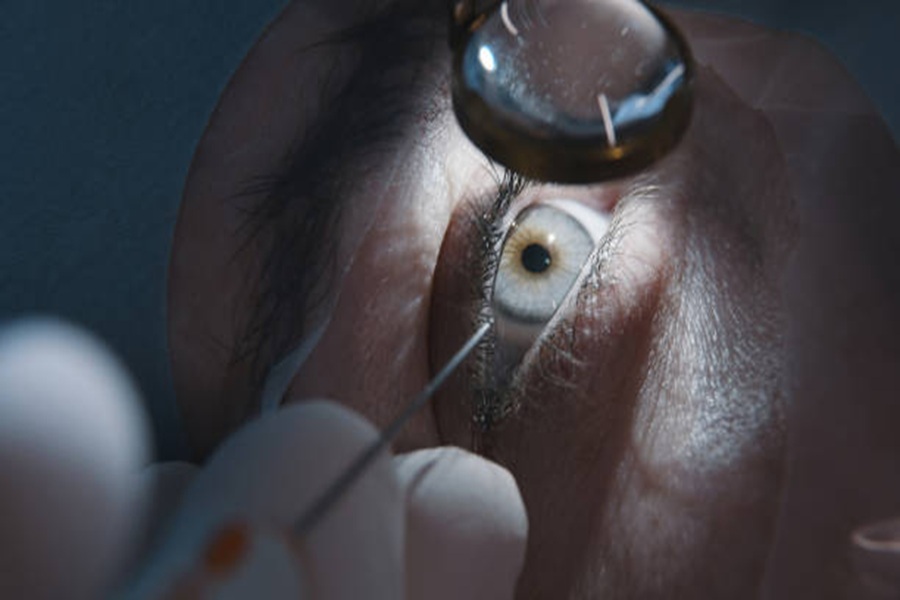
Find Out Whether Cataract Surgery Is a Permanent or Temporary Solution
Cataract surgery is one of the most common and effective procedures performed to restore vision impaired by cataracts. However, many people wonder whether the results of cataract surgery are permanent or temporary. Understanding this aspect can help patients make informed decisions and manage their expectations regarding the procedure.
What Happens During Cataract Surgery?
Cataract surgery involves removing the clouded natural lens of the eye and replacing it with an artificial intraocular lens (IOL). This replacement lens is designed to provide clear vision, similar to how a healthy natural lens would function. The procedure addresses the root cause of cataracts—the cloudy buildup on the lens—and typically requires no further intervention for that specific issue after surgery.
Are Cataracts Likely to Return?
Cataracts do not "grow back" after surgery because the affected natural lens is permanently removed. However, some patients may experience a condition called posterior capsule opacification (PCO) months or years after their procedure. This condition occurs when a membrane behind the artificial lens becomes cloudy, leading to blurry vision similar to what cataracts cause.
The good news is that PCO can be easily treated with a quick, non-invasive laser procedure called YAG laser capsulotomy. Once treated, vision generally returns to clarity without additional complications.
Factors That Contribute to Long-Term Results
While cataract removal itself is permanent, maintaining optimal vision depends on several factors:
- Type of Intraocular Lens (IOL):Premium lenses, such as multifocal or toric IOLs, offer additional benefits like correcting presbyopia or astigmatism but may not completely eliminate the need for glasses in all cases.Overall Eye Health:Conditions like glaucoma, macular degeneration, or diabetic retinopathy could affect overall visual outcomes even after successful cataract surgery.Lifestyle Choices:Protecting your eyes from excessive UV exposure and maintaining general health through proper diet and care may help preserve long-term eye health.
Key Takeaways About Permanency
Aspect | Details |
Lens Replacement | Artificial IOL replacement is permanent; cataracts cannot return |
Posterior Capsule Opacification (PCO) | A treatable side effect that may develop in some patients |
Vision Outcome | Long-term clarity depends on other eye conditions and overall health |
Although complications are rare, maintaining regular follow-up appointments with your eye care professional ensures any changes in vision are promptly addressed. Discussing expectations with your surgeon beforehand will also clarify how specific factors might influence your personal outcome.
Are the Results Temporary or Permanent
Cataract surgery is one of the most commonly performed and highly effective surgical procedures. For most patients, the results of cataract surgery are considered permanent. However, there are certain factors to understand regarding the longevity of the procedure and what may happen in the months or years following it.
Permanent Solution for Cataracts
When a cataract is removed, it does not grow back. During cataract surgery, the cloudy natural lens of your eye is replaced with an artificial lens called an intraocular lens (IOL). These lenses are designed to last a lifetime and do not degrade or wear out over time. This means that once a cataract has been treated through surgery, it typically does not return.
Factors That May Affect Long-Term Results
While cataracts themselves do not reappear after surgery, some patients may experience a condition known as posterior capsule opacification (PCO). This is sometimes referred to as a "secondary cataract," but it differs from true cataracts because it involves clouding of the membrane that holds the artificial lens in place. It can occur weeks, months, or even years after surgery.
Key points about PCO:
- Prevalence: Around 20–30% of patients develop PCO after cataract surgery.
- Treatment: The condition can be treated quickly and effectively with a non-invasive laser procedure known as YAG laser capsulotomy.
Apart from PCO, other age-related eye conditions—such as glaucoma and macular degeneration—can develop independently after cataract surgery but are unrelated to the success or failure of the procedure itself.
Lifestyle Considerations After Surgery
To maintain clear vision and protect your eyes in the long term:
- Regular Eye Exams: Schedule routine checkups with your eye doctor to monitor overall eye health.
- UV Protection: Wear sunglasses with UV protection to safeguard your eyes from potential damage caused by sunlight.
- Healthy Habits: Maintain a balanced diet rich in nutrients like vitamin A, C, and lutein to support overall vision health.
Factor | Impact on Surgery Results | Next Steps |
Posterior Capsule Opacification (PCO) | Can cause blurred vision post-surgery | Treatable with laser capsulotomy |
Other Eye Conditions | May affect vision over time | Regular screenings recommended |
The results of cataract surgery are overwhelmingly positive for most individuals seeking clearer vision and improved quality of life. Although certain conditions like PCO may develop later on, they are manageable and do not compromise the success of your initial treatment.
Are the Results Temporary or Permanent
Cataract surgery is widely regarded as one of the most effective and reliable procedures in modern medicine. For most individuals, the results of cataract surgery are considered permanent. Here’s an overview of why this is the case and factors that may influence long-term outcomes.
Why Cataract Surgery Is Often Permanent
Lens Replacement: During cataract surgery, the cloudy natural lens causing vision impairment is removed and replaced with an artificial intraocular lens (IOL). These artificial lenses are designed to last a lifetime without breaking down or being affected by age-related changes.
Non-Regenerative Nature of Cataracts: Once the natural lens causing a cataract is removed, it cannot regrow or develop again. This means that the primary cause of vision impairment addressed during surgery will not return.
Can Vision Changes Occur After Surgery?
While cataracts themselves do not return post-surgery, some individuals may experience changes in their vision over time.
PCO is sometimes referred to as a "secondary cataract" but isn’t the same as a true cataract recurrence.
It occurs when cells from the surrounding eye tissue grow on the back of the implanted lens capsule, leading to blurred or cloudy vision.
If this happens, it can typically be corrected with a simple outpatient laser procedure known as YAG laser capsulotomy.
Age-Related Eye Conditions: Other eye conditions unrelated to cataracts, such as macular degeneration or glaucoma, may develop with age and affect overall vision clarity. However, these conditions are distinct from issues related to cataracts or their surgical treatment.
Factors That Can Influence Long-Term Success
Type of Intraocular Lens (IOL): The choice of IOL plays a role in determining outcomes after surgery.
Monofocal lenses provide clear vision at one distance but may require glasses for other activities.
Multifocal or accommodative lenses can reduce dependence on glasses for near and far distances.
Individual Eye Health: Pre-existing eye conditions, like diabetic retinopathy or advanced glaucoma, might impact overall visual improvement after surgery.
Table: Key Differences Between Cataracts & PCO
Feature | Cataracts | Posterior Capsule Opacification (PCO) |
Cause | Clouding of natural lens | Cell growth on implanted lens capsule |
Onset | Gradual over years | May occur months/years post-surgery |
Treatment | Surgical removal | YAG laser capsulotomy |
Reoccurrence | Cannot recur once removed | Rarely occurs after treatment |
In summary, while cataract surgery provides permanent relief from cloudy vision caused by cataracts themselves, occasional follow-up treatments might be necessary for other related conditions like PCO. Maintaining regular eye exams can help monitor long-term visual health effectively.
How Does Cataract Removal Work
Cataract removal is one of the most common and effective surgical procedures performed to restore vision that has been impaired by cataracts. Cataracts occur when the lens of the eye becomes cloudy, typically as a result of aging or other factors such as diabetes, smoking, or prolonged exposure to UV rays. This cloudiness blocks light from properly reaching the retina, resulting in blurred or dimmed vision.
The Process of Cataract Surgery
Cataract surgery is a straightforward outpatient procedure that typically takes around 15–30 minutes per eye.
The patient’s eye is dilated using drops.
Local anesthesia is administered through drops or an injection to numb the area.
In some cases, mild sedation may be given to help the patient relax.
The surgeon makes a tiny incision in the cornea (the clear front part of the eye).
This incision allows access to the lens with minimal disruption to surrounding tissues.
A technique called phacoemulsification is often used.
In this process, an ultrasound probe breaks up (emulsifies) the cloudy lens into small fragments. These fragments are then gently suctioned out.
Alternatively, in some cases, manual extraction methods may be employed.
After removing the cloudy lens, an artificial intraocular lens (IOL) is inserted into its place.
The IOL is clear and serves as a permanent replacement for your natural lens, restoring clarity and focus.
Thanks to modern techniques and small incisions, stitches are usually not required.
The incision heals naturally over time.
Post-Surgery Recovery
While cataract surgery itself is quick, recovery may take several days to weeks for full visual clarity.
To avoid strenuous activities for at least a week.
To refrain from rubbing their eyes.
To use prescribed eye drops as directed by their surgeon to prevent infection and inflammation.
Techniques Used in Cataract Surgery
Technique | Description | Common Usage |
Phacoemulsification | Uses ultrasound waves to break up the lens before removal | Most frequently used method |
Manual Extracapsular Surgery | Removes larger sections of the lens manually; typically used when phacoemulsification isn’t suitable | Alternative for special cases |
Benefits of Cataract Removal
Rapid improvement in vision quality.
Reduced glare sensitivity.
Enhanced color perception.
Long-term correction with minimal need for future interventions related to cataracts.
Modern cataract removal techniques have high success rates with relatively few complications reported when proper care instructions are followed after surgery.
Early Warning Signs & Symptoms of Cataracts
Cataracts develop gradually and often go unnoticed in their early stages. However, identifying the signs and symptoms early can help with timely treatment and better outcomes.
Common Early Symptoms
Cloudy or Blurry Vision: Vision may appear hazy, almost as if looking through frosted glass.
Increased Sensitivity to Light: Bright light or glare from the sun or headlights may feel uncomfortable or overwhelming.
Difficulty Seeing at Night: Reduced clarity in low-light settings, especially while driving at night.
Halos Around Lights: Lights may appear surrounded by rings or halos, particularly noticeable in dim environments.
Fading of Colors: Colors may look duller or less vibrant than they used to be.
Gradual Progression of Symptoms
Cataract symptoms typically worsen over time as the lens becomes cloudier.
Stage | Description of Symptoms | Everyday Impact |
Early | Mild blurring, slight glare sensitivity | Minimal disruption to daily life |
Moderate | Noticeable clouding, difficulty with detailed tasks (e.g., reading) | Challenges with driving, reading fine print |
Advanced | Severe vision impairment, near-complete loss of clarity in affected eye(s) | Significant limitations in performing daily activities independently |
Risk Factors for Developing Cataracts
Age: The likelihood increases after age 60 but can start earlier.
Family History: A genetic predisposition might make cataracts more likely.
Smoking & Alcohol Use: Both have been linked to a higher risk due to oxidative stress on the eyes.
Eye Injuries or Surgeries: Trauma or previous surgeries might raise your risks.
When to See a Specialist
If you notice any combination of these symptoms affecting your quality of life—such as struggling with routine tasks like reading or driving—it’s essential to schedule an eye exam promptly.
Early detection plays a key role in managing cataracts effectively and exploring treatment options before vision impairment becomes severe.
Early Warning Signs & Symptoms of Cataracts
Cataracts develop gradually and can significantly impact vision over time. Recognizing the early signs and symptoms of cataracts is crucial for timely diagnosis and treatment. Below is a comprehensive overview of common indicators to help you better understand when it might be time to seek an evaluation from an eye care professional.
Common Early Symptoms of Cataracts
One of the earliest signs is a gradual blurring or clouding of vision, which may feel like looking through a foggy or frosted window. This change typically progresses slowly.
Bright lights, including sunlight or car headlights at night, may become glaring and uncomfortable. Some people also notice more pronounced halos around light sources.
Night vision often worsens in the early stages, making driving in low-light conditions more challenging.
Colors may appear less vibrant than before. Individuals sometimes describe their perception of colors as less vivid or "washed out.
A need for frequent updates to your eyeglass prescription could indicate cataract progression, as it alters how light is refracted through the lens.
Double vision (monocular diplopia) can occur when looking out of one eye, even if the other eye remains unaffected.
Less Common Symptoms
Cloudy Spots on the Eye's Lens: In certain cases, visible spots on the lens may be noticeable during an eye exam.
Difficulty Reading in Dim Light: Cataracts can make tasks like reading more difficult without strong lighting.
Risk Factors That May Contribute to Early Onset
Prolonged exposure to UV radiation without proper eye protection
Smoking
Diabetes
Long-term use of certain medications such as corticosteroids
A history of eye injuries or surgeries
When to Seek Help
If you experience any combination of these symptoms—especially if they interfere with your daily activities—it’s essential to schedule an appointment with an optometrist or ophthalmologist for a comprehensive examination. Early diagnosis allows for better management strategies and ensures minimal impact on your quality of life.
By understanding these warning signs and monitoring changes in your vision, you can take proactive steps toward maintaining better long-term visual health with professional guidance where necessary.
Are the Results Temporary or Permanent
Cataract surgery is widely regarded as one of the most effective and commonly performed surgical procedures. Understanding whether the results are temporary or permanent depends on a few factors, including the type of procedure, post-operative care, and individual circumstances.
Is Cataract Surgery Permanent?
When cataract surgery is performed, the cloudy natural lens of the eye is removed and replaced with an artificial intraocular lens (IOL). This artificial lens does not degrade over time and is designed to last for a lifetime. In this sense, cataract surgery provides a permanent solution to the issue of cloudy vision caused by cataracts.
Once the cataracts are removed, they cannot grow back on the same lens. The artificial lens remains clear indefinitely in most cases. Thus, for many individuals, cataract surgery results in a long-term improvement in vision.
Can Vision Changes Occur After Surgery?
While cataracts themselves do not recur after surgery, some people may experience a condition known as Posterior Capsule Opacification (PCO). Over time—often months or years after cataract surgery—the capsule that holds the IOL can become cloudy. This may lead to symptoms that resemble those of cataracts, such as blurry vision or glare.
Fortunately, PCO is not considered a recurrence of cataracts and can be treated effectively using a procedure called YAG laser capsulotomy. This quick outpatient treatment restores clarity to vision by removing the cloudiness from the capsule.
Key Factors That Influence Long-Term Results
Type of IOL Used: There are different types of intraocular lenses available (monofocal, multifocal, toric), each offering unique benefits. Discussing your options with your ophthalmologist can help you choose one that meets your needs.
Post-Surgery Care: Proper care following surgery—including using prescribed eye drops and attending follow-up appointments—can promote healing and prevent complications.
General Eye Health: Other eye conditions like macular degeneration or glaucoma could impact overall vision quality over time. Routine check-ups help detect potential issues early.
Factor | Impact on Vision After Surgery |
Type of IOL | Determines clarity for near/far distances |
Post-Surgical Care | Reduces risk of infection or complications |
Presence of Other Eye Conditions | May impact overall visual improvement |
Final Thoughts
For most individuals undergoing cataract removal with modern techniques and advanced IOLs, results are typically permanent. However, monitoring eye health over time helps ensure any secondary issues like PCO are addressed promptly for continued clear vision.


© 2026 Memorial Vision - All Rights Reserved - Privacy Policy - Accessibility Statement
Powered by
