
How is Lazy Eye Treated in Adults

How is Lazy Eye Treated in Adults

How is Lazy Eye Treated in Adults

How is Lazy Eye Treated in Adults

How is Lazy Eye Treated in Adults

How is Lazy Eye Treated in Adults

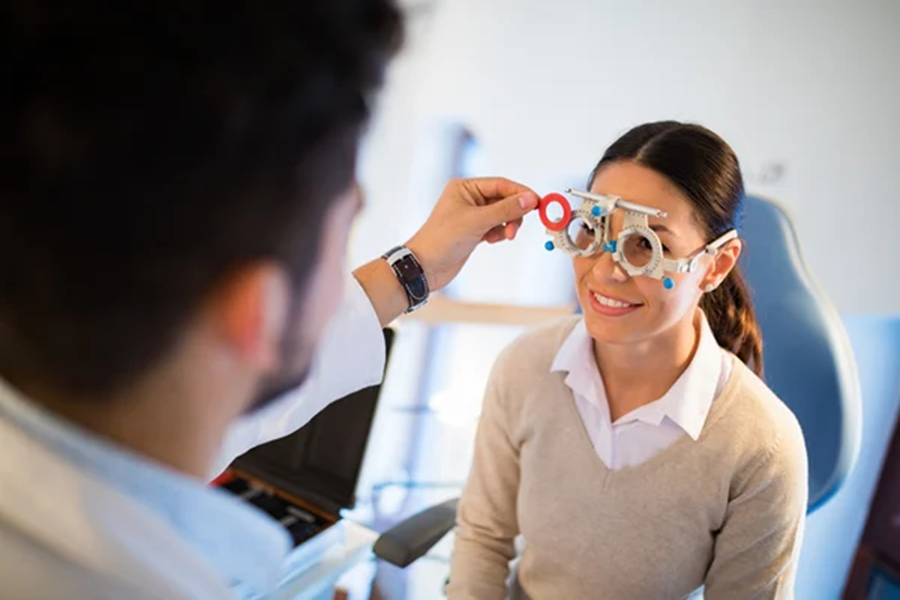
What Is Lazy Eye (Amblyopia)
The brain suppresses information from one eye to avoid double vision when it receives uneven input from both eyes.
There are varying levels of severity with amblyopia. In mild cases, individuals may not notice any significant difficulty in their day-to-day life, while those with more severe forms often experience depth perception issues and impaired 3D vision.
Though amblyopia typically develops early in life—between birth and around seven years old—it is not exclusively a childhood concern. Many adults continue living with undiagnosed or untreated lazy eye simply because they assume treatment options are unavailable beyond a certain age. However, research has increasingly demonstrated that neuroplasticity—the brain's ability to adapt and form new connections—can be harnessed for effective treatment at any stage of life.
Understanding amblyopia requires recognizing its impact on various aspects of vision and quality of life, including reduced spatial awareness and challenges in activities that demand binocular coordination such as driving or sports participation. Awareness is critical as proper diagnosis and intervention can drastically improve outcomes for those affected by this often-misunderstood condition.
Can Lazy Eye Be Treated in Adulthood
Lazy eye, or amblyopia, is often mistakenly thought to be a condition that can only be corrected during childhood. However, advancements in vision science and therapy techniques have demonstrated that adults, too, can benefit from treatment for this condition. While the process may require more time and effort compared to children due to the brain’s reduced neuroplasticity with age, there is still significant potential for improvement.
This is crucial because correcting amblyopia as an adult not only improves vision clarity but also enhances depth perception and overall quality of life.
Scientific studies have debunked earlier beliefs that vision development stops after a certain age. Neuroplasticity—the brain’s ability to adapt and change—remains active well into adulthood. This means that with consistent effort through therapies, exercises, or other medical interventions, meaningful gains can still be achieved over time.
For many adults seeking treatment for lazy eye, addressing this condition goes beyond visual health; it impacts daily functionality and confidence. For example, adults may experience improved coordination in sports or hobbies requiring precise hand-eye coordination or greater ease in completing tasks such as driving or reading.
Consistency plays a pivotal role here because reprogramming long-standing visual habits takes patience. Those who remain proactive with their therapies often achieve better outcomes over time.
Adults considering treatment should not feel discouraged by misconceptions about age limits for improvement. Modern therapeutic techniques cater specifically to older patients with effective strategies designed to address their unique needs. Whether through structured vision therapy programs at a clinic or guided exercises performed at home under professional supervision, there are solutions available that provide hope for improved visual function regardless of age.
If you’re dealing with lazy eye as an adult—or suspect you might be—it’s never too late to start exploring your options for care. By seeking appropriate help and committing yourself fully to recommended treatments, you can make meaningful strides toward clearer vision and better integration between your eyes.
Common Causes of Adult Amblyopia
Lazy eye, or amblyopia, occurs when the brain and one of the eyes fail to work together effectively. Understanding the root causes of adult amblyopia is essential for determining appropriate treatment pathways and managing the condition effectively.
One common cause of amblyopia in adults is untreated or inadequately treated childhood amblyopia. If intervention during early developmental years is delayed or insufficient, the brain may prioritize input from just one eye while suppressing input from the weaker one. As a result, this lack of proper visual development can persist into adult life.
Strabismus, another major contributor to amblyopia, involves a misalignment between the two eyes—commonly referred to as crossed eyes or wandering eyes. Strabismus-related amblyopia often remains unresolved without targeted therapy later in life.
Refractive errors like significant differences in prescriptions between both eyes (a condition known as anisometropia) can also lead to amblyopia if left uncorrected for an extended period. In cases where one eye has much better focus than the other due to farsightedness, nearsightedness, or astigmatism, the brain may rely on clearer visual signals from one eye while neglecting input from the other.
Other less common causes include trauma to an eye during childhood that disrupts normal development or conditions like cataracts that impair vision early on. Even after surgery or correction of such physical barriers later in life, amblyopic patterns established during youth may persist unless properly addressed through rehabilitative efforts.
Additionally, neurological factors can sometimes play a role in adult-onset amblyopia when associated with diseases or injury affecting parts of the brain responsible for processing visual information.
By recognizing these potential causes of lazy eye in adulthood—whether they stem from unresolved childhood issues or new challenges—individuals can better appreciate why timely evaluation by an eye care professional is so important. Once identified and understood, these underlying factors provide critical context for creating an effective treatment plan tailored to each individual's unique visual needs and history.
Vision Therapy and Eye Exercises Explained
Vision therapy and eye exercises are non-invasive treatment approaches designed to enhance visual abilities and address the underlying functional issues associated with lazy eye, also known as amblyopia. While traditionally considered a pediatric treatment, recent advancements demonstrate that vision therapy can offer meaningful benefits for adults as well.
Amblyopia is often rooted in poor binocular coordination or suppression of one eye by the other. Vision therapy aims to tackle these issues through structured, personalized programs that may include tools such as prisms, filters, lenses, and at-home exercises. Consistency and commitment to these therapies are essential for achieving positive outcomes.
One key component of vision therapy is improving depth perception and hand-eye coordination. Exercises might involve tracking moving objects with both eyes or focusing on small targets. These activities help patients strengthen their ability to maintain focus and alignment between both eyes.
Another integral part of this approach is using technology-based interventions like virtual reality (VR). VR platforms create engaging environments where users can perform visual tasks that require simultaneous input from both eyes. This immersive experience encourages harmonious visual processing while improving visual acuity in the amblyopic eye.
Patients undergoing vision therapy may also practice fusion exercises designed to align images seen by each eye into a single cohesive picture. Tools like stereograms or 3D image viewing systems are frequently employed for this purpose.
The success of these exercises depends heavily on patient participation and guidance from an experienced optometrist or ophthalmologist specializing in functional vision care. Regular follow-up appointments allow professionals to monitor progress, adjust techniques where needed, and ensure that treatments remain tailored to individual needs.
Results may vary depending on factors such as consistency of practice, severity of amblyopia, and pre-existing conditions affecting overall ocular health.
For adults exploring treatment options for lazy eye symptoms, engaging in dedicated sessions of professionally guided vision therapy holds promise as part of a comprehensive care plan aimed at restoring balanced eyesight functionality over time.
Vision Therapy and Eye Exercises Explained
Vision therapy plays a significant role in addressing lazy eye, or amblyopia, in adults. This therapeutic approach employs a series of structured exercises and activities that aim to improve the communication between the eyes and the brain.
Vision therapy is typically guided by a trained optometrist or vision specialist and can be tailored to meet individual needs. The process often starts with a detailed evaluation of your visual system to identify specific deficits, such as poor depth perception, difficulty in tracking moving objects, or challenges with focus.
How Vision Therapy Works
At its core, vision therapy seeks to stimulate neural plasticity, which is the brain's ability to adapt and reorganize itself. Since amblyopia stems from the brain favoring one eye over the other, these exercises help reprogram how visual information is processed. By consistently engaging both eyes during therapy tasks, patients are encouraged to develop better binocular vision — an essential step toward overcoming lazy eye.
Examples of Vision Therapy Exercises
PatchingThis helps reduce suppression and strengthens neural pathways tied to vision.
Stereograms and 3D Activities: These exercises train depth perception by requiring both eyes to work together.
Tracking Exercises: Following moving objects with your eyes improves coordination and focus.
Focus Shifting: Alternating focus between near and far objects often helps improve accommodation skills.
Computer-Assisted Training Programs: Digital platforms provide interactive visual tasks that combine fun with measurable progress.
These exercises are often practiced under supervision but may also include a take-home regimen for better continuity.
Why Consistency Matters
Patience plays a vital role in vision therapy. Success depends on regular practice over time since neural rewiring doesn't happen overnight. Commitment from both patients and practitioners ensures steady progress toward achieving improved visual function.
Additional Benefits Beyond Lazy Eye Treatment
While these exercises primarily target amblyopia, many adults notice benefits beyond their initial treatment goals. Enhanced reading speed, greater hand-eye coordination, reduced digital strain, and improved spatial awareness are some additional advantages frequently reported by participants undergoing vision therapy.
Vision therapy reinforces that addressing lazy eye as an adult isn’t impossible. By cultivating discipline and working closely with skilled professionals, individuals can embrace this opportunity for meaningful improvement in their visual health.
What Results Can Adults Expect From Treatment
Treating lazy eye, or amblyopia, in adulthood can yield significant improvements, though outcomes often vary depending on factors such as the severity of the condition, the age at which treatment begins, and the specific therapeutic approaches used. While children are generally more responsive to treatment due to their brain's heightened neuroplasticity, advancements in vision therapy and adult-focused treatments have shown promising results for older patients as well.
Improved Visual Acuity
One of the primary goals of treating lazy eye in adults is to enhance visual acuity in the affected eye. Many adults notice measurable improvements after adhering to a comprehensive treatment plan that may include vision therapy, corrective lenses, patching of the dominant eye, or even newer technologies like virtual reality-based exercises. These improvements help reduce reliance on the dominant eye and provide a more balanced visual experience.
Enhanced Depth Perception
Depth perception is a crucial aspect of vision that relies on both eyes working together effectively. Adults undergoing treatment for amblyopia may find that their binocular vision improves over time. This enhanced depth perception can make daily activities such as driving, sports participation, and reading much easier and more enjoyable.
Reduction in Eye Strain
Adults with untreated amblyopia often experience discomfort or fatigue due to over-reliance on one eye. Effective treatment can alleviate this strain by encouraging both eyes to share visual tasks more evenly. This not only reduces physical discomfort but also minimizes issues like headaches that may arise from prolonged visual effort.
Psychological Benefits
Beyond physical improvements, treating amblyopia as an adult can have profound psychological impacts. Many individuals report increased confidence in social and professional settings once their vision improves. The ability to engage in activities that were previously challenging due to impaired depth perception or limited peripheral vision fosters a sense of independence and self-assurance.
Limitations and Realistic Expectations
While significant progress is possible at any age due to ongoing neuroplasticity throughout life, achieving perfect 20/20 vision may not always be feasible for every patient. Additionally, some cases of lazy eye caused by structural abnormalities may have limitations despite intensive therapy efforts.
That said, even moderate improvements in vision can have life-changing effects on functional ability and quality of life. Discussing these possibilities with an experienced optometrist or ophthalmologist ensures that patients understand both the potential gains and limitations associated with their personalized treatment plan.
Whether results are subtle or dramatic depends largely on consistency with prescribed therapies and patience throughout the process. For adults willing to invest time into their care regimen under professional guidance, meaningful progress is achievable—highlighting the importance of seeking support from skilled specialists who understand how best to address this condition at any stage of life development.
When to See an Eye Care Professional for Evaluation
Seeking timely evaluation from an eye care professional is crucial when addressing lazy eye, or amblyopia, in adulthood. While it is commonly believed that amblyopia primarily affects children, adults can also experience its effects or may have undiagnosed amblyopia from childhood. Early detection and intervention can significantly improve outcomes, even later in life. Knowing when to consult a specialist can make a meaningful difference in preserving and enhancing vision health.
Persistent blurry vision in one eye despite wearing corrective lenses
Difficulty with depth perception or judging distances
Strain and fatigue in one eye, especially during tasks requiring focus such as reading or computer work
Headaches or discomfort associated with visual tasks
These signs may point to untreated amblyopia or other underlying conditions that need professional assessment. Ignoring these symptoms could lead to further complications over time.
Importance of Routine Eye Exams
Even without noticeable symptoms, regular eye exams are essential for adults. Amblyopia often develops gradually and might not produce dramatic changes in vision initially. During a comprehensive exam, your eye doctor will assess not only your visual acuity but also how well your eyes work together as a team. This is particularly important if you suspect you were diagnosed with lazy eye as a child but did not complete treatment.
For adults who have experienced trauma to the head or changes in vision due to aging, routine evaluations become even more critical. Injuries and age-related issues can worsen pre-existing amblyopia or mimic its symptoms.
What to Expect During the Appointment
Comprehensive Eye Examination:Includes tests for visual acuity (sharpness of vision), refractive errors like nearsightedness or farsightedness, and assessment of overall eye health.
Binocular Vision Testing:Evaluates how well your eyes work together and checks for misalignment causing lazy eye symptoms.
Medical History Review:Your doctor may ask about any previous treatments for lazy eye during childhood or other relevant medical details.
Customized Treatment Plan:If amblyopia is confirmed, the practitioner will outline possible therapies tailored to your specific condition.
Why Timely Treatment Matters
Delaying evaluation can limit the effectiveness of certain treatments due to the brain's reduced neuroplasticity with age—its ability to adapt and change diminishes over time. However, modern advancements such as specialized therapies and devices offer promising options even for adults who previously thought their condition was untreatable.
By recognizing symptoms early and consulting with an expert promptly, you increase your chances of achieving better visual outcomes while reducing strain on the unaffected eye.
Regular check-ups are vital not only for managing amblyopia but also for maintaining overall ocular health throughout life stages.


© 2026 Memorial Vision - All Rights Reserved - Privacy Policy - Accessibility Statement
Powered by
