
A Guide To Solving Annoying Eyelid Twitches

A Guide To Solving Annoying Eyelid Twitches

A Guide To Solving Annoying Eyelid Twitches

A Guide To Solving Annoying Eyelid Twitches

A Guide To Solving Annoying Eyelid Twitches

A Guide To Solving Annoying Eyelid Twitches

What Causes Eyelid Twitches
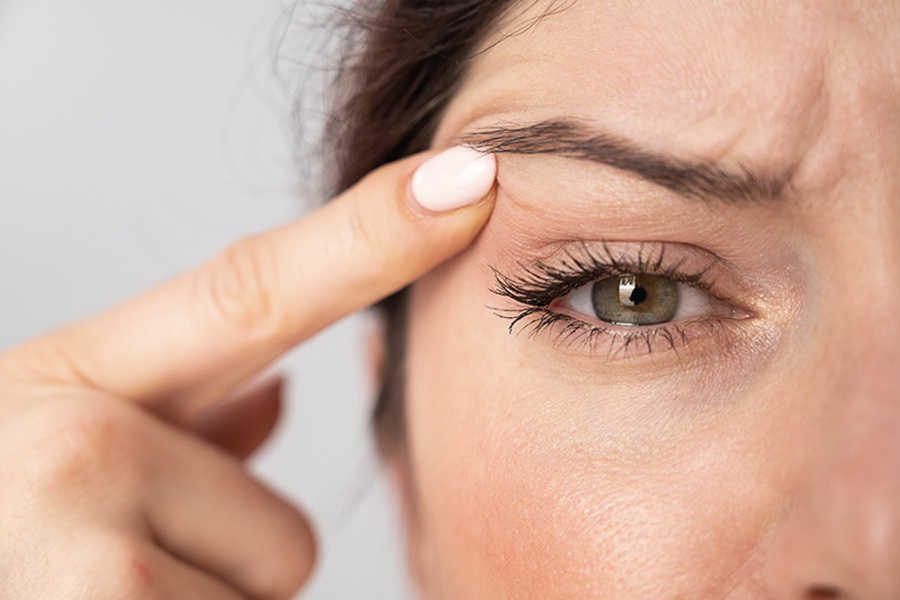
Eyelid twitches, medically known as myokymia, occur when the muscles around the eye involuntarily contract or spasm. While they are usually harmless, these tiny, repetitive movements can be frustrating and disruptive. Understanding what causes these twitches is a crucial step toward managing or preventing them.
At their core, eyelid twitches are typically linked to the misfiring of nerves that control the small muscles in your eyelids. This miscommunication between your nerve endings and muscle fibers can lead to the rapid contractions we recognize as twitching. Although the phenomenon might seem random at times, there are several well-documented factors that contribute to its occurrence.
The most common cause is overstimulation of the nervous system. Your body’s nervous system is highly sensitive to changes in your physical and emotional state. Factors such as stress or heightened anxiety often play a significant role in triggering these spasms. Heightened stress levels can cause overactivity in certain neural pathways, making your eyelids more prone to twitching.
Another factor involves muscle fatigue caused by strain or overuse. Constantly reading fine print or focusing intently on small details for extended periods forces your eyes into continuous motion and tension. Over time, this strain can lead to small muscle tremors around your eyelid area.
In some cases, dietary habits may also contribute to eyelid twitches. When you consume excessive amounts of caffeine or other stimulants, they can excite nerve cells beyond their normal threshold, creating conditions ripe for twitching episodes. Dehydration and insufficient intake of essential nutrients like magnesium can also play a role by interfering with proper muscle function.
Environmental irritants such as dry eyes or exposure to allergens can exacerbate twitching as well. When exposed to dust, pollen, pollution, or even heavy screen use with inadequate blinking breaks, your eyes may experience increased irritation and dryness—which could trigger an involuntary response like twitching.
Though rare, underlying medical conditions such as neurological disorders (e.g., hemifacial spasm) may also be responsible for persistent or severe cases of myokymia. However, most instances stem from benign causes rather than serious health concerns.
By identifying what influences these involuntary contractions—whether it’s lifestyle-related triggers like stress and fatigue or physical factors like irritation—it becomes easier to take steps toward reducing them effectively.
Common Triggers Including Stress, Fatigue, and Caffeine
Eyelid twitches, also known as myokymia, are often caused by everyday factors that disrupt the normal functioning of the tiny muscles responsible for eyelid movement. While they are usually harmless, understanding these triggers can help you take steps to minimize their occurrence.
Stress is one of the most common culprits behind eyelid twitching. When you're under pressure—whether it's from work deadlines or personal challenges—the body releases stress hormones like cortisol and adrenaline. These hormones can overstimulate the nerves in your body, including those controlling your eyelids. Over time, prolonged stress can make these small muscle fibers more susceptible to involuntary spasms.
Fatigue is another frequent trigger that many people overlook. When you're sleep-deprived, your nervous system becomes more reactive. This heightened sensitivity can lead to random muscle twitches, particularly in areas like the eyelids where muscles are constantly engaged during blinking and eye movement. Lack of quality sleep may also reduce magnesium levels in your body—a mineral essential for proper nerve function—which could further contribute to twitching episodes.
Caffeine consumption plays a significant role in triggering eye twitches for some individuals. As a stimulant, caffeine increases activity throughout your central nervous system, including the delicate muscles around your eyes. While moderate caffeine use generally won’t cause harm, overindulgence—like several cups of coffee or energy drinks in a day—can overstimulate these muscles and lead to twitching. Additionally, caffeine can interfere with sleep patterns if consumed later in the day, compounding its effects when combined with fatigue.
Other less commonly discussed yet related triggers include alcohol consumption and dehydration. Both substances have an impact on muscle function and nerve signaling within the body. Alcohol acts as a sedative but interferes with restful sleep patterns while also depleting nutrients critical for muscle activity. Similarly, dehydration affects electrolyte balance in the body—which is key for smooth muscle coordination—and could make you prone to small spasms.
Identifying and addressing these triggers through lifestyle adjustments is an essential first step toward reducing or preventing eyelid twitching episodes altogether. Assess how much stress you're managing daily and consider incorporating relaxation techniques like meditation or deep breathing exercises into your routine. Reevaluate your sleep hygiene practices by creating an environment conducive to rest—avoiding screens before bed is especially helpful here since digital strain adds another layer of discomfort to tired eyes.
Finally, monitor your intake of caffeine or alcohol as part of a broader effort to maintain overall balance and hydration levels throughout your day. Staying hydrated by drinking plenty of water can support healthy nerve function while minimizing factors that might exacerbate twitching symptoms over time.
Common Triggers Including Stress, Fatigue, and Caffeine
Eyelid twitches, also known as myokymia, can be caused by a variety of triggers that are often linked to lifestyle and environmental factors. Understanding these common culprits can help you identify the root cause of your twitching and take appropriate steps toward relief. While often harmless, repeated or prolonged episodes of twitching can be frustrating and may interfere with daily life. Here’s a closer look at three major contributors: stress, fatigue, and caffeine.
Stress: A Key Player in Eyelid Twitching
Stress is one of the most common causes of eyelid twitches. When the body is under stress, it releases hormones like cortisol and adrenaline that activate the nervous system. This heightened activity can lead to involuntary muscle spasms, including those in the delicate muscles around your eyes. People experiencing high levels of stress may notice increased twitching during particularly demanding periods—whether it's preparing for a presentation at work or dealing with personal issues.
To address this trigger, incorporating relaxation techniques into your daily routine can be highly effective. Practices such as mindfulness meditation or deep breathing exercises not only help calm the nervous system but also reduce overall stress levels. Regular physical activity like yoga or walking outdoors can also provide mental clarity while alleviating tension.
Fatigue: When Lack of Rest Takes Its Toll
Not getting enough sleep is another frequent trigger for twitchy eyelids. Sleep deprivation disrupts normal muscle function and prevents proper recovery for nerve cells, making involuntary movements more likely. If you've been burning the candle at both ends—whether due to hectic work schedules or late-night screen time—your body may begin signaling its exhaustion through these annoying spasms.
Improving sleep hygiene is crucial for tackling fatigue-induced twitches. Aim for seven to nine hours of quality sleep each night by setting a consistent bedtime routine, limiting exposure to screens before bed, and creating an environment conducive to restful sleep (like dim lighting and reduced noise). Giving your eyes regular breaks throughout the day—especially if you stare at screens for long periods—can also reduce strain and support better rest.
Caffeine: The Double-Edged Sword
Caffeine is another major player when it comes to eyelid twitching. While it’s a beloved stimulant found in coffee, tea, energy drinks, and even chocolate, excessive caffeine consumption increases nerve excitability. This heightened stimulation affects all muscles in the body but tends to be particularly noticeable in small facial muscles around the eyes.
If you suspect caffeine might be contributing to your eyelid spasms, consider moderating your intake rather than eliminating it altogether unless necessary. Gradual reductions can prevent withdrawal headaches while allowing you to monitor whether fewer instances of twitching occur as intake decreases. Opting for decaffeinated beverages later in the day could further reduce overstimulation without sacrificing rituals like an afternoon tea break.
By identifying these triggers—stressors that overwhelm your mind, fatigue that wears down your body’s resilience, or caffeine that overstimulates nerves—you’re one step closer to breaking free from persistent eyelid twitches. Making mindful adjustments in these areas will likely yield not only relief from myokymia but an overall improvement in well-being too.
Lifestyle Changes That May Help Reduce Twitching
Eyelid twitches, while often harmless, can be frustrating and disruptive. Fortunately, making intentional lifestyle adjustments can significantly reduce the frequency and intensity of these spasms. A holistic approach that addresses physical, emotional, and environmental factors is often most effective in managing this condition.
Prioritize Quality Sleep
One of the most common causes of eyelid twitching is sleep deprivation. Inadequate rest disrupts the nervous system, which can lead to muscle spasms around the eyes. Aim for 7-9 hours of uninterrupted sleep each night to allow your body adequate time to repair and rejuvenate. Establish a consistent bedtime routine by going to bed at the same time every night, limiting screen usage before sleep, and creating a dark, quiet sleeping environment.
Manage Stress Levels
Stress is another leading factor behind eyelid twitching episodes. Incorporating stress-reducing activities into your daily routine can help ease tension in both your mind and body. Practices such as yoga, meditation, deep breathing exercises, or even a daily walk in nature can promote relaxation. Additionally, identifying stress triggers in your life—whether work-related deadlines or personal commitments—and addressing them proactively can make a big difference.
Limit Caffeine and Alcohol Intake
Caffeine stimulates the nervous system and may exacerbate twitching if consumed in large quantities. Alcohol also has a dehydrating effect that may worsen muscle irritability. Reducing or moderating intake of coffee, energy drinks, sodas containing caffeine, and alcoholic beverages could help alleviate symptoms over time.
Stay Hydrated Throughout the Day
Dehydration affects muscle function throughout your body—including around your eyes. Ensure you’re drinking enough water throughout the day to keep muscles hydrated and functioning optimally. If you live in a hot climate or lead an active lifestyle where you're sweating more than usual, increase your water intake accordingly.
Pay Attention to Nutritional Deficiencies
Deficiencies in certain nutrients like potassium (found in bananas), magnesium (present in leafy greens), or calcium (in dairy products) might contribute to nerve impulses misfiring and resulting in twitches. A balanced diet rich in fruits, vegetables, whole grains, lean proteins, and healthy fats supports overall muscle health—including those around your eyes.
Minimize Screen Time
Excessive use of digital devices like smartphones or computers puts strain on the eyes’ muscles over time due to prolonged focus on screens without frequent breaks. Follow the 20-20-20 rule: every 20 minutes spent looking at a screen should be followed by 20 seconds focusing on something at least 20 feet away from you.
Regular Breaks for Eye Relaxation
If you work long hours staring at screens or reading fine print closely under bright lights indoors ensure small breaks are built into tasks regularly breaking monotony stimulating muscles differently reduces onset tightening providing relief
Signs That Warrant a Professional Eye Evaluation
Eyelid twitches, also known as myokymia, are often harmless and tend to resolve on their own. However, there are specific instances where these involuntary muscle spasms may indicate a more serious underlying issue that requires professional medical attention. Recognizing the difference between benign twitching and symptoms of a larger concern is essential for safeguarding your eye health.
Persistent or Prolonged Eyelid Twitching
If you find that your eyelid twitching has persisted for several weeks or even months without improvement, it may be time to consult an eye care professional. While minor twitches typically subside within a few days or are sporadic in nature, long-lasting or continuous movements could be associated with neurological conditions like hemifacial spasm or essential blepharospasm. These conditions are rare but require specialized evaluation by an ophthalmologist or neurologist.
Twitching Accompanied by Other Symptoms
Pay close attention if eyelid twitching is accompanied by additional symptoms such as redness, swelling, pain in the eye area, or drooping of the eyelid (a condition known as ptosis). Painful sensations around the eyes are not typical of benign myokymia and may point to infections like blepharitis or even nerve-related issues. Additionally, if twitching is linked to vision changes—such as blurred vision, difficulty focusing, or light sensitivity—it’s important to seek immediate medical advice.
Twitching That Affects Other Muscles
In most cases of simple eyelid twitching, only the muscles around one eyelid are affected. However, if you notice that muscle spasms extend beyond your eyelids to other areas of your face—such as your cheeks, mouth, or forehead—this could indicate a more systemic neurological issue. Conditions like Bell’s palsy or dystonia can involve facial muscle contractions and require prompt diagnosis and treatment.
Sudden Onset in Conjunction With Fatigue or Weakness
If eyelid twitching occurs alongside extreme fatigue, muscle weakness elsewhere in the body, coordination difficulties, or speech impairments, it could signal a broader problem affecting the nervous system. Disorders such as multiple sclerosis (MS) sometimes present with subtle symptoms at first but can progress if left untreated.
Severe Disruption to Daily Life
Even when not linked to serious medical concerns, frequent and disruptive eyelid twitches can take a toll on daily activities and overall well-being. If you find yourself struggling with concentration at work or sleep disturbances due to constant twitching episodes, consulting an eye doctor can help uncover potential triggers and provide effective management strategies.
Importance of Early Intervention
While most cases don’t escalate into significant problems, early intervention is key if concerning signs arise alongside eyelid twitching. An eye care professional may conduct tests such as imaging studies or bloodwork to rule out underlying conditions like autoimmune disorders or thyroid abnormalities. Addressing these issues promptly can make all the difference in maintaining both ocular health and general well-being.
Understanding when it’s necessary to seek medical support allows you to address potential complications head-on while avoiding unnecessary worry about minor twitches that will fade on their own over time. By staying informed about warning signs and partnering with trusted healthcare providers when needed, you’re taking proactive steps toward protecting your eyes—and overall quality of life—for years ahead.
How Eye Strain and Digital Device Use Contribute to Twitching
In today’s fast-paced, digitally driven world, many of us spend hours staring at screens—whether it's for work, entertainment, or communication. This prolonged screen time can lead to eye strain, a significant factor in eyelid twitching, also known as eyelid myokymia. Understanding the connection between digital device use and eye twitches is key to managing and preventing this irritating condition.
Eye strain occurs when your eyes are overworked due to intense focus on close objects, such as screens on computers, tablets, and smartphones. When you stare at a screen for extended periods without breaks, your blink rate tends to decrease significantly. Blinking is essential for refreshing the surface of your eyes with moisture. With reduced blinking comes dryness and irritation that may trigger involuntary muscle spasms around the eye area.
The blue light emitted by digital screens is another contributing factor. Exposure to blue light can cause fatigue in the eye muscles as they work harder to focus on bright displays. Over time, this fatigue may result in discomfort and twitching sensations around the eyelids.
Poor posture while using digital devices can also indirectly exacerbate eye strain. For example, if your neck or shoulders are tense while hunched over a screen, it can lead not only to physical discomfort but also tension headaches that further stress your visual system.
Strategies for Reducing Eye Strain from Digital Devices
Follow the 20-20-20 Rule
A simple yet effective approach involves taking regular breaks while using screens. Every 20 minutes of screen use, look away at something 20 feet away for at least 20 seconds. This practice helps relax the muscles in your eyes and reduces strain caused by prolonged focus.
Adjust Screen Settings
Optimize brightness levels on devices so that they match the ambient lighting in your environment. Avoid overly bright or dim settings that force your eyes to work harder than necessary. Increasing text size where needed also reduces squinting and further strain.
Practice Good Posture
Ensure proper ergonomics while working or using devices: keep screens at eye level and maintain an upright posture with relaxed shoulders. A supportive chair or desk setup tailored to reduce physical tension will indirectly benefit ocular health too.
Blink More Often
Although blinking may seem natural, during focused screen usage we often forget how important it is to blink frequently enough. Make a conscious effort to blink more often during extended periods spent using devices.
By tackling these easily identifiable habits related directly—or indirectly—to digital device usage patterns contributing toward excessive muscular tension near optic nerve areas, efficient sustainable relief is possible!
Preventing Future Episodes of Eyelid Myokymia
Eyelid myokymia, commonly experienced as those annoying, involuntary eyelid twitches, can often be managed by adopting preventative measures that promote overall eye health and wellness. While the condition is usually harmless, taking proactive steps can reduce recurrence and improve quality of life. Understanding prevention includes addressing lifestyle habits, environmental factors, and daily routines that might contribute to its onset.
Prioritize Quality Sleep
One of the most effective ways to prevent eyelid twitching is ensuring you get consistent, restorative sleep. Sleep deprivation disrupts your body's natural rhythms and can increase muscle fatigue, including in the delicate muscles around your eyes. Establishing a regular sleep schedule and aiming for 7–9 hours per night helps reduce strain on your body. Creating a calming bedtime routine—such as limiting screen time before bed or practicing relaxation techniques—can also improve sleep quality.
Manage Stress Levels
Since stress is a common trigger for eyelid myokymia, developing strategies to manage emotional and physical tension is key. Incorporating mindfulness practices like meditation or yoga into your daily routine has been shown to reduce stress-related muscle twitching. Additionally, carving out time for hobbies or activities you enjoy can offer mental relief from daily pressures.
Adjust Caffeine Intake
Overconsumption of caffeine is another well-documented cause of eyelid twitches. If you're prone to twitching episodes, consider moderating your intake of coffee, tea, energy drinks, or other caffeinated beverages. Gradually reducing caffeine consumption allows your body to adjust without triggering withdrawal symptoms while supporting a more stable nervous system.
Reduce Digital Eye Strain
Follow the 20-20-20 rule: Look away from the screen every 20 minutes at an object 20 feet away for at least 20 seconds.
Ensure proper lighting in your workspace to prevent glare and harsh contrast between the screen and surrounding environment.
Consider using blue-light-blocking glasses if you spend long hours on digital devices.
Stay Hydrated and Maintain Nutrition
Dehydration or nutritional deficiencies can exacerbate muscle irritability throughout the body—including in the eyelids. Drinking sufficient water throughout the day supports proper muscle function while reducing fatigue-related twitching risks. Additionally, incorporating magnesium-rich foods (like nuts or leafy greens) may help stabilize nerve signals that control muscle movement.
Schedule Regular Breaks
If you work in an environment that demands prolonged focus—whether reading documents or working onscreen—it’s essential to rest not just your eyes but also your entire body periodically during the day. Frequent breaks allow overworked muscles around the face and eyes time to relax.
By implementing these strategies into everyday life alongside maintaining regular health check-ups with an eye care professional when needed, you’ll reduce both the frequency and intensity of future episodes of eyelid myokymia while promoting overall wellness at the same time.


© 2026 Memorial Vision - All Rights Reserved - Privacy Policy - Accessibility Statement
Powered by
