
Cataract Surgery and Dementia: Can Surgery Lower the Risk of Dementia?

Cataract Surgery and Dementia: Can Surgery Lower the Risk of Dementia?

Cataract Surgery and Dementia: Can Surgery Lower the Risk of Dementia?

Cataract Surgery and Dementia: Can Surgery Lower the Risk of Dementia?

Cataract Surgery and Dementia: Can Surgery Lower the Risk of Dementia?

Cataract Surgery and Dementia: Can Surgery Lower the Risk of Dementia?

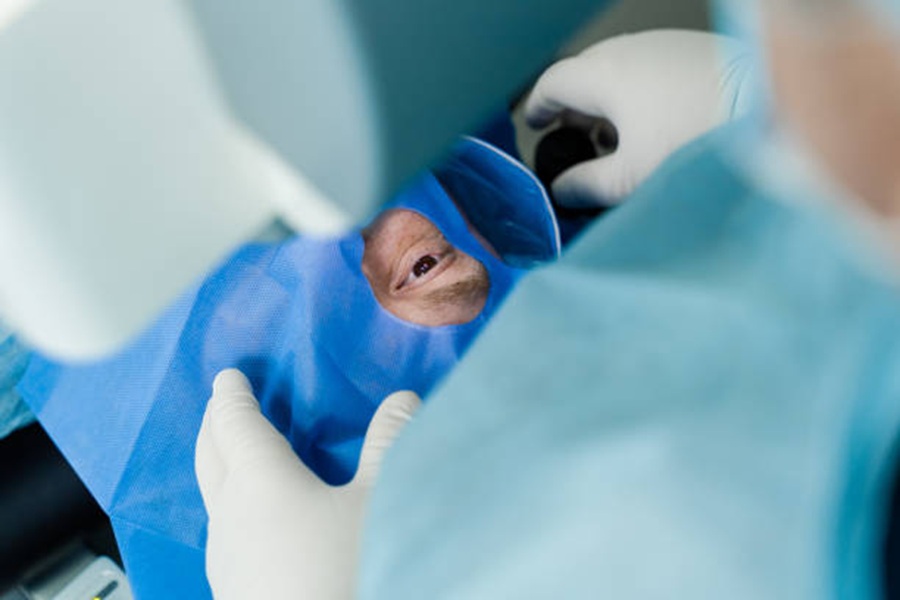
The lens, located behind the colored part of the eye (the iris), is responsible for focusing light on the retina, allowing for clear vision. When cataracts form, they obstruct this process, resulting in blurred or dimmed eyesight.
- Blurry or cloudy vision
- Increased sensitivity to light and glare
- Difficulty seeing at night
- Colors appearing faded or yellowed
- Double vision in one eye
These symptoms can significantly affect daily activities such as reading, driving, and recognizing faces.
Types of Cataracts
Cataracts can form due to various factors, leading to different classifications:
1.Nuclear Cataracts: Develop in the center (nucleus) of the lens and are often associated with aging.
2.Cortical Cataracts: Occur on the edges (cortex) of the lens and create streaks or spokes that interfere with light passage.
3.Posterior Subcapsular CataractsThese are more common in individuals who use steroid medications or have diabetes.
Risk Factors for Developing Cataracts
While age is a primary factor in cataract development, several other elements may contribute:
- Prolonged exposure to ultraviolet (UV) radiation from sunlight without proper eye protection.
- Smoking habits over time.
- Certain medical conditions like diabetes or hypertension. - A history of eye surgeries or trauma. - Long-term use of corticosteroid medications.
Preventative measures such as wearing sunglasses with UV protection and maintaining a healthy lifestyle may help delay their onset.
Impact on Vision Quality
As cataracts worsen, they can significantly impair visual clarity and depth perception. Tasks requiring sharp focus—such as reading fine print or distinguishing subtle details—become increasingly challenging. The condition can also increase risks associated with falls and accidents due to impaired vision.
Understanding what cataracts are and recognizing their potential impact is crucial in seeking timely medical advice for treatment options like cataract surgery, which offers a pathway toward restoring clearer sight and improving quality of life overall.
Overview of Cataract Surgery
Cataract surgery is one of the most common and effective surgical procedures performed worldwide. This condition is often age-related, though certain factors such as diabetes, prolonged use of steroids, or previous eye injuries may contribute to its development.
What Happens During Cataract Surgery?
The area around the eye is cleaned and sterilized.
Local anesthesia or numbing drops are applied to ensure patient comfort.
The incision self-seals in many cases without sutures.
Patients are typically monitored for a short period before being sent home with specific aftercare instructions.
The surgery itself usually takes 15–30 minutes per eye and is performed on an outpatient basis.
Types of Intraocular Lenses (IOLs)
Lens Type | Purpose |
Monofocal IOLs | Provides clear vision at one distance (near or far). |
Multifocal IOLs | Offers better focus at multiple distances but may cause glare issues. |
Toric IOLs | Designed for people with astigmatism to correct irregular corneal shape. |
Advancements in Technology
Modern cataract surgeries employ cutting-edge technology such as laser-assisted techniques for increased precision and customization. These innovations have improved outcomes and reduced risks associated with traditional methods.
Benefits Beyond Vision Correction
While improved eyesight remains the primary goal, research suggests that cataract surgery may offer additional health benefits such as enhanced quality of life and possibly better long-term cognitive health outcomes—a subject explored further in related sections.
Patients should consult their ophthalmologist to assess their unique needs and determine whether cataract surgery aligns with their overall health goals.
What Research Says About Cataract Surgery and Dementia Risk
Research exploring the relationship between cataract surgery and dementia has gained significant attention in recent years. The eye and brain are closely interconnected, and changes in vision can influence cognitive function. Below, we examine what current studies reveal about the potential effects of cataract surgery on dementia risk.
Key Findings from Studies
Improved Sensory Input May Enhance Cognitive Function
Studies suggest that restoring vision through cataract surgery helps improve sensory input to the brain. Poor vision can lead to decreased stimulation of certain brain areas, potentially accelerating cognitive decline. By addressing visual impairment, cataract surgery may help maintain or improve cognitive health.Reduced Risk of Social Isolation
Vision loss is often linked to social withdrawal and isolation, both of which are risk factors for dementia. Cataract surgery allows individuals to re-engage with their environment and social networks more effectively, thereby reducing these risks.Impact on Overall Brain Activity
Research indicates that untreated cataracts may contribute to under-stimulation of specific neural pathways, leading to a gradual decline in brain function over time. By restoring clear vision, surgical intervention may help preserve these pathways.
Supporting Data
Study | Key Findings |
Longitudinal Cohort Study | Participants who underwent cataract surgery showed lower rates of cognitive decline over a 10-year period compared to those who did not receive treatment. |
Population-Based Research | Individuals with restored vision experienced higher scores on memory-related tests following their surgeries. |
Clinical Trials | Patients reported enhanced quality of life post-surgery, which correlated with improved mental well-being in follow-up assessments. |
Potential Mechanisms Behind the Link
Researchers hypothesize several mechanisms that may explain why cataract surgery could lower dementia risk:
- Enhanced Visual-Spatial Processing:Better vision allows for improved navigation and interaction with surroundings, stimulating brain activity.Better Sleep Patterns:Clearer eyesight can help regulate circadian rhythms by improving light perception.Improved Mental Health:Reduced frustration associated with poor vision may alleviate stress and depressive symptoms, both known contributors to dementia risk.
Areas Needing Further Study
While promising evidence exists, researchers note that more work is required to confirm the exact link between cataract surgery and reduced dementia rates:
- Larger sample sizes across diverse populations are necessary. - Long-term studies tracking cognitive function before and after surgeries could provide deeper insights. - Exploration into whether other forms of treated sensory loss (e. g. , hearing restoration) yield similar outcomes could further validate findings.
Understanding this connection continues to be an area of active investigation within ophthalmology and neuroscience communities.
What Research Says About Cataract Surgery and Dementia Risk
Cataract surgery is a common procedure aimed at restoring vision impaired by clouded lenses in the eyes. Recent research suggests that this procedure may have broader benefits beyond improved sight, particularly in relation to cognitive health. The possibility that cataract surgery could lower the risk of dementia has intrigued researchers, leading to studies aimed at exploring this connection.
Key Findings from Research
Improved Sensory Input May Aid Cognitive Function: Cataracts can significantly reduce the amount of visual information reaching the brain, which may contribute to cognitive decline over time. Studies suggest that restoring clear vision through cataract surgery might help maintain or even improve mental sharpness.
Reduced Risk of Dementia: A longitudinal study published in a respected journal found that individuals who underwent cataract surgery had a 30% lower risk of developing dementia compared to those who did not have the procedure.
Delayed Onset of Cognitive Decline: Some research indicates that individuals with restored vision experience a slower rate of cognitive decline, possibly because they stay mentally engaged through activities like reading or social interactions, which become easier after surgery.
The Possible Mechanisms Connecting Vision and Brain Health
Clearer vision allows for greater engagement with one’s surroundings.
Improved sensory input reduces cognitive strain as the brain no longer has to compensate for poor eyesight.
Better vision can lead to more physical activity and independence.
These factors are known contributors to overall brain health.
Vision restoration can improve quality of life and reduce feelings of isolation or depression.
Lower rates of depression may correlate positively with reduced dementia risk over time.
Remaining Questions for Researchers
While existing studies are promising, more research is necessary to understand certain aspects fully—for instance:
- The exact mechanisms driving the reduced risk of dementia post-surgery. - Whether other factors (like overall physical health) play a mediating role in these outcomes. - Long-term impacts on varying types of dementia (e. g. , Alzheimer’s disease vs vascular dementia).
Summary Table: Research Highlights on Cataract Surgery & Dementia Risk
Focus Area | Key Insights | Evidence Level |
Risk Reduction | 30% lower risk for individuals post-cataract surgery | Strong observational data |
Cognitive Engagement | Improved sensory input supports brain function | Moderate evidence |
Quality-of-Life Improvement | Enhanced mobility, mood, and independence | Consistent findings |
Understanding these connections between cataract surgery and brain health will require further investigation, but current findings indicate promising avenues for improving both visual and cognitive well-being through timely treatment decisions.
Benefits of Improved Vision After Surgery
Improved vision following cataract surgery offers significant benefits that extend beyond just better eyesight. Restored clarity of vision can lead to profound enhancements in overall quality of life, physical health, and mental well-being.
Enhanced Quality of Life
Cataracts can severely impair daily activities by making it difficult to read, drive, or recognize faces.
- Increased independence due to the ability to perform everyday tasks more easily.
- Greater engagement in social interactions without the anxiety caused by poor sight.
- Improved participation in hobbies like reading, gardening, or crafting.
Positive Impact on Mental Health
Vision impairment is often linked to feelings of isolation and depression due to reduced mobility and independence.
- Reduced risk of depression and anxiety as patients regain confidence in navigating their surroundings.
- A more active lifestyle, which is known to boost mental health through physical activity and social engagement.
Enhanced Cognitive Function
Research suggests a relationship between sensory health (such as vision) and cognitive performance:
- Clearer vision allows for better perception of the environment, which may help maintain cognitive sharpness. - People who regain visual clarity are often more engaged in cognitive tasks such as reading or problem-solving.
Increased Physical Safety
Vision plays a significant role in preventing accidents such as falls or injuries at home or outdoors.
- Depth perception is often restored, reducing risks associated with misjudging distances while walking or climbing stairs. - Better peripheral vision helps individuals detect obstacles and avoid potential hazards.
Impact Area | Pre-Surgery Challenges | Post-Surgery Improvements |
Quality of Life | Difficulty performing simple tasks | Increased independence |
Mental Health | Feelings of isolation | Better mood; reduced depression risk |
Cognitive Function | Limited engagement in activities | Greater mental stimulation |
Physical Safety | Higher risk of falls/injuries | Improved mobility and hazard avoidance |
Social Connections
Vision impairment can hinder relationships by making it harder to recognize people or participate actively in group settings. Following cataract surgery: - Patients often report feeling more confident reconnecting with loved ones.
- Clearer sight fosters greater ease during conversations and shared activities.
By addressing the visual challenges caused by cataracts through surgery, individuals not only improve their eyesight but also enjoy far-reaching benefits that support both physical and mental well-being over time.
Who Should Consider Cataract Surgery
Cataract surgery is a common procedure that replaces the clouded lens of the eye with an artificial one. While it may sound routine, it is important to understand who might benefit most from this treatment. Not everyone with cataracts requires immediate surgery, and the decision should be based on individual circumstances, such as the progression of vision impairment and overall health.
Signs You May Need Cataract Surgery
Cataracts develop gradually, and in the early stages, symptoms may be mild.
Blurry Vision: Objects appear hazy or out of focus.
Difficulty With Night Vision: Increased glare or halos from lights at night can make driving dangerous or challenging.
Sensitivity to Light: Bright light may feel overwhelming or uncomfortable.
Colors Appear Faded: Colors may begin to lose their vibrancy as cataracts worsen.
Double Vision in One Eye: A single object appears duplicated when seen through one eye.
Challenges With Daily Activities: Tasks like reading, cooking, or recognizing faces become increasingly difficult due to poor vision.
Factors That Influence Eligibility for Surgery
Severity of Symptoms: If daily activities are not impacted significantly by vision issues, surgery may not be necessary immediately.
Overall Health Status: Some medical conditions can affect the risks associated with surgery or recovery time.
Level of Vision Correction Needed: If other treatments (such as stronger glasses) are no longer effective in addressing visual impairments caused by cataracts.
Age and Lifestyle Needs: Younger individuals with active lifestyles might prioritize earlier surgical intervention compared to someone whose visual needs are less demanding.
When Surgery Is Typically Recommended
Struggling to read fine print even with corrective lenses.
Difficulty navigating stairs or uneven terrain due to poor depth perception.
Feeling unsafe while driving due to blurred vision or glare issues.
Consulting Your Doctor
A thorough evaluation by an eye care professional is essential before deciding on cataract surgery.
A comprehensive eye exam to assess lens clarity and overall eye health.
Discussion about your symptoms and how they affect your day-to-day activities.
Review of medical history and any potential risks associated with anesthesia or the procedure itself.
Making an informed decision about cataract surgery requires clear communication between you and your doctor regarding expectations, potential benefits, and recovery considerations.
By evaluating individual needs carefully and seeking professional guidance, eligible patients can improve their quality of life through restored vision after undergoing this highly successful procedure.
Talking to Your Doctor About Eye and Brain Health
Cataract surgery is not just about improving vision; it can also provide significant quality-of-life benefits, which may extend to cognitive health. If you are considering cataract surgery or have questions about its potential impact on brain function, having a detailed and informed conversation with your doctor is crucial. Here's how you can prepare for that discussion.
Questions to Ask Your Doctor
To make the most of your appointment, consider asking the following questions related to both eye health and cognitive well-being:
- What are the potential benefits of cataract surgery beyond improved vision?
- Is there any evidence linking cataract surgery with reduced dementia risk?
- Are there risks associated with delaying the procedure?
- How might untreated cataracts affect daily activities such as reading, walking, or recognizing faces?
- Are there specific lifestyle changes I should consider post-surgery to support both my vision and cognitive health?
These questions can help guide the conversation and ensure that you address all potential concerns.
Discussing Overall Health
Because eye health is closely tied to overall well-being, it’s vital to share information about your general health with your doctor.
- Chronic conditions such as diabetes or hypertension that may affect both eye and brain health.
- Any symptoms of cognitive decline or memory issues you have noticed in yourself or a loved one.
- Current medications that could interact with post-surgical care.
A full picture of your overall health allows the doctor to provide more tailored advice.
Understanding Post-Surgery Care
If cataract surgery is recommended, ask about recovery steps that can promote long-term benefits for both vision and brain function:
1.Follow-Up Appointments– Regular check-ups ensure proper healing and help monitor ongoing eye health.
2.Healthy Lifestyle Practices– Maintaining good nutrition, staying physically active, and engaging in mentally stimulating activities may complement improved vision by supporting cognitive functions too.
3.Vision Aids
Tracking Cognitive Changes Over Time
While cataract surgery has been linked in research studies to potential reductions in dementia risk, it’s important to remember that cognitive decline depends on a range of factors. Your doctor may recommend monitoring any changes in memory, reasoning skills, or other aspects of cognition over time—either independently or through regular assessments conducted by a healthcare professional.
Collaborating With Specialists
In some cases, your ophthalmologist may suggest working alongside other specialists such as neurologists or geriatricians if concerns about cognitive decline exist. This multidisciplinary approach ensures comprehensive care for both eye health and brain function.
Having an open dialogue with your healthcare provider empowers you to make informed decisions about treatment options while maintaining focus on overall well-being rather than just isolated symptoms. Scheduling regular check-ups can further enhance long-term outcomes for both vision and cognition alike.


© 2026 Memorial Vision - All Rights Reserved - Privacy Policy - Accessibility Statement
Powered by
