
The Benefits of Seeing an Optometrist Regularly

The Benefits of Seeing an Optometrist Regularly

The Benefits of Seeing an Optometrist Regularly

The Benefits of Seeing an Optometrist Regularly

The Benefits of Seeing an Optometrist Regularly

The Benefits of Seeing an Optometrist Regularly

Why Routine Eye Exams Are Important for Overall Eye Health
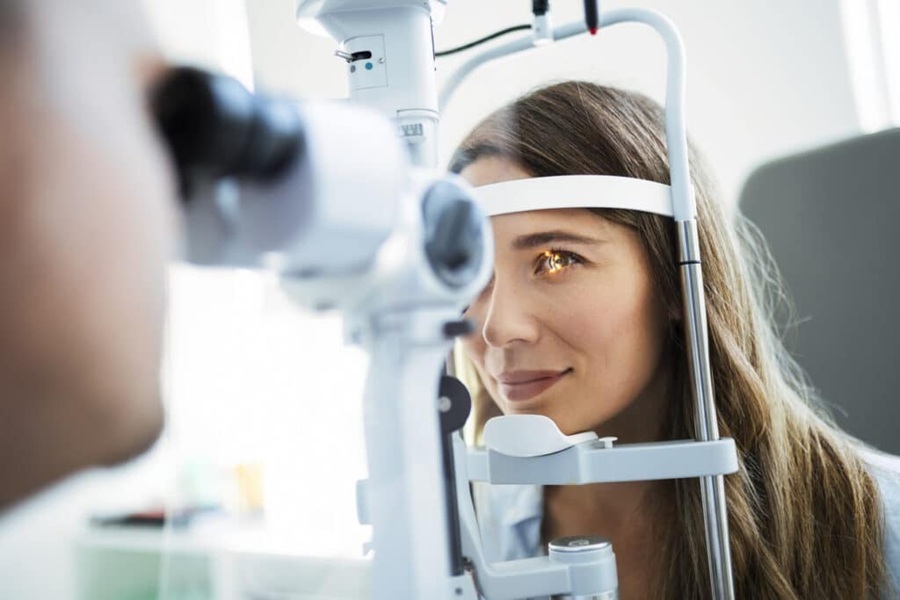
Routine eye exams play a critical role in maintaining the health of your eyes at every stage of life. Many people assume that unless they are experiencing noticeable vision problems, there’s no need to visit an optometrist regularly. However, this common misconception can lead to missed opportunities to detect and treat potential issues early, ensuring not only optimal vision but also overall eye health.
Eye exams go beyond simply measuring your ability to see clearly. They provide a comprehensive evaluation of the internal and external structure of your eyes, allowing optometrists to monitor their condition over time. These evaluations help ensure that subtle changes or early signs of disease do not go unnoticed. In many cases, eye diseases such as glaucoma or macular degeneration can develop silently without any obvious symptoms in their initial stages. A routine eye check-up acts as a frontline defense in catching these conditions before they worsen.
Additionally, good eye health is not limited to just the absence of disease but also extends to comfort and quality of life. Issues like digital eye strain have become increasingly common due to prolonged screen use in modern life. Regular visits to an optometrist can identify such concerns early on and help you implement solutions—be it corrective lenses or lifestyle adjustments—to ensure that your eyes remain healthy despite daily demands.
Children especially benefit from routine eye exams as visual development plays a crucial role in their learning process. Uncorrected vision problems may lead to difficulties in school, poor concentration, or even behavioral issues if left untreated. Early detection through regular check-ups ensures that children have the visual clarity they need for academic and personal growth.
It is also vital for adults and seniors who may be at higher risk for developing conditions like cataracts or diabetic retinopathy as they age. Consistent monitoring allows these problems to be managed effectively before they impact daily living significantly.
Ultimately, prioritizing routine eye exams fosters lifelong care for one of our most precious senses—the ability to see the world around us vividly and comfortably. By making regular check-ups part of your healthcare routine, you’re taking proactive steps toward maintaining strong eyesight and healthy eyes well into the future.
How Regular Visits Help Detect Vision Changes Early
The human eye undergoes subtle changes over time, many of which may go unnoticed without regular check-ups. Routine visits to an optometrist play an essential role in identifying these changes early, ensuring optimal vision and preventing potential complications down the road. Early detection provides both immediate benefits for day-to-day comfort and long-term advantages for overall eye health.
Vision changes can sometimes occur so gradually that they are difficult to notice on your own. It’s common for individuals to adapt to minor shifts in clarity or comfort, such as squinting more when reading small text or adjusting their position while driving at night. These seemingly minor adjustments often point to underlying issues that may require intervention, such as updating a glasses or contact lens prescription or addressing more serious conditions like myopia progression.
One of the greatest advantages of regular eye exams is that optometrists are trained to spot small but significant changes in visual acuity. These assessments go beyond the basic “eye chart test” and often include advanced diagnostic techniques such as refraction tests, retinal imaging, and peripheral vision evaluations. By comparing results over time, optometrists can establish a baseline for each patient’s vision and identify any deviation from the norm—whether it’s a slight shift in prescription strength or an early sign of astigmatism development.
Over time, untreated vision changes can lead to discomfort or strain, including headaches, dry eyes, or difficulty concentrating on detailed tasks like reading or working on screens. Regular visits allow these issues to be addressed before they escalate into larger concerns. For example, an updated prescription can make all the difference when it comes to easing digital eye strain caused by prolonged screen exposure—an increasingly common issue in today’s technology-driven world.
Beyond correcting refractive errors like nearsightedness or farsightedness, routine eye exams also provide optometrists with an opportunity to identify potential warning signs of broader health issues during the evaluation process. For instance, by closely examining blood vessels within the retina and patterns of vision loss, they may detect systemic conditions such as hypertension or diabetes long before other symptoms are evident.
Parents should also note how crucial regular appointments are for children whose eyes are still developing. Detecting subtle vision changes early is particularly important during school years because visual clarity contributes significantly to academic performance and overall confidence in learning environments.
In summary, scheduling regular visits with an optometrist goes far beyond ensuring clear sight; it provides peace of mind knowing that even small vision changes won’t go undetected. Taking proactive steps through consistent monitoring not only enhances daily life but also protects long-term ocular health from preventable complications caused by delayed treatment monitoring steps taken today ripple forward into future benefits for years ahead.
Eye Conditions That Can Be Found Before Symptoms Appear
Regular visits to an optometrist offer more than just the opportunity to update your prescription. Many serious eye conditions can develop silently, without noticeable symptoms in their early stages. Routine eye exams are often the first line of defense in identifying these hidden issues before they progress into something more severe. Early detection allows for timely intervention, which can make a significant difference in preserving vision and overall eye health.
One of the most common examples of such conditions is glaucoma, often referred to as "the silent thief of sight. " This condition develops slowly over time and typically does not present symptoms until substantial damage has occurred. During an eye exam, an optometrist can measure your intraocular pressure and assess the health of your optic nerve, two critical steps in diagnosing glaucoma at a stage when it’s still manageable.
Another condition that can be identified early is diabetic retinopathy, which may develop long before any visual symptoms appear. Through detailed retinal imaging or dilated eye exams, optometrists can detect small blood vessel changes or leaks in the retina that indicate diabetes-related complications. For individuals with diabetes, these exams are crucial to preventing irreversible vision loss.
Macular degeneration, particularly age-related macular degeneration (AMD), is another example where early detection through regular screenings can be life-changing. While this condition primarily impacts central vision and is most common in older adults, monitoring macular health during routine visits allows patients to take preventative steps or access treatments that slow its progression.
Additionally, regular eye exams may uncover issues such as cataracts, which often develop gradually over time. While cataracts are a natural part of aging for many people, identifying them before they begin interfering significantly with daily activities ensures timely care and improves long-term quality of life.
It’s also worth mentioning that certain systemic conditions—such as hypertension or high cholesterol—may show initial signs during an eye exam even before you’re aware of them elsewhere in the body. An experienced optometrist might observe changes like narrowed blood vessels or optic nerve swelling, prompting further medical evaluation.
Routine check-ups with an optometrist are not just about addressing current concerns but about staying ahead of potential problems that could jeopardize your vision later on. By detecting these conditions early—even before symptoms interfere with daily life—you’re taking proactive steps toward protecting one of your most valuable assets: your eyesight.
The Connection Between Eye Exams and General Health
Routine eye exams serve a purpose that extends beyond ensuring clear vision. Your eyes can reveal a significant amount of information about your overall health, allowing optometrists to identify early signs of systemic conditions that may otherwise go unnoticed. By prioritizing regular visits to an optometrist, you are not only taking care of your eyesight but also gaining insights into your general well-being.
The blood vessels, nerves, and tissues in your eyes share close connections with other vital systems in the body. This unique relationship allows your optometrist to detect potential health concerns through a comprehensive eye exam.
One common example is diabetic retinopathy—a condition linked to diabetes where high blood sugar levels damage the blood vessels in the retina. Through careful examination of the retina during an eye exam, an optometrist can often identify early evidence of this disease before physical symptoms like blurry vision arise. Similarly, swollen or damaged optic nerves may signal neurological conditions such as multiple sclerosis or even brain tumors.
Eye exams also play a role in detecting cardiovascular health issues. Hypertension, or high blood pressure, can cause subtle changes in the small blood vessels within your eyes known as hypertensive retinopathy. An experienced optometrist may identify these changes and recommend further testing with other healthcare specialists to address underlying cardiovascular concerns before they escalate.
Another noteworthy connection is between eye health and cholesterol levels. Deposits around the cornea or yellowish plaques on the eyelids—referred to as xanthelasma—can be indicative of elevated cholesterol levels and increased risk for heart disease. Identifying these markers during an eye exam provides an opportunity for timely intervention.
Additionally, regular checkups contribute to proactive care for individuals at higher risk for certain diseases due to family history or medical conditions like rheumatoid arthritis or lupus. Since many chronic illnesses affect eyesight over time, maintaining consistent communication between your optometrist and primary care physician ensures a holistic approach to managing both vision and overall health.
In essence, routine eye exams act as a crucial component of preventive healthcare by offering insights into systemic issues. Beyond ensuring you see clearly today, they help safeguard your long-term well-being by catching warning signs early enough for effective treatment or lifestyle adjustments. By seeing your optometrist regularly, you’re investing not just in healthy eyes but also in better overall health outcomes over time.
Updating Prescriptions for Clearer, More Comfortable Vision
Our eyesight continually changes throughout our lives, often in subtle ways that may go unnoticed until they begin to affect daily activities, such as reading, driving, or working on a computer. Regular visits to an optometrist are essential for keeping your vision sharp and ensuring that your prescription lenses—whether for glasses or contact lenses—are up-to-date. This goes beyond simply ensuring you can see clearly; updated prescriptions play a direct role in maintaining eye comfort and reducing strain.
Outdated prescriptions can lead to a number of issues over time. For instance, if your glasses or contacts no longer match your current vision needs, you might experience frequent headaches or find yourself squinting more often than usual. These signs of eye strain can make it harder to focus on tasks for long periods and might even reduce productivity at work or school. Additionally, relying on an incorrect prescription could accelerate the progression of certain vision problems, such as nearsightedness or farsightedness.
Updating your prescription is not just about clarity; it also enhances overall quality of life. Imagine being able to read a restaurant menu without straining in dim lighting or enjoying the details of a scenic view while traveling. Small improvements like these can have a profound impact on daily experiences by making everyday activities more seamless and enjoyable.
For those who wear contact lenses specifically, routine check-ins with an optometrist are even more critical. Contact lens technology evolves rapidly, and newer options often provide improved comfort and breathability compared to older designs. Additionally, an optometrist will ensure that your contact lenses fit properly and do not cause irritation or other complications that could harm the health of your eyes over time.
It’s also worth noting that technology plays a key role in today’s eyewear solutions. Modern advancements such as progressive lenses for people with presbyopia or blue-light-blocking coatings for individuals exposed to digital screens offer tailored benefits beyond standard corrective measures. Your optometrist can recommend these options during routine visits if they find areas where additional support could enhance both clarity and comfort in your vision.
By committing to regular checkups with an optometrist and updating prescriptions as needed, you’re not only safeguarding the health of your eyes but also setting yourself up for clearer sight and improved daily comfort over the long term.
Updating Prescriptions for Clearer, More Comfortable Vision
Vision changes are often gradual and can go unnoticed until they start to interfere with daily life. Regular visits to an optometrist ensure that your prescription is up-to-date, which plays a crucial role in maintaining clear and comfortable vision. Wearing incorrect prescriptions, whether they are too strong or too weak, can lead to various problems such as eye strain, headaches, and difficulty focusing. These issues not only impact your productivity but can also reduce your overall quality of life.
An accurate prescription enhances your experience with corrective eyewear by ensuring the lenses address the specific needs of your vision. This is particularly important for individuals who have astigmatism, presbyopia, or other refractive errors that require precise corrections. Even small adjustments in lens strength or design can make a significant difference in clarity and comfort.
Regular prescription updates are especially important for children and teenagers. During these formative years, their eyes are still developing, and vision changes are more frequent as they grow. Ensuring that they have the right prescription allows them to perform better in school and participate fully in activities without unnecessary visual challenges.
For those who use contact lenses instead of glasses, routine checkups are vital to ensure not only proper vision correction but also the health of the eyes themselves. Contact lens wearers need updates on their prescriptions because improper fit or outdated lenses can harm the cornea or lead to infections. An optometrist will assess whether a particular type or brand of lenses continues to be suitable based on current eye health conditions.
Modern technology has also introduced advancements such as blue-light-blocking options and progressive lenses for those who need multifocal correction. Optometrists keep track of these advancements during routine exams and may recommend tailored solutions that could further improve clarity and reduce discomfort caused by prolonged screen time or complex visual demands.
Finally, keeping prescriptions updated helps prevent unsafe situations like driving with unclear eyesight. For instance, if you haven't updated your glasses or contact lenses for years, you might not realize how much sharper your vision could be until it’s addressed during an eye exam.
Seeing an optometrist regularly ensures that your corrective eyewear meets today’s standards while addressing any ongoing visual needs effectively. By staying proactive about updating prescriptions through professional care, you’re investing not just in better vision but also in greater overall comfort across all aspects of life—whether at work, school, home, or on the road.
Long-Term Benefits of Preventive Eye Care
Preventive eye care is not just about correcting vision impairments; it’s an investment in your overall health and quality of life. Taking a proactive approach to eye care offers numerous advantages that extend far beyond the immediate benefits of clearer vision.
One significant long-term benefit is the prevention or delay of serious eye diseases. Routine exams allow optometrists to detect these conditions early through specialized tests such as retinal imaging and visual field assessments. Early detection can lead to timely treatment, reducing the risk of permanent vision loss.
Another advantage lies in maintaining the optimal functionality of your eyes as you age. Vision naturally changes over time, but regular eye care ensures those changes are monitored and appropriately managed. For example, wearing updated prescriptions reduces eye strain and headaches while improving your overall comfort during daily activities like reading or working on a computer. Proper correction also helps maintain depth perception and coordination, which are crucial for preventing accidents such as trips or falls.
Preventive eye care is also integral in supporting general health. By making regular appointments with an optometrist part of your healthcare routine, you’re not only protecting your eyesight but also safeguarding your overall well-being.
For children, preventive care is particularly impactful because it supports learning and development. Poor vision can hinder academic performance by making it difficult for children to focus on reading materials or classroom lessons. Early intervention improves their ability to engage with their education fully while fostering confidence in their abilities.
On a broader scale, consistent preventive care leads to less reliance on emergency services or invasive procedures later in life by catching issues before they escalate into more serious complications. This not only saves money in medical expenses but also reduces stress associated with managing late-stage conditions.
Making preventive eye care a priority enhances both physical health and emotional well-being over time. The peace of mind that comes from knowing you’re actively preserving your vision—and by extension, your independence—cannot be overstated. By committing to regular check-ups with an optometrist now, you set yourself up for many years of clear sight and vibrant living ahead.


© 2026 Memorial Vision - All Rights Reserved - Privacy Policy - Accessibility Statement
Powered by
