
Are There Any Vitamins or Supplements We Should Be Taking for Eye Health?

Are There Any Vitamins or Supplements We Should Be Taking for Eye Health?

Are There Any Vitamins or Supplements We Should Be Taking for Eye Health?

Are There Any Vitamins or Supplements We Should Be Taking for Eye Health?

Are There Any Vitamins or Supplements We Should Be Taking for Eye Health?

Are There Any Vitamins or Supplements We Should Be Taking for Eye Health?

Vitamin A
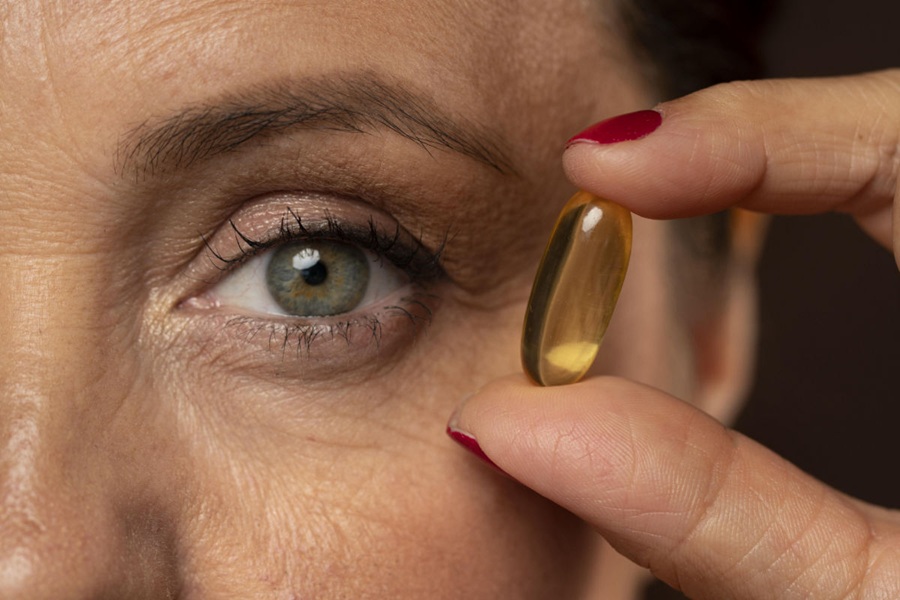
Vitamin A plays an essential role in maintaining good vision, particularly in low-light conditions. It is a key component of rhodopsin, a protein in your eyes that helps you see in dim lighting. Additionally, Vitamin A supports the health of the cornea, which is the outermost layer of the eye.
Dietary Sources of Vitamin A
Animal-based sources: Liver (beef or chicken), eggs, and dairy products like milk and cheese.
Plant-based sources: Orange and yellow vegetables such as carrots, sweet potatoes, and pumpkin. Leafy greens like spinach and kale are also good options.
Benefits for Eye Health
Reduces the risk of night blindness.
Helps maintain overall eye structure and function.
Plays a role in protecting against dry eyes by supporting tear production.
Recommended Daily Allowance (RDA)
The RDA for Vitamin A varies by age and gender: | Age Group | Male (mcg/day) | Female (mcg/day) | |---------------------|----------------|------------------| | 14–18 years | 900 | 700 | | 19+ years | 900 | 700 |
Pregnant or breastfeeding individuals may require adjusted levels; consulting a healthcare professional is advised for personalized recommendations.
Considerations
While Vitamin A is vital for eye health, excessive intake can lead to toxicity, particularly if consumed through supplements rather than food. Symptoms of hypervitaminosis A may include dizziness, nausea, or even more serious effects over time.
For most individuals with a balanced diet that includes fruits, vegetables, and other nutrient-dense foods, meeting daily Vitamin A needs through food alone is achievable without supplementation. However, those with specific medical conditions or dietary restrictions may benefit from discussing their requirements with a healthcare provider.
Vitamin C
Vitamin C, an essential nutrient, plays a significant role in supporting eye health. It is a powerful antioxidant that protects the eyes from damage caused by free radicals. Free radicals are unstable molecules that can lead to oxidative stress, potentially contributing to the development of eye conditions such as cataracts and age-related macular degeneration (AMD). By neutralizing these harmful molecules, vitamin C helps maintain healthy eye tissues.
Benefits of Vitamin C for Eye Health
Antioxidant Protection: Helps combat oxidative stress in the eyes.
Supports Collagen Production: Collagen, a necessary protein for maintaining the structure of the cornea and blood vessels in the eyes, relies on vitamin C for its synthesis.
May Reduce Risk of Cataracts: Research suggests that higher levels of vitamin C may be associated with a lower risk of developing cataracts over time.
Foods Rich in Vitamin C
Food Source | Vitamin C Content (per 100g) |
Oranges | 53 mg |
Strawberries | 59 mg |
Kiwi | 93 mg |
Bell Peppers (Red) | 190 mg |
Broccoli | 89 mg |
Daily Recommendations
The recommended dietary allowance (RDA) for vitamin C varies by age and gender. For adults, it is generally around:
- Men: 90 milligrams per day
- Women: 75 milligrams per day
For smokers or individuals exposed to more oxidative stress, higher intake levels may be beneficial.
Supplementation Considerations
While consuming vitamin-C-rich foods is preferable, supplements can be an option if dietary intake is insufficient. Some considerations include:
1. Look for high-quality supplements from reputable sources to ensure purity and potency.
2. Avoid exceeding tolerable upper intake levels (2,000 milligrams per day for adults) to reduce the risk of side effects like gastrointestinal discomfort.
Including adequate amounts of vitamin C in your diet may help protect your vision over time while supporting overall health. A balanced diet rich in fruits and vegetables remains one of the best strategies for maintaining optimal eye health without relying solely on supplementation.
Lutein and Zeaxanthin
Lutein and zeaxanthin are carotenoids that are essential for maintaining eye health. These naturally occurring antioxidants play a significant role in protecting the eyes from harmful blue light and oxidative stress, which may lead to eye-related issues over time. Both lutein and zeaxanthin are concentrated in the macula, a part of the retina responsible for central vision.
Benefits of Lutein and Zeaxanthin
Protection from Blue Light: These carotenoids filter harmful high-energy blue light, potentially reducing strain and damage to the eyes.
Antioxidant Properties: By neutralizing free radicals, lutein and zeaxanthin help minimize oxidative stress that can contribute to age-related eye conditions.
Support for Macular Health: Studies suggest these nutrients may support macular function, maintaining sharper vision as you age.
Foods Rich in Lutein and Zeaxanthin
Food Category | Examples |
Leafy Greens | Spinach, kale, collard greens |
Vegetables | Broccoli, zucchini, green peas |
Fruits | Oranges, kiwis |
Egg Yolks | Eggs provide a bioavailable source |
Daily Intake Recommendations
There is no established recommended daily allowance (RDA) for lutein and zeaxanthin. However, research suggests that consuming 10 mg of lutein and 2 mg of zeaxanthin daily may benefit eye health.
Considerations for Supplementation
While many people can obtain adequate amounts through food sources alone, supplementation may be helpful in certain cases. For example:
- Individuals with diets low in fruits and vegetables may consider supplements containing these carotenoids. - People experiencing increased exposure to screens or blue light may also find value in supplementing lutein and zeaxanthin.
When considering any supplement regimen, it is important to make informed decisions based on individual dietary needs or professional healthcare guidance if necessary. Opting for products that contain both lutein and zeaxanthin together is typically advised since they work synergistically to protect the eyes.
Lutein and zeaxanthin are vital components in supporting long-term eye health. By including nutrient-rich foods or supplements as needed into your lifestyle, you can take proactive steps toward maintaining optimal vision throughout life.
Lutein and Zeaxanthin
Lutein and zeaxanthin are two carotenoids that play an essential role in supporting eye health. These nutrients are naturally found in the macula, a part of the retina responsible for central vision. They act as antioxidants, protecting the eyes from harmful blue light and oxidative stress caused by free radicals.
Why Lutein and Zeaxanthin are Important
Blue Light Protection: In today’s digital age, prolonged exposure to screens emitting blue light is common. Lutein and zeaxanthin help filter harmful blue light, reducing strain on the eyes.
Antioxidant Properties: These carotenoids neutralize free radicals in eye tissues, which may slow down damage caused by oxidative stress over time.
Support for Macular Health: They contribute to maintaining healthy macular pigment density, which is crucial for clear vision and helps protect against age-related macular degeneration (AMD).
Natural Food Sources of Lutein and Zeaxanthin
Food Item | Lutein & Zeaxanthin Content (per serving) | Other Nutrients Present |
Kale | High | Vitamin K, Vitamin C |
Spinach | High | Iron, Folate |
Egg Yolks | Moderate | Vitamin D, Choline |
Broccoli | Moderate | Vitamin C, Fiber |
Corn | Moderate | Fiber, Antioxidants |
Daily Intake Recommendations
There isn’t a universally agreed daily recommended amount for lutein and zeaxanthin intake; however:
- Research suggests 6–10 mg per day of lutein may be beneficial for individuals aiming to support their eye health. - Consuming a balanced diet rich in leafy greens or incorporating supplements designed for eye health can help achieve these levels.
Supplementation Considerations
If it’s challenging to regularly consume foods high in lutein or zeaxanthin through diet alone, supplementation might be worth considering. Many supplements designed specifically for eye health combine lutein and zeaxanthin with other key vitamins such as vitamin C or zinc to provide comprehensive support.
When choosing a supplement: 1. Look for formulations with at least 6 mg of lutein per serving, as this amount aligns with levels studied in research. 2. Consider combined formulas that also include omega-3 fatty acids or zinc if you want an all-in-one solution tailored to eye health.
Overall, lutein and zeaxanthin stand out as valuable nutrients that can play a meaningful role in reducing oxidative stress on your eyes while promoting long-term visual wellness through both dietary means and supplementation options if necessary.
Lutein and Zeaxanthin
Lutein and zeaxanthin are powerful antioxidants that play a critical role in maintaining eye health. These carotenoids are found naturally in the macula, the central part of the retina responsible for sharp vision, and they help filter high-energy blue light while protecting eye cells from oxidative damage.
Benefits of Lutein and Zeaxanthin
Blue light protection: Both lutein and zeaxanthin absorb excess blue light, reducing potential damage to the retina.
Oxidative stress reduction: Their antioxidant properties help combat oxidative stress, which may contribute to age-related eye conditions.
Macular health support: Higher levels of these compounds in the macula have been associated with better visual performance and may reduce the risk of age-related macular degeneration (AMD).
Food Sources of Lutein and Zeaxanthin
Food Item | Approximate Amount per Serving (mg) |
Kale | 11 mg |
Spinach | 8 mg |
Corn | 2 mg |
Peas | 2 mg |
Broccoli | 1 mg |
Ensuring that leafy greens like spinach or kale appear regularly on your plate can significantly improve your intake of these nutrients.
Considerations for Supplementation
While dietary sources should be prioritized, lutein and zeaxanthin supplements are available for individuals who may struggle to meet their requirements through food alone. These can be especially beneficial for older adults or those at higher risk for eye-related conditions.
When exploring supplements: - Look for products containing both lutein and zeaxanthin since they often work synergistically. - Typical dosages used in studies range from 6–20 mg/day for lutein and up to 4–10 mg/day for zeaxanthin. - Choose brands with transparent labeling regarding purity and ingredient sourcing.
Tips for Optimal Absorption
Since lutein and zeaxanthin are fat-soluble carotenoids, consuming them with healthy fats (such as avocado or olive oil) can enhance absorption. For example, pairing spinach salad with olive oil dressing is both nutritious and beneficial for maximizing nutrient uptake.
Making an effort to include these vital antioxidants through a balanced diet—and potentially supplementing as needed—can go a long way toward supporting long-term eye health.
Zinc
Zinc is an essential mineral that plays a crucial role in maintaining overall health, including the health of your eyes. It is particularly important for supporting various enzymes that help regulate cellular functions and promote optimal vision. Zinc also contributes to the proper functioning of the retina and helps transport vitamin A from the liver to the retina to produce melanin, a protective pigment for your eyes.
Benefits of Zinc for Eye Health
Supports Night Vision: Zinc aids in maintaining healthy night vision by enabling vitamin A to create melanin, which protects the eyes.
May Reduce Risk of Age-Related Macular Degeneration (AMD): Studies suggest that zinc supplementation may slow down the progression of AMD, a common condition that can impair central vision.
Strengthens Retinal Health: Zinc supports enzymes required for retinal health and maintenance.
Recommended Dietary Allowance (RDA) for Zinc
Age Group | Recommended Daily Intake |
Children (4–8 years) | 5 mg |
Adults (Men) | 11 mg |
Adults (Women) | 8 mg |
Pregnant Women | 11 mg |
Breastfeeding Women | 12 mg |
Foods Rich in Zinc
Incorporating zinc-rich foods into your diet can help maintain adequate levels naturally. Some excellent sources include: - Seafood: Oysters are one of the richest natural sources of zinc. Crab and lobster also contain significant amounts. - Meat: Red meat, chicken, and turkey provide good levels of zinc. - Legumes: Chickpeas, lentils, and beans are plant-based sources of zinc. - Seeds and Nuts: Pumpkin seeds, sunflower seeds, cashews, and almonds contribute to daily zinc intake. - Dairy Products: Milk and cheese offer moderate amounts of zinc.
Can You Take Zinc Supplements?
For individuals who may struggle to meet their zinc requirements through diet alone—such as those with dietary restrictions or certain health conditions—zinc supplements may be beneficial. These are available in forms such as zinc gluconate, sulfate, or acetate. However, it’s important to adhere to recommended dosages since excessive intake can lead to side effects like nausea or interference with copper absorption.
Considerations When Supplementing With Zinc
When considering supplementation: - Choose high-quality products from reputable brands. - Avoid exceeding tolerable upper intake levels (40 mg per day for adults), as too much zinc can negatively impact your health.
By ensuring sufficient dietary intake or carefully considering supplementation when necessary, zinc can be an integral part of supporting eye health over time.
Supplementation
When it comes to maintaining eye health, supplementation can be a valuable tool. While a balanced diet rich in nutrients should be the foundation of overall health, supplements may provide additional support for individuals who are unable to meet their nutritional needs through food alone. Below are key considerations regarding supplementation for eye health.
Who Might Benefit From Supplements?
Older Adults: Age-related changes can increase the risk of conditions like macular degeneration or cataracts, and supplementation may help support eye function.
Individuals With Poor Diets: Those who struggle to consume adequate fruits, vegetables, and nutrient-rich foods could look into supplements to bridge nutritional gaps.
People at Risk for Eye Conditions: A family history of certain eye diseases or existing conditions such as dry eyes might indicate the need for specific nutrients.
Common Supplements for Eye Health
Vitamin A: Supports night vision and prevents dry eyes by maintaining the health of the cornea.
Vitamin C: An antioxidant that helps protect the eyes from oxidative stress and supports blood vessels in the eyes.
Vitamin E: Protects cells within the eyes from damage caused by free radicals.
Omega-3 Fatty Acids: May reduce symptoms of dry eyes by supporting tear production and reducing inflammation.
Lutein & Zeaxanthin: Found in high concentrations in the retina, these carotenoids protect against harmful blue light damage and oxidative stress.
Zinc: Plays a crucial role in transporting Vitamin A from the liver to the retina while also supporting overall immune function.
Things to Keep in Mind When Choosing Supplements
Consult a Healthcare Provider: Always discuss supplementation with a qualified healthcare provider, especially if you have specific medical conditions or take medications.
Check Dosages: Excessive amounts of certain vitamins or minerals could have adverse effects. Look for products with appropriate daily value percentages.
Choose High-Quality Products: Opt for supplements from reputable manufacturers that follow good manufacturing practices (GMP).
Lifestyle Overhaul: Supplements should complement—not replace—a nutrient-rich diet that includes vegetables like spinach, kale, carrots, and fish such as salmon or mackerel.
Can You Rely Solely on Supplements?
Eat a well-balanced diet full of antioxidants and essential fatty acids.
Protect your eyes with sunglasses when outdoors.
Take regular breaks during screen time to prevent digital eye strain.
By combining dietary sources with supplements when needed, you’re more likely to achieve lasting support for your vision over time.


© 2026 Memorial Vision - All Rights Reserved - Privacy Policy - Accessibility Statement
Powered by
