
Am I a Qualified Cataract Eye Surgery Candidate?

Am I a Qualified Cataract Eye Surgery Candidate?

Am I a Qualified Cataract Eye Surgery Candidate?

Am I a Qualified Cataract Eye Surgery Candidate?

Am I a Qualified Cataract Eye Surgery Candidate?

Am I a Qualified Cataract Eye Surgery Candidate?

What Is Cataract Eye Surgery
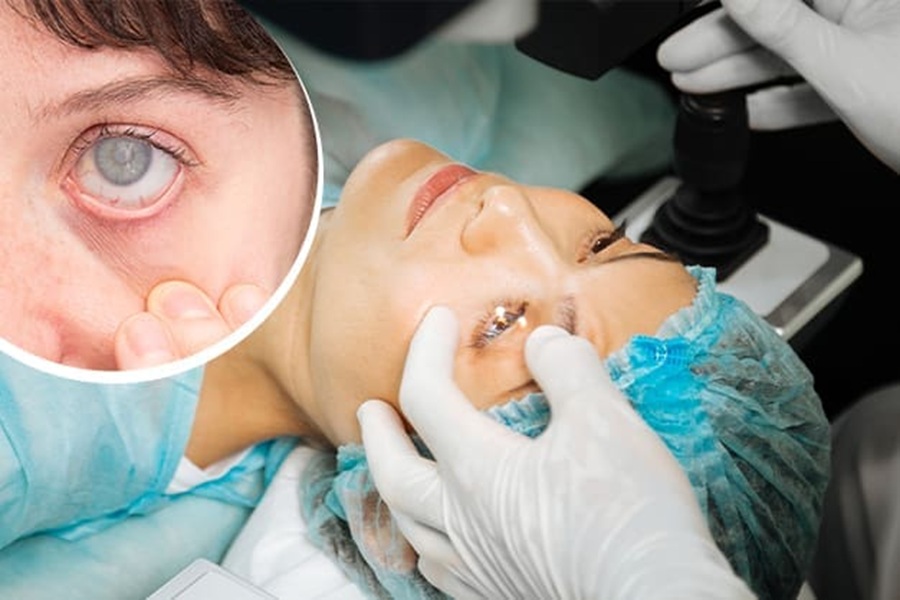
Cataract eye surgery is a medical procedure designed to treat cataracts, which occur when the natural lens of the eye becomes clouded, leading to blurry or impaired vision. This condition can develop gradually over time and is often associated with aging, although it can also result from certain medical conditions, trauma to the eye, or prolonged exposure to ultraviolet light. Cataract surgery aims to restore clear vision by removing the clouded lens and replacing it with an artificial intraocular lens (IOL).
During the procedure, an ophthalmologist makes a small incision in the eye and uses specialized tools to break up and remove the cloudy lens. This process is typically done using a technique called phacoemulsification, where ultrasound waves are used to fragment the cataract for easier removal. Once the natural lens is removed, a synthetic IOL is carefully placed in its position. These lenses come in various types depending on your needs—some correct nearsightedness or farsightedness, while others address astigmatism or offer multifocal capabilities.
Cataract surgery is an outpatient procedure and one of the most common surgeries performed worldwide. It generally takes about 15-30 minutes per eye and rarely requires an overnight stay at a medical facility. It’s worth noting that while cataracts often affect both eyes, surgery is usually done on one eye at a time with sufficient recovery time between procedures.
Technological advancements have made cataract surgery safer and more comfortable than ever before. Modern surgical techniques ensure minimal invasiveness and faster recovery times, making this procedure highly effective for most candidates.
After surgery, patients often experience significant improvements in vision clarity within just a few days. However, full recovery may take several weeks as the eye heals completely. Regular follow-ups with your ophthalmologist are essential during this period to ensure optimal healing and address any concerns that might arise.
Cataract surgery has become an indispensable solution for those living with diminished vision caused by cataracts. By restoring sight safely and effectively through advanced surgical practices, it empowers individuals to regain their independence and enjoy everyday activities without visual impairment holding them back.
Common Signs You May Need Cataract Surgery
Cataracts develop gradually, often making it difficult to recognize the early signs. However, certain symptoms might indicate that cataract surgery could be necessary to restore vision and improve quality of life. Being aware of these signs can help you take timely action and consult an eye care professional when needed.
One of the most noticeable symptoms is blurry or cloudy vision. Cataracts cause proteins in the eye’s natural lens to clump together, creating a foggy area that distorts light as it passes through. This results in a haziness that glasses or contact lenses cannot correct. If you find yourself consistently struggling to see clearly, especially when reading or focusing at a distance, this might be a key indicator.
Sensitivity to light is another common sign linked to cataracts. Many people with cataracts report increased difficulty seeing in bright environments or experiencing glare from lights at night, such as headlights while driving. Halos around light sources may also become more pronounced, further disrupting vision and making nighttime activities particularly challenging.
Colors may begin to appear less vibrant as cataracts progress. You might notice that shades look faded or yellowed over time since the cloudy lens filters and alters how colors are perceived by the eyes.
Frequent changes in your eyeglass or contact lens prescription could also point to developing cataracts. Unlike stable vision changes associated with aging, frequent adjustments signal an irregular shift in your eyesight caused by alterations within the lens due to cataract formation.
If you experience double vision in one eye—known as monocular diplopia—it may stem from light bending unevenly within the affected eye’s lens due to cataracts. This phenomenon can be disorienting and interfere heavily with daily tasks like reading or driving.
Difficulty seeing well at night is another red flag often attributed to advancing cataracts. Reduced contrast sensitivity combined with glare issues makes low-light environments harder to navigate safely, increasing risks during activities like walking outdoors after dark or driving.
Although these symptoms may vary in severity from person to person, experiencing any of them on a consistent basis warrants attention from an ophthalmologist for further evaluation. Early intervention ensures that your condition and its impact on daily life are assessed comprehensively so appropriate treatments can be considered before significant disruption occurs.
Recognizing these signs early not only helps preserve your vision but also empowers you with options for maintaining independence and overall well-being as you age gracefully—even if surgical intervention eventually becomes necessary.
Who Is Considered a Good Candidate for Cataract Surgery
Cataract surgery is an effective and commonly performed procedure designed to restore vision by removing the clouded lens of the eye and replacing it with an artificial one. However, not everyone experiencing vision issues automatically qualifies as a candidate for this surgery. Determining whether you are a good candidate involves a careful evaluation of your eye health, overall health, and the extent to which cataracts are impacting your daily life.
Significant Vision Impairment Due to Cataracts
One of the primary factors that determine candidacy is how much cataracts interfere with your ability to see clearly. You may be considered a good candidate if you frequently experience blurry, cloudy, or dimmed vision that affects essential activities such as reading, driving (especially at night), or recognizing faces. This decision often depends on whether these impairments significantly reduce your quality of life or independence.
Eye Health Requirements
Healthy eyes are crucial for undergoing cataract surgery successfully. If you have additional eye conditions like untreated glaucoma, retinal disorders, or chronic inflammation in the eyes, these might need to be addressed before considering surgery. Your ophthalmologist will evaluate the overall health of your eyes during a comprehensive exam to ensure there aren’t other underlying conditions that could interfere with healing or outcomes.
General Health Considerations
Good overall health is another vital component in determining eligibility for cataract surgery. Certain systemic conditions such as uncontrolled diabetes, autoimmune diseases, or blood-clotting disorders may pose risks during surgery or hinder recovery. While these issues don’t automatically disqualify you from being a candidate, they may require additional medical evaluation and pre-surgical care.
Realistic Expectations About Outcomes
Patients who qualify for cataract surgery should have realistic expectations about what the procedure can achieve. While most people experience significant improvements in vision clarity after surgery, it’s important to understand that some mild refractive errors like astigmatism might still require correction through glasses or contact lenses afterward.
Age Is Less Important Than You Think
Contrary to popular belief, age alone does not determine whether someone is suitable for cataract surgery. Though cataracts tend to develop more commonly in individuals over 60 years old due to aging processes within the lens of the eye, younger individuals can also develop them due to trauma, certain medications, or genetic predisposition. Therefore, candidacy hinges more on individual circumstances rather than age.
Commitment to Aftercare
A good candidate must also be willing and able to follow post-surgery care instructions carefully. Recovery generally includes using prescribed eye drops regularly and avoiding strenuous activities temporarily while healing occurs. Patients who understand the importance of adhering to these recommendations are more likely to experience optimal results after their procedure.
Candidacy for cataract surgery involves more than just having cloudy vision; it requires meeting specific medical criteria and maintaining realistic expectations about outcomes. Consulting with an experienced ophthalmologist ensures you receive personalized guidance tailored specifically to your condition and needs.
Health Factors That Can Affect Eligibility
When determining if cataract surgery is the right step for you, several health factors are carefully considered. While cataract removal is one of the safest and most effective surgical procedures, your overall health and specific eye conditions play a vital role in deciding whether you're an ideal candidate. Understanding these factors can help you better prepare for discussions with your eye care professional.
One of the primary considerations is the presence of any pre-existing eye conditions beyond cataracts. For instance, individuals with advanced glaucoma or severe macular degeneration may not experience significant vision improvement after cataract surgery. In such cases, surgeons will weigh the potential benefits against any risks to ensure that the procedure aligns with realistic expectations for vision outcomes.
Systemic health conditions also play a pivotal role in determining eligibility. Patients with uncontrolled diabetes may face challenges such as slow wound healing or increased risk of post-operative complications. Similarly, autoimmune diseases like rheumatoid arthritis may impact recovery due to inflammation or compromised immune response. It's important to manage these systemic conditions effectively before moving forward with surgery.
Another important factor involves medications that individuals may be taking on a long-term basis. Certain drugs can interfere with post-surgical healing or increase the chances of complications during or after the procedure. For instance, prolonged use of corticosteroids can affect wound healing and increase susceptibility to infections. Your surgeon will review your medication history comprehensively to identify and mitigate any potential concerns.
Age itself is generally not a limiting factor for cataract surgery; however, frailty associated with advanced age or coexisting medical issues might pose challenges during surgery or recovery. It's not uncommon for older adults to have other underlying health issues that must be factored into pre-surgical planning.
In addition to physical health, mental health plays a crucial role as well. Cognitive conditions such as advanced dementia could complicate the patient’s ability to cooperate during evaluations or understand post-operative care instructions fully.
Finally, eye surgeons assess whether patients are able to lie still comfortably during surgery and follow necessary pre- and post-operative instructions effectively. For example, those who struggle due to musculoskeletal issues (like severe arthritis) or anxiety may require additional assistance and individualized care plans to make their surgical experience smoother.
If you're considering cataract surgery but have existing health concerns, it's essential to discuss all aspects of your medical history thoroughly with your ophthalmologist. By addressing these factors early on, both you and your surgeon can work together toward achieving optimal outcomes while ensuring your safety remains a priority at every step of the process.
What to Expect During a Cataract Evaluation
A cataract evaluation is a critical step in determining whether cataract surgery is the right option for you. This comprehensive process allows your eye care specialist to assess the severity of your cataracts, examine your overall eye health, and evaluate whether surgery will improve your vision and quality of life. Understanding what happens during this appointment can help ease any anxiety and prepare you for the next steps.
During a cataract evaluation, the initial focus is on gathering detailed information about your vision and medical history. You’ll be asked about any symptoms you might be experiencing, such as blurry or cloudy vision, difficulty seeing at night, or increased sensitivity to light. Your doctor will also inquire about any past eye conditions, surgeries, or general health issues that might impact the success of cataract surgery. Conditions like diabetes or high blood pressure can play a role in determining whether you’re an ideal candidate.
The physical examination begins with a series of diagnostic tests designed to measure various aspects of your eye health. A visual acuity test will check how well you're able to see at different distances by asking you to read from an eye chart. This helps establish the extent to which cataracts have affected your vision.
Another key test commonly performed during a cataract evaluation is slit-lamp examination. Using this specialized microscope with intense light, your doctor can closely examine the structures in the front part of your eye, including the cornea, iris, and lens. This test enables them to identify any abnormalities or damage that might require attention before proceeding with surgery.
Pupil dilation is often necessary during this appointment to allow for an in-depth look at the retina and optic nerve located at the back of the eye. Eye drops are used to dilate (widen) your pupils temporarily so that these deeper structures can be examined for signs of damage or disease unrelated to cataracts but still important for surgical planning.
In some cases, additional imaging tests may be conducted to measure specific details about your eyes. For instance, ultrasound imaging may be used to determine the exact size and shape of your eye to help select the most appropriate artificial intraocular lens (IOL). Other advanced tests may assess corneal thickness or identify astigmatism that could influence lens choice.
Your doctor will also discuss treatment options tailored specifically for you based on these findings. If you’re eligible for surgery, they’ll explain various types of intraocular lenses available—ranging from monofocal lenses providing clear vision at one distance to multifocal or toric lenses designed for correcting presbyopia or astigmatism simultaneously.
Finally, feel free during this time to ask questions about what comes next if surgery is recommended. Addressing concerns like downtime following surgery or potential side effects ensures that you're fully informed before making decisions about moving forward with treatment plans tailored just for you.
Preparing for Your Cataract Surgery Consultation
Preparing for your cataract surgery consultation is an essential step in ensuring a smooth and productive discussion with your eye care provider. This initial meeting allows your ophthalmologist to assess the condition of your eyes, explain the procedure in detail, and determine whether you are an ideal candidate for surgery. To make the most of this appointment, there are several key steps you can take beforehand to feel informed and confident.
Gather Your Medical History
Before your consultation, it’s important to compile a detailed overview of your medical history. Your ophthalmologist will need to know about any prior surgeries, medical conditions, or chronic health issues such as diabetes or hypertension that could influence your candidacy for cataract surgery. Additionally, be prepared to share information about any medications or supplements you are currently taking since some may interfere with the procedure or recovery process.
Write Down Symptoms and Questions
Take time prior to the appointment to reflect on how cataracts have impacted your daily life. Are you struggling with blurred vision while reading? Has driving at night become more challenging due to increased glare? Writing down specific symptoms can help guide the conversation with your doctor. Similarly, prepare a list of questions about cataract surgery itself. For instance, you may want more clarity on recovery time, lens options, or follow-up care.
Understand Vision Goals
During the consultation, you'll likely discuss intraocular lens (IOL) options that replace the clouded natural lens removed during cataract surgery. These lenses vary based on their ability to correct issues like nearsightedness or astigmatism. Thinking ahead about your vision needs—whether it's reducing dependency on glasses or improving night vision—can help ensure that you and your doctor choose a solution tailored specifically for you.
Arrange Transportation Ahead of Time
If you're scheduled for certain diagnostic tests during this visit—such as pupil dilation—you may experience temporary blurry vision afterward. It’s prudent to plan ahead by arranging transportation both to and from the appointment so that you don’t have to drive under impaired conditions.
Follow Pre-Appointment Instructions
Your ophthalmologist’s office might provide instructions specific to preparing for diagnostic tests during the consultation. For example, they may ask you not to wear contact lenses leading up to the visit or refrain from applying eye makeup on testing day. Following these guidelines ensures accurate test results and streamlines the evaluation process.
By arriving prepared and organized for your cataract surgery consultation, you'll not only make effective use of time but also feel reassured in taking this significant step toward restoring clear vision.
Preparing for Your Cataract Surgery Consultation
Getting ready for a cataract surgery consultation is an essential step toward reclaiming clear vision and improving your quality of life. This process not only helps determine your eligibility but also ensures you’re fully informed about the procedure and what to expect. Proper preparation allows you to make the most of your appointment, addressing concerns and clarifying any doubts with your eye care specialist. Here's how you can prepare effectively for this important meeting.
Organize Your Medical History
Before your consultation, gather details about your medical history, including current and past conditions, medications, allergies, and prior surgeries. This information will help the ophthalmologist assess whether cataract surgery is safe for you or if adjustments need to be made in planning the procedure. If you have underlying conditions such as diabetes or glaucoma, it’s especially important to share these details since they could impact surgical outcomes or recovery.
Bring a List of Questions
To make sure all your concerns are addressed during the consultation, write down a list of questions beforehand. Common topics to discuss include the type of lens implants available (such as monofocal or multifocal lenses), recovery timeframes, potential side effects, and how long-lasting the results are likely to be. Speaking up during this meeting ensures that you're fully informed before making decisions about moving forward with surgery.
Prepare Your Vision-Related Symptoms
Be ready to explain how cataracts are affecting your daily life. Sharing specific examples—such as difficulty driving at night due to glare or trouble reading small print—can help your surgeon understand the severity of your condition. This also assists them in tailoring treatment recommendations based on your visual needs and lifestyle preferences.
Follow Instructions from Your Surgeon
Your ophthalmologist may provide pre-consultation instructions, such as refraining from wearing contact lenses prior to eye measurements or undergoing specific tests at home (like monitoring blood sugar levels). Following these instructions closely ensures accurate assessments during the visit.
Bring a Supportive Companion
Consider bringing a family member or close friend with you to the appointment, especially if you're feeling apprehensive about discussing surgery. Having someone else present can help you retain information shared by the surgeon and provide emotional support as you navigate decisions related to treatment.
Understand Insurance Coverage
Cataract surgery is often covered by insurance plans due to its necessity in improving vision affected by clouded lenses. However, coverage may vary depending on policy details and whether premium lens options are chosen. Check with both your insurance provider and eye care clinic regarding costs that may arise during or after surgery so that there are no surprises later on.
With thoughtful preparation for this consultation, you'll feel empowered in taking steps toward clearer vision while reducing stress around unknowns associated with cataract surgery. This preparation phase is an opportunity not only for assessment but also for building trust with your surgeon as they guide you through every aspect of care tailored specifically for you.


© 2026 Memorial Vision - All Rights Reserved - Privacy Policy - Accessibility Statement
Powered by
